In brief
- The plan brings together Mistral Large 4 and physics AI with NVIDIA CUDA-X, Warp, and Omniverse.
- The proposed shared workflow covers design, simulation, and AI training.
- The companies plan to publish open benchmarks and datasets for AI agents working with physics models and engineering software.
- An open-weight version of Mistral Large 4 is planned for release at the end of October.
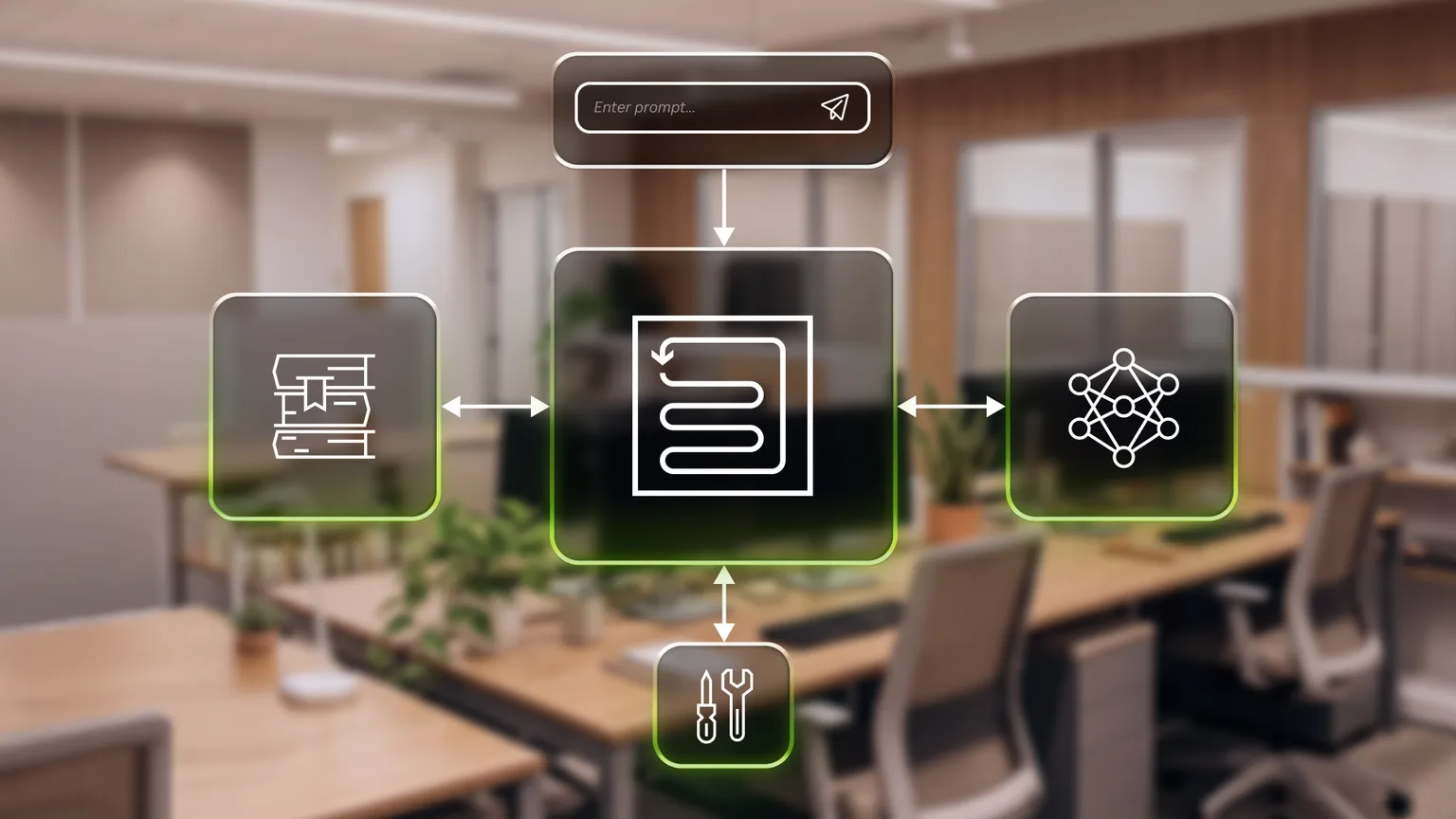
Mistral and NVIDIA aim to bring physics AI together with engineering simulations under a collaboration plan announced on 21 October 2026. According to The Decoder, citing Mistral’s announcement, Mistral Large 4 and the company’s physics AI will be used alongside NVIDIA’s CUDA-X and Warp software libraries and Omniverse 3D simulation tools. The goal is to bring design, simulation, and AI training together in a shared workflow.
What does the collaboration include?
The companies also plan to publish public benchmarks and datasets for evaluating physics models and AI agents that work with engineering software. The announcement does not say when these resources will be released, which tasks they will cover, or how the tests will be conducted. For now, then, what has been announced is not a finished product or a ready-to-use simulation tool, but a collaboration goal and plans for accompanying evaluation resources.
The approach described by Mistral and NVIDIA aims to strengthen the connection between design, physics-based simulation, and AI training. However, they have not specified which software will be directly supported, how users will set up the workflow, or what licensing terms will apply to the tools.
Which industries are mentioned?
Aerospace, automotive, and semiconductors are among the industries cited as potential beneficiaries of the collaboration. These examples indicate that the announcement is primarily focused on industrial product design and engineering simulations. No specific functionality for architecture, interior design, or archviz has been announced; any potential contribution to these fields will depend on technical implementation details that emerge later.
Once the open benchmarks and datasets are published, it may be possible to compare the performance of agents using physics models and engineering software. But the source does not provide benchmark criteria or explain how results will be reported. As a result, it is not yet clear how useful the planned resources will be for real-world project decisions.
What has been disclosed about Mistral Large 4?
The report says Mistral Large 4 has approximately one trillion parameters and was trained in Europe using 3,800 Grace Blackwell GPUs. An open-weight version of the model is planned for release in late October; no exact release date has been given. These details provide information about the model’s scale and training process, but do not by themselves indicate how well it performs on specific simulation tasks.
Mistral and NVIDIA have previously worked together on Mistral NeMo. The two companies are also working on an open foundation model through the Nemotron Coalition. The report also notes Mistral’s goal of increasing its computing capacity to one gigawatt by 2030. These initiatives show how the collaboration fits into broader model and compute efforts, but do not clarify when the new simulation workflow will become available.
What does this mean for architecture and archviz teams?
For architecture firms, interior designers, and visualization teams, the announcement does not yet offer a directly usable feature. The goal of bringing physics-based simulation and design steps into the same workflow is worth watching for projects involving engineering calculations. But no specific application for architectural design, building performance, or visualization has been announced, so it would be premature to conclude that the collaboration will immediately improve existing production workflows.
Before considering a potential transition, teams will need details on hardware requirements, licensing terms, and compatibility with the software they use. Those details have not yet been provided. Once the planned benchmarks are published, results on comparable tasks could offer a more concrete basis for assessing the tools’ real-world value.
Sources
1 sourceSource texts are not republished; short quotes are marked, everything else is our own summary and commentary.
For architecture and visualization teams in Turkey, this announcement is less a new tool they can use today than a sign that the links between design, physics simulation, and AI may grow stronger. It makes sense to follow developments for projects involving engineering calculations, but no use case specific to architecture or archviz has been demonstrated yet.
Open-weight model availability alone does not mean low costs or easy setup. There is no need to rush into changing workflows before hardware, licensing, and compatibility requirements are disclosed. The planned benchmarks could provide a firmer basis for measuring concrete benefits.
Frequently asked questions
Which tools are being brought together in the Mistral and NVIDIA collaboration?
The plan combines Mistral Large 4 and Mistral’s physics AI with NVIDIA CUDA-X, Warp, and Omniverse. The goal is to bring design, simulation, and AI training together in a shared workflow.
Does the collaboration offer specific features for architecture and archviz?
The report does not announce any features specifically for architecture or archviz. The announcement names aerospace, automotive, and semiconductors among the potential application areas.
When will Mistral Large 4 be released?
An open-weight version is planned for release in late October. No exact release date has been given.