In brief
- TPU 8tx targets confidential computing workloads, aiming to protect data and model weights during processing.
- TPU 8i Max combines two TPU 8i chips in a single package, delivering twice the compute, memory, and memory bandwidth in the same rack form factor.
- Neither system is a new chip generation; both are different hardware configurations built around existing processors.
- Google released TorchTPU as open source and says it supports PyTorch, as well as vLLM and SGLang.
On November 9, 2026, Google announced two additions to its eighth-generation TPU family: TPU 8tx, focused on working with sensitive data, and TPU 8i Max, designed for memory-intensive workloads. The company, which is expanding its AI accelerator portfolio for different use cases, says it has shipped four TPU systems in a year.
Not a new chip generation, but different system configurations
TPU 8tx and TPU 8i Max are not built on a new chip generation. Both systems rely on different packaging, networking, and memory arrangements centered around existing processors. This creates hardware options for different workloads using the same processor foundation.
This distinction matters when assessing the scope of the announcement: rather than introducing a new chip generation, Google is expanding the system configurations in its TPU family. The company says its modular approach lets it offer new hardware options within months. However, the source does not disclose product pricing, availability dates, or access conditions.
TPU 8tx aims to protect data during processing
TPU 8tx is positioned for companies and government agencies handling sensitive data. According to Google, the system aims to provide protection and isolation while data and model weights are being used in processing. Rather than relying solely on encryption at rest and in transit, this approach focuses on security during computation.
The system uses Boardfly, Google’s network designed for real-time inference. The company says latency can be reduced by up to two times compared with TPU 8t. Google also lists use cases such as fine-tuning models on a single system without moving sensitive data between different clusters, distilling large models into smaller ones, and training AI agents with reinforcement learning. These are use cases and performance claims stated by the manufacturer.
TPU 8i Max targets memory bottlenecks
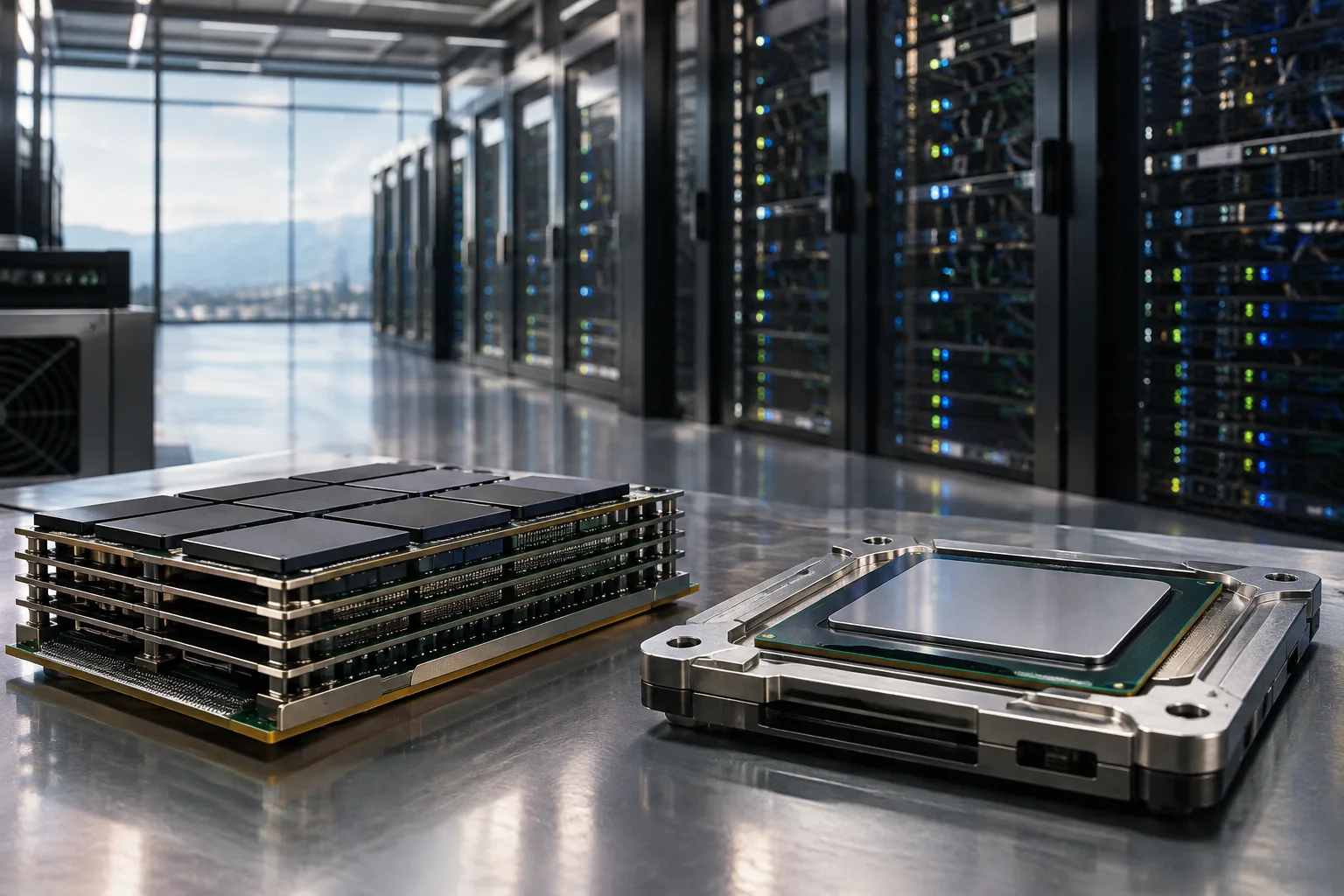
TPU 8i Max combines two TPU 8i chips in a single package. According to Google, this design doubles compute, memory, and memory bandwidth in the same rack form factor. The company points to the memory requirements of AI agents processing large codebases or videos lasting hours as problems the system is designed to address.
Google is also working to broaden software access alongside the hardware, releasing TorchTPU as open source. The company aims to let PyTorch code run on TPUs with minimal changes using the tool. It also says inference frameworks vLLM and SGLang are supported. According to Google, the number of external customers using TPUs is approaching 100.
What does this mean for architecture and visualization workflows?
These systems are not modeling or rendering tools; they are data center hardware for running AI models. Their potential impact on architecture firms, interior designers, and visualization teams concerns the computing options behind the AI services they use. Organizations working with sensitive project data may pay attention to TPU 8tx’s approach to protection during processing, while service providers running memory-intensive models may look at TPU 8i Max’s configuration.
That said, the announcement provides no information about use in local workstations, direct compatibility with architectural software, licensing, or cost. As a result, there is not enough information for teams to decide whether to replace their current workstations. For those using cloud- or data center-based AI services, it makes more sense to follow developments until access terms, compatibility with their software, and total cost become clear.
Sources
1 sourceSource texts are not republished; short quotes are marked, everything else is our own summary and commentary.
Google’s move to offer systems around the same TPU foundation, each targeting different bottlenecks, highlights the importance of workload-specific options in AI infrastructure. TPU 8tx’s claim of protection during processing is noteworthy for organizations handling sensitive project data, but it is too early to make a decision before access terms and performance on real workloads are clear.
For architecture and visualization firms in Turkey, this announcement does not mean they should upgrade their workstations. The key points to watch are how to access TPUs, the total cost of use, licensing, and compatibility with existing software pipelines. Until those details are announced, the practical benefits may be limited to the AI services used by teams that offer access to this hardware.
Frequently asked questions
What is Google TPU 8tx designed for?
TPU 8tx is designed for confidential computing workloads at companies and government agencies handling sensitive data. Google says it aims to protect data and model weights during processing.
How does TPU 8i Max differ from TPU 8i?
TPU 8i Max uses two TPU 8i chips in a single package. According to Google, it doubles compute, memory, and memory bandwidth in the same rack form factor.
Which software does TorchTPU support?
With open-source TorchTPU, Google aims to let PyTorch code run on TPUs with minimal changes. The company also says it supports vLLM and SGLang.