In brief
- ThinkSystem SC755 was unveiled as a dual-socket server with Neptune liquid cooling.
- Lenovo says the SC755 can deliver up to 40% higher sustained performance than comparable air-cooled systems.
- ThinkSystem SR755 is designed for workloads such as virtualization, engineering, financial modeling, and electronic design automation.
- The announcement also included DE6800 and DE6500 storage systems, plus deployment and optimization services for AI infrastructure.
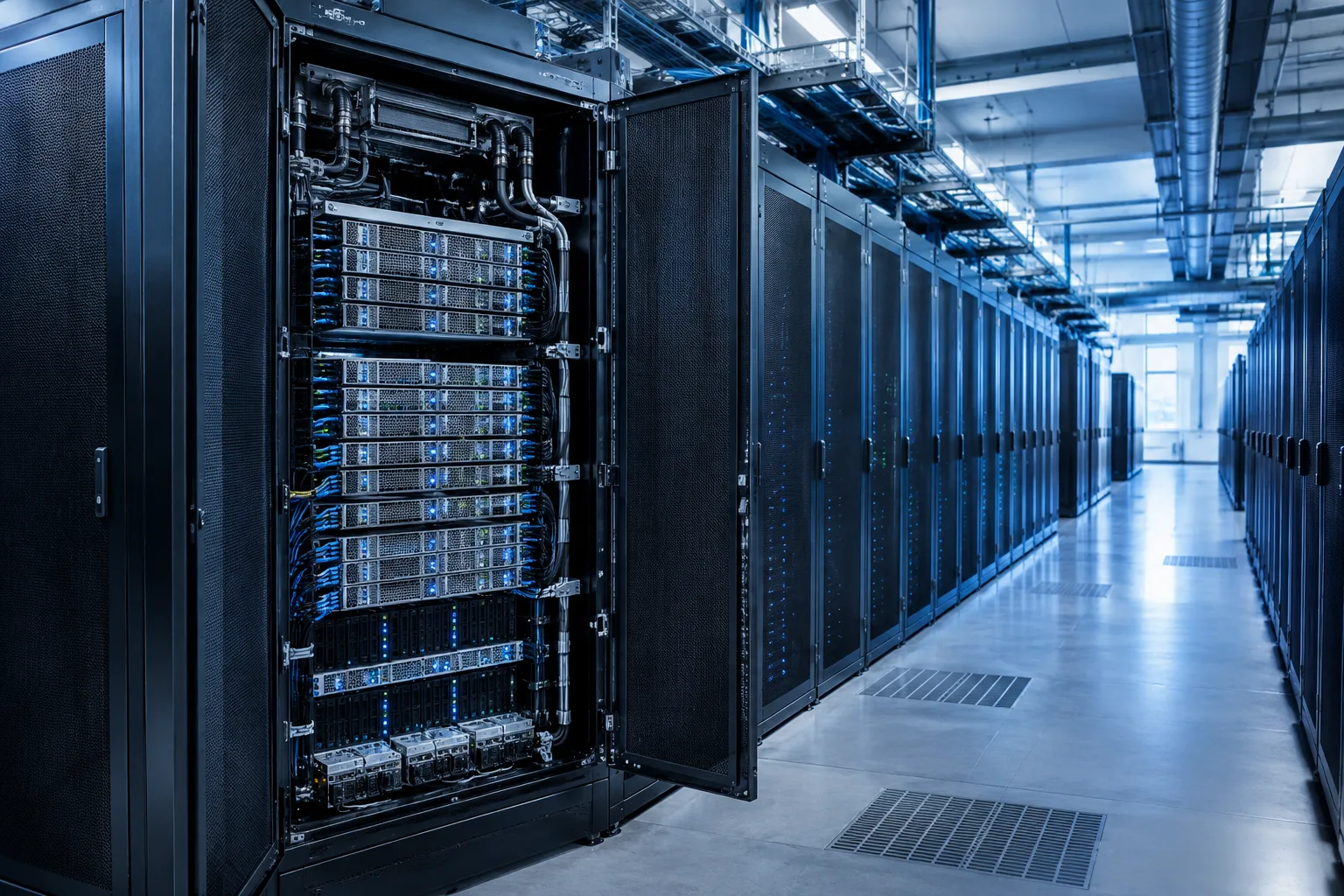
On 10 November 2026, Lenovo announced new ThinkSystem servers powered by 6th Gen AMD EPYC 9006 SP7 processors, storage systems, and services for AI infrastructure. The products and services are aimed at helping organizations deploy and scale artificial intelligence and high-performance computing (HPC) workloads. The announcement did not specify product pricing or availability dates.
What workloads are the new servers designed for?
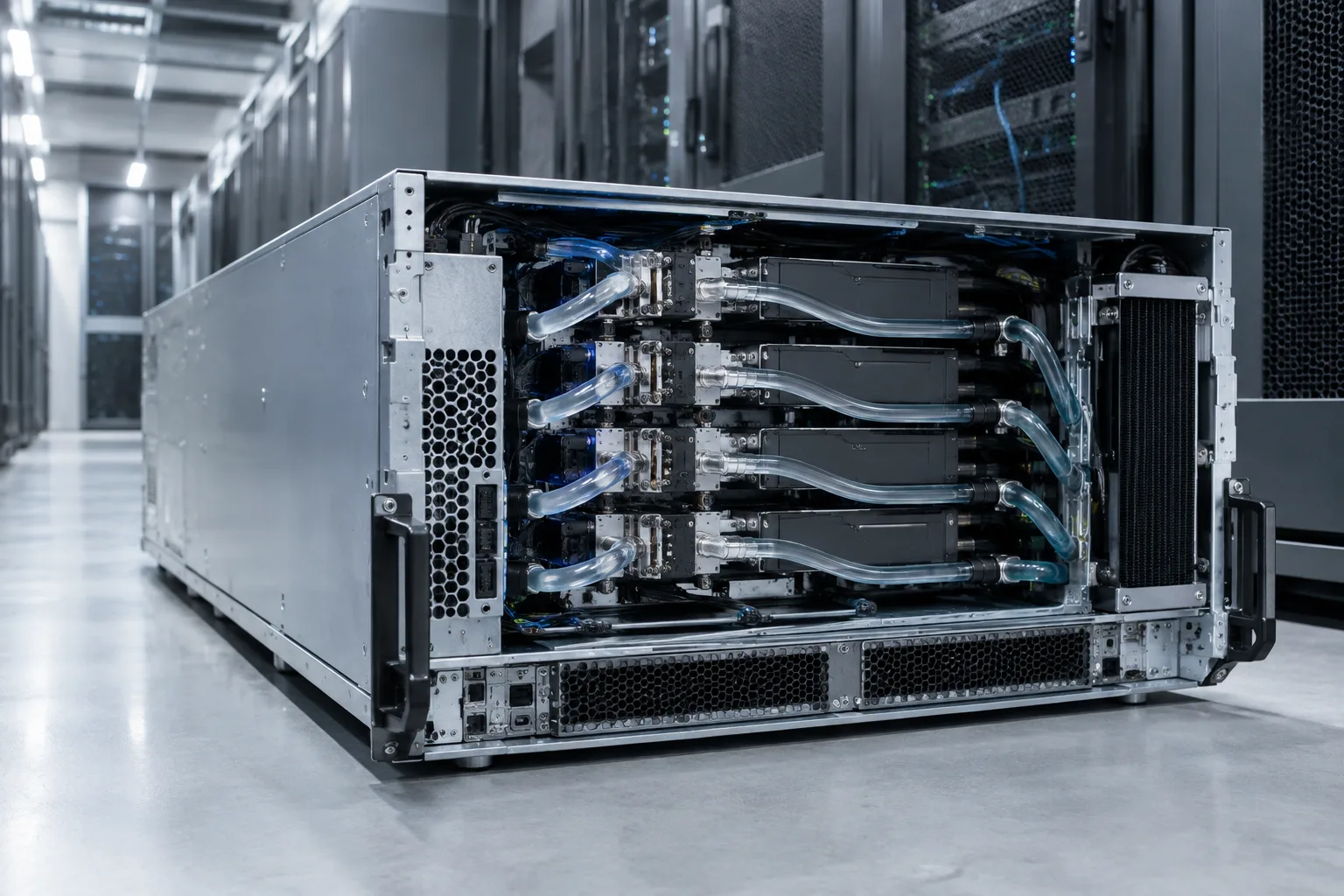
ThinkSystem SC755 stands out for its dual-socket design and Lenovo Neptune liquid cooling. Lenovo says the system can remove up to 100% of heat through water and deliver up to 40% higher sustained performance than comparable air-cooled systems. These figures are based on the manufacturer’s statements; the announcement did not provide detailed test conditions for the comparison.
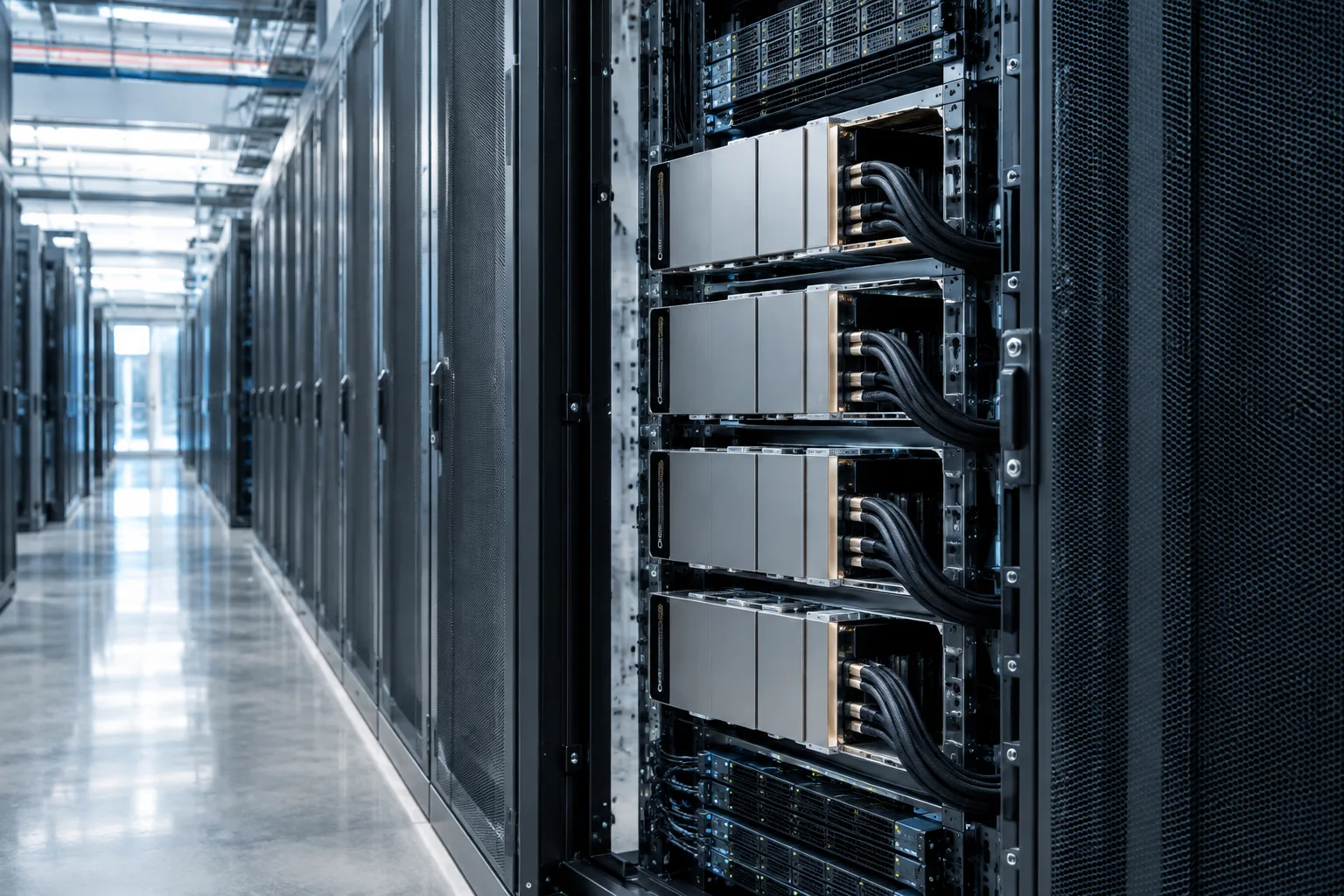
ThinkSystem SR755 is positioned for enterprise workloads that require high compute density and memory bandwidth. Lenovo lists large-scale virtualization, engineering, financial modeling, electronic design automation, and agentic AI infrastructure among its use cases. The company says the system aims to offer lower power consumption and better economics than dual-socket configurations.
The announcement also introduced Lenovo Dynamic Partitioning. The feature is intended to allocate compute resources more flexibly across workloads; according to Lenovo, it enables two dual-socket systems to be converted into single-socket systems and then switched back to dual-socket configurations.
What storage and connectivity options are available?
ThinkSystem DE6800 and DE6500 are designed for block workloads that require high throughput and low latency. Lenovo highlights the DE6800 for applications that need high throughput, while describing the DE6500 as a more cost-effective high-performance option with a simplified approach to deployment and management.
Lenovo’s announcement also includes validation work for Cornelis CN5000 connectivity infrastructure. The company presents this connectivity option as an alternative that can help reduce bottlenecks in AI and HPC environments with heavy data movement. Detailed hardware configurations and product pricing were not disclosed.
What services will be available for AI infrastructure?
Lenovo says it has expanded its GPU deployment, configuration, and optimization services for hybrid AI factories. For multi-node support, the announcement mentions Red Hat AI Enterprise, NVIDIA AI Enterprise, and NVIDIA Run:ai options. According to the company, these services are intended to help organizations deploy, manage, and scale AI environments.
For large-scale deployments, Lenovo says it will offer deployment and cluster validation support drawing on NVIDIA Infrastructure Services expertise. Services announced for organizations that need additional data center capacity also include access to Digital Realty colocation facilities and the option to validate infrastructure, applications, and workload requirements in the Digital Realty Innovation Lab environment.
Impact on architecture and visualization workflows
These products are servers for enterprise AI and HPC infrastructure, not desktop workstations for individual artists. For architecture firms, interior designers, and visualization teams, their potential use is therefore more likely to involve engineering or AI workloads running on centralized server infrastructure than replacing a single workstation. The engineering and virtualization use cases Lenovo lists for the SR755 reflect this enterprise focus.
Teams evaluating these systems should consider their workloads, resource allocation needs, and cooling requirements alongside the available product configurations. The announcement does not provide information about compatibility with architecture software, detailed hardware options, or software licensing terms. Lenovo will need to provide further information on these points before an investment decision can be made.
Sources
1 sourceSource texts are not republished; short quotes are marked, everything else is our own summary and commentary.
Lenovo’s announcement is more relevant to teams building enterprise-scale AI and HPC capacity than to users looking for individual visualization computers. For firms planning centralized engineering workloads or AI infrastructure, the combined offering of servers, storage, connectivity, and deployment services may be worth considering.
In Turkey, decision-makers should clarify the overall hardware configuration, cooling requirements, software licenses, and sales terms, in addition to reviewing the performance claims. Since pricing, detailed configurations, and compatibility with architecture software have not been disclosed, the announcement alone is not enough to build an investment case.
Frequently asked questions
Which processors power the Lenovo ThinkSystem servers?
The newly announced ThinkSystem servers are powered by 6th Gen AMD EPYC 9006 SP7 processors.
What performance claim has Lenovo made for ThinkSystem SC755?
Lenovo says the SC755 can deliver up to 40% higher sustained performance than comparable air-cooled systems.
Has Lenovo announced pricing for the new ThinkSystem servers?
No. The announcement did not include server pricing or availability dates.