In brief
- Istanbul Airport City won in the Smart Cities category at WAFX 2026.
- Urban Habitat was recognized in the Carbon, Energy & Climate category.
- Both projects were recognized at the WAFX Awards, held as part of the World Architecture Festival.
- Mental Design Works was founded by architect Salih Çıkman.
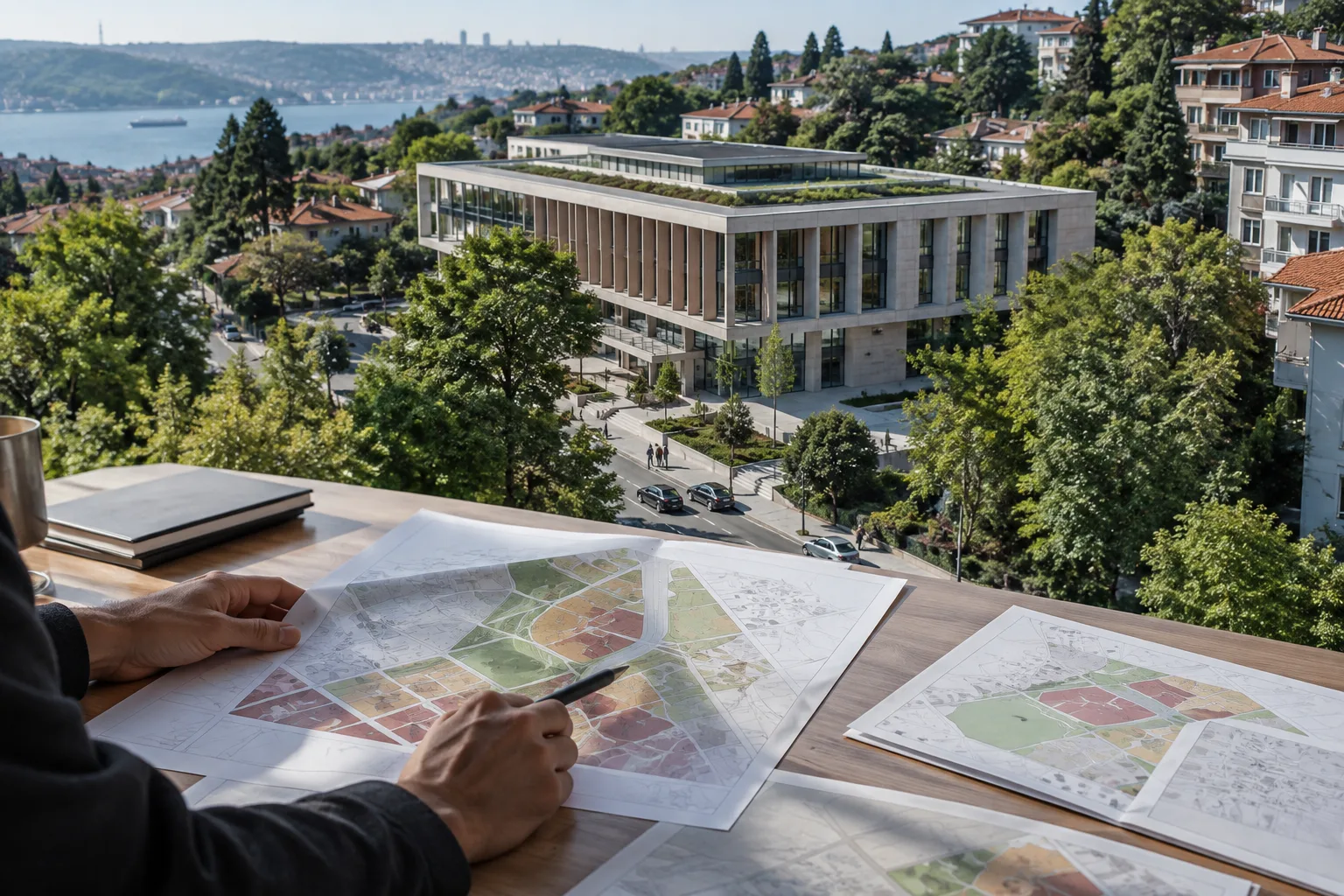
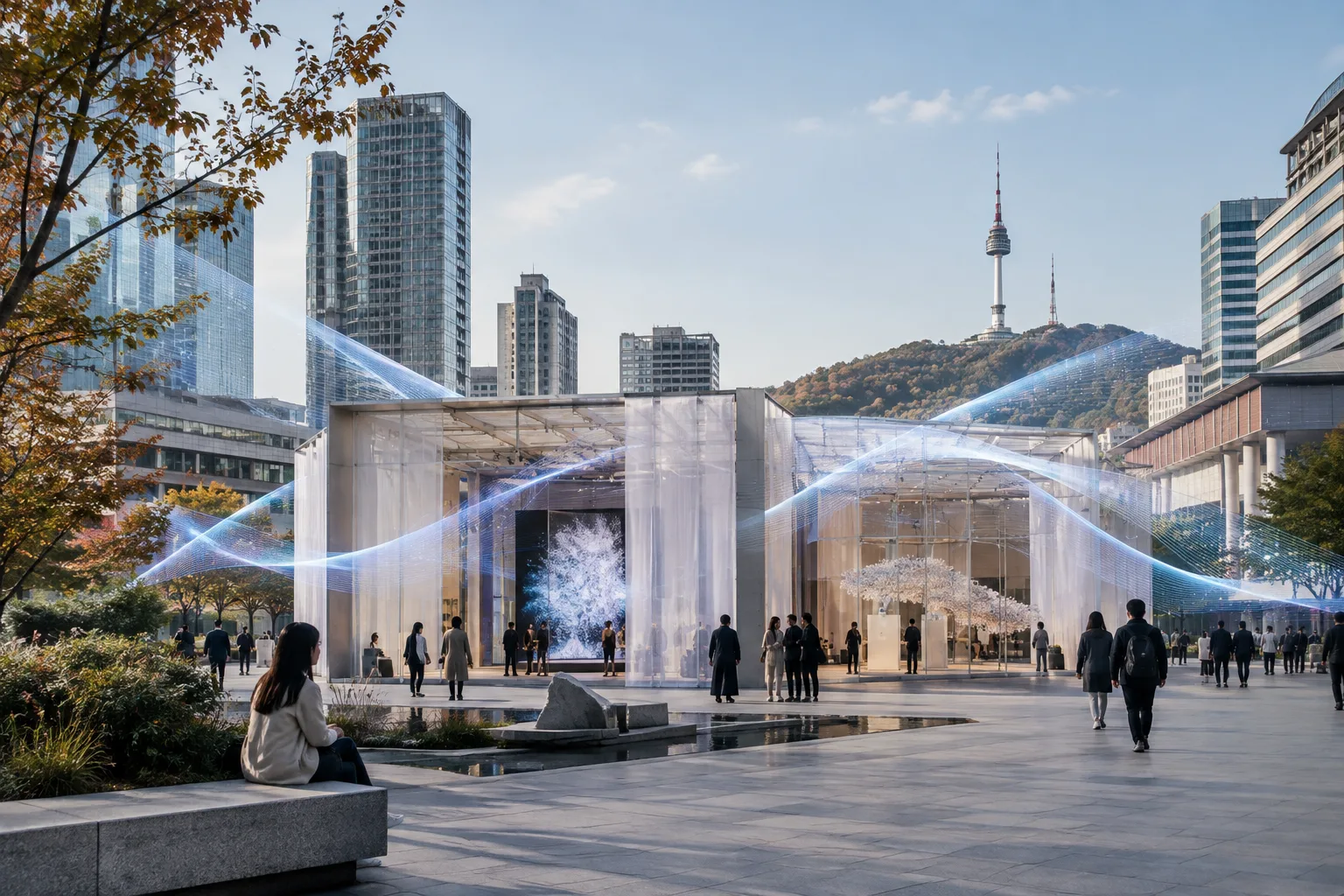
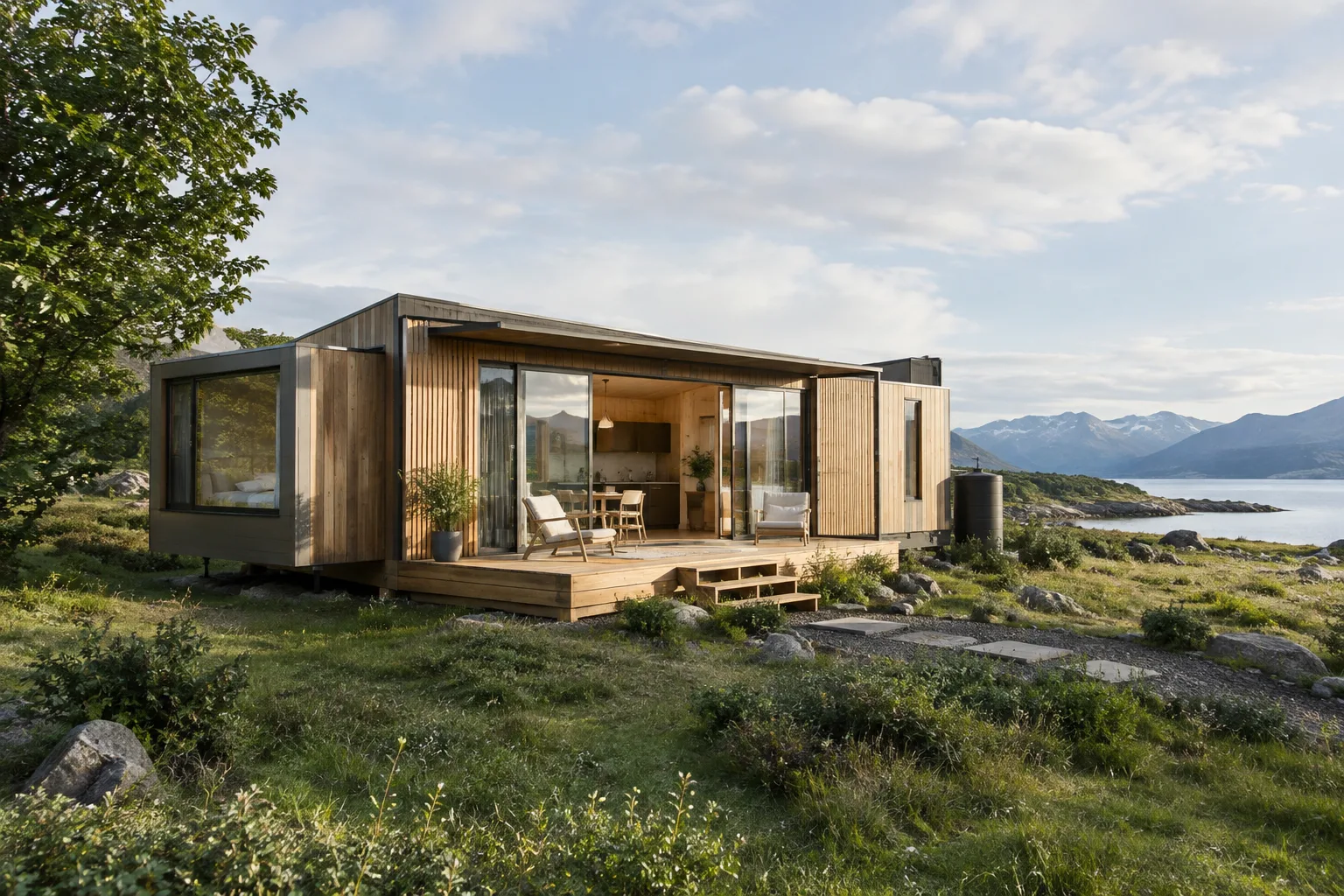
Mental Design Works (MDW), led by architect Salih Çıkman, won two awards at the WAFX Awards 2026, held as part of the World Architecture Festival (WAF). According to a report published by Yapı Dergisi on 26 November 2026, Istanbul Airport City, a proposal for the area around Istanbul Airport, was recognized in the “Smart Cities” category, while Urban Habitat, a residential project in Ataşehir, won in the “Carbon, Energy & Climate” category. The two projects address different design challenges: one at the urban-planning scale and the other at the residential scale.
Istanbul Airport City: everyday life around an airport
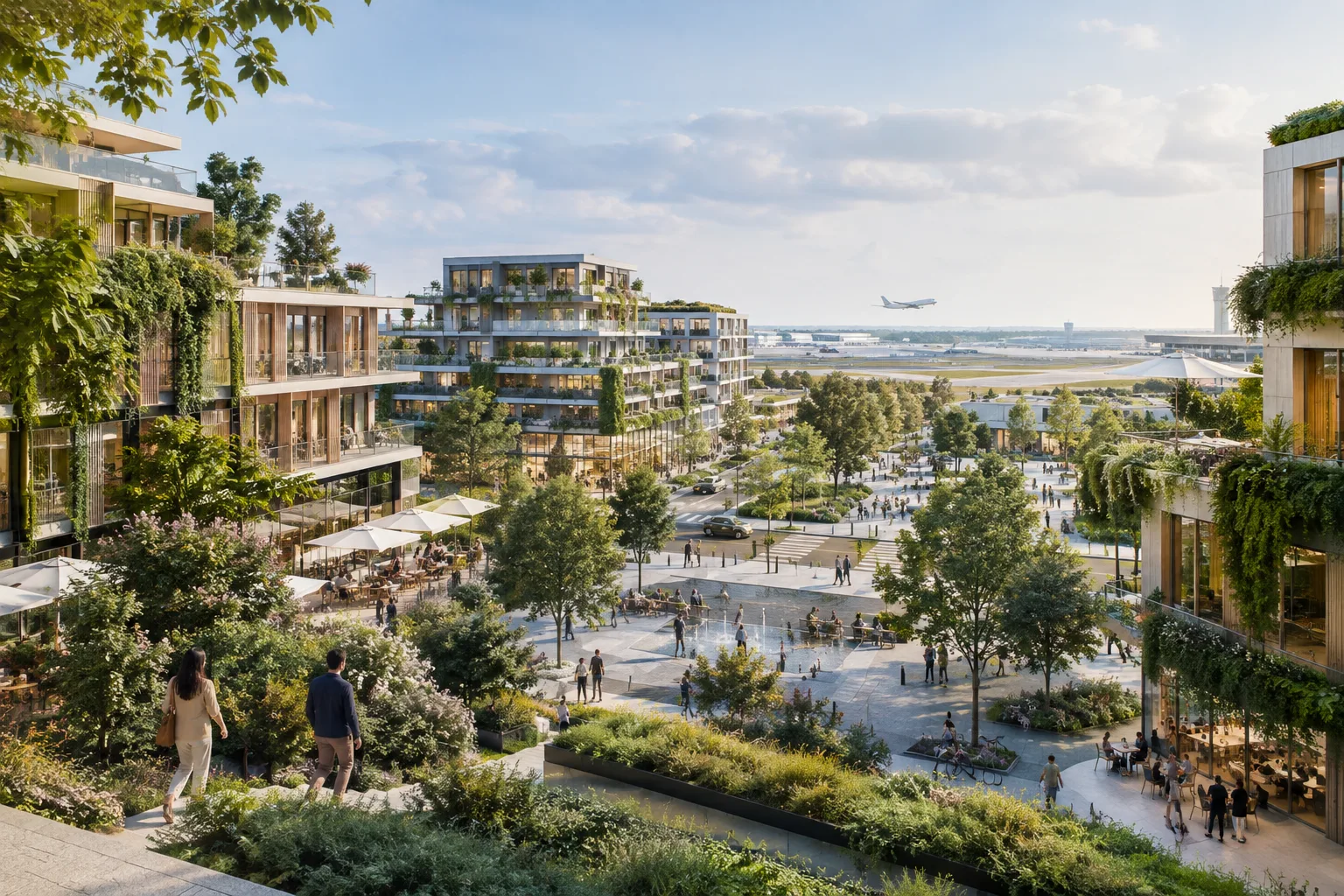
Winner of the Smart Cities award, Istanbul Airport City looks beyond transport infrastructure in its approach to development around the airport. MDW’s masterplan proposal aims to create an urban framework that brings together housing, commerce, technology, research, logistics and tourism. Public life is also described as part of this vision.
The project emphasizes access to daily needs, pedestrian movement and open spaces. Designing streets and squares around people’s everyday use offers an approach to airport-area planning that is not limited to vehicle flows and logistics requirements. Green spaces are also intended to be integrated into the settlement plan. In this way, Istanbul Airport City treats its different functions not as disconnected zones, but as parts of an interconnected urban system.
Urban Habitat: resource cycles in residential design
Winner in the Carbon, Energy & Climate category, Urban Habitat focuses on the relationship between housing and natural processes in Ataşehir’s densely built environment. Green spaces are conceived not as decorative additions, but as elements that contribute to how the project functions. The approach proposes a residential model that aims to connect people with nature in an urban setting.
Solutions MDW has outlined for the project include growing areas on terraces, rainwater collection, greywater reuse and composting. Self-sustaining micro-ecosystems are also listed as part of the design. Planting across every floor is intended to support biodiversity. Residents are considered not only users of these systems, but members of a community who can take part in production and sharing.
What the projects mean for architecture and visualization teams
The two awards may serve as references for architecture and interior design teams exploring design ideas at different scales. Istanbul Airport City offers an example of how functions and public spaces can be connected at the planning scale, while Urban Habitat shows how issues such as planting and water management can be incorporated into residential design. This assessment does not mean that the projects have been built or achieved specific performance outcomes.
When communicating similar design ideas, archviz teams could consider making not just the building massing visible, but also how open spaces are used and how green systems fit into the design. However, the report does not share the projects’ implementation schedules, measured environmental performance, software used or production processes. It also provides no information about hardware requirements, licensing terms or software compatibility. The awards should therefore be understood in terms of the design approaches presented; technical implementation details should be verified separately.
Sources
1 sourceSource texts are not republished; short quotes are marked, everything else is our own summary and commentary.
The two awards highlight how urban-scale planning and a residential-scale environmental approach can be recognized in different categories within the same firm’s portfolio. For architecture firms and visualization teams in Turkey, the projects can prompt discussion about the role of public spaces and resource cycles in design communication.
However, an award alone does not show that a project has been built or that its intended environmental impacts have been measured. Since implementation status, technical data and the tools used for visualization production have not been disclosed, teams cannot infer a comparable workflow or hardware and licensing requirements from this report. Those details will need to be awaited.
Frequently asked questions
Which awards did Mental Design Works receive at the WAFX Awards 2026?
Istanbul Airport City was recognized in the Smart Cities category, while Urban Habitat won in the Carbon, Energy & Climate category.
What environmental solutions are included in the Urban Habitat project?
The project lists terrace growing areas, rainwater collection, greywater reuse, composting and micro-ecosystems.
What does the Istanbul Airport City project propose?
The project presents a masterplan approach for the area around Istanbul Airport that brings together different urban functions and public life.