In brief
- HézFX handles muscles, fascia, fat and skin in the same simulation.
- The tool works with 3ds Max, Maya, Blender and Houdini.
- The simulation in the developer’s demo is reported to average 130 ms per frame.
- There are three subscription options—Academy, Individual and Studio—but the source does not include pricing.
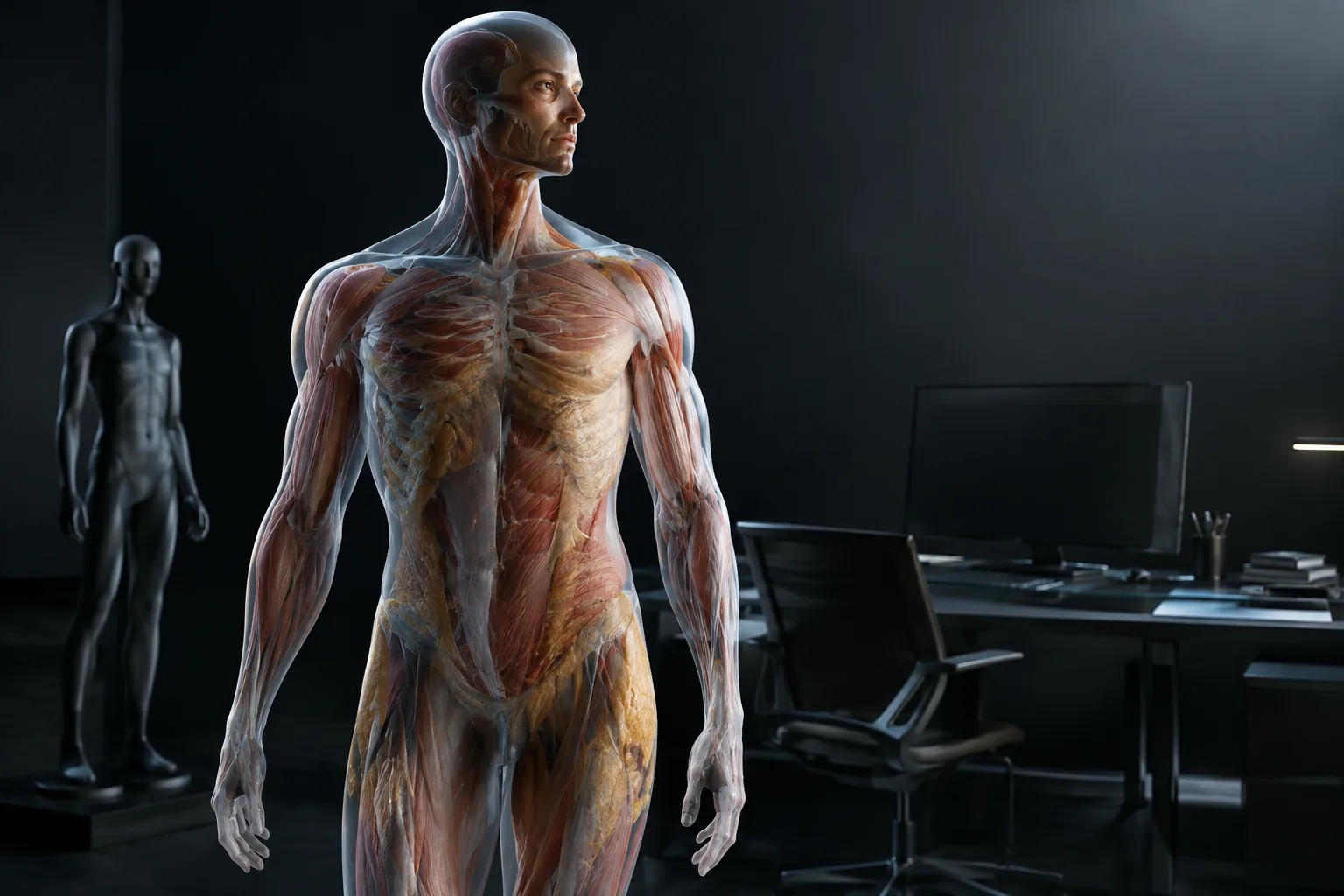
Developed for character and creature animation, HézFX returned to the spotlight with an announcement published on 26 November 2026. Created by Shirzad Bahrami, a senior technical animator at Activision Blizzard, the tool aims to simulate muscle, fascia, fat and skin together in 3ds Max, Maya, Blender and Houdini. Its FEM-based system lets users define separate material properties for each tissue layer.
What problem is HézFX trying to solve?
HézFX calculates how multiple soft-tissue layers affect one another as a character moves. The tool’s stated aim is to connect the movement of muscles and surrounding tissues in a single simulation, rather than treating them separately. The developer says it can produce stable and accurate results for character and creature effects; these are claims made in the product presentation.
The workflow starts with a character rig that is ready for animation. Users create muscle volumes, attach them to bones and define the direction of the muscle fibers. A fascia layer is then added around the muscles, followed by fat and skin layers set up to follow the movement beneath them. Simpler characters do not necessarily need all four layers.
What do we know about setup and performance?
The quick setup shown in the developer’s video is said to take about 30 minutes. The same presentation reports an average simulation speed of 130 ms per frame, including volume embedding. This figure comes from a specific demonstration; the source does not provide hardware specifications or performance comparisons across different scenes, so it cannot be generalized to every project.
The tool is still in active development. Planned features include standalone solving support, but no release date has been shared for this functionality. HézFX has documentation and training materials. Studios can also reportedly arrange one-on-one meetings with the developer.
Licensing and software support
HézFX is offered with three subscription options: Academy, Individual and Studio. According to the source, all three licenses include support for 3ds Max, Maya, Blender and Houdini, allowing the same solver to be used in different applications. However, subscription prices, details of the licensing terms and supported application versions have not been disclosed.
For architecture, interior design and archviz workflows, HézFX is not a direct building-modeling or architectural visualization tool; its focus is character and creature effects. Still, it may be worth considering for teams with animated people or creatures in their scenes that want to depict movement in greater detail. Visualization teams using 3ds Max or Blender in particular should test the tool’s support and performance within their own scene and animation workflows. Since the source does not specify hardware requirements or compatibility with particular versions, these details should be confirmed before purchase.
What should you consider before using it?
Compatibility with four applications could offer flexibility for artists using different software within the same team. However, support for multiple applications does not mean that project files or simulation results can be transferred seamlessly between them; the source provides no information on this. Similarly, the 130 ms/frame figure should be treated as a result from a specific demonstration.
During evaluation, first test whether the tool works with the target character’s existing rig and animation workflow. Then assess how long it takes to set up the required tissue layers and how results can be brought into the scene. Since subscription costs and technical compatibility details have not been disclosed, teams should clarify licensing and version information with the developer.
Sources
1 sourceSource texts are not republished; short quotes are marked, everything else is our own summary and commentary.
HézFX may be useful to archviz teams not for creating buildings or materials directly, but for projects that need animated characters to move more convincingly. Handling multiple tissue layers in a single simulation is an appealing approach for small teams working on character and creature FX.
For offices and visualization teams in Turkey, the decision should be based on results in their own scenes rather than the reported performance figure. Since pricing, hardware requirements and supported application versions have not been disclosed, these details should be clarified before subscribing or changing workflows.
Frequently asked questions
Which software does HézFX support?
According to the source, it supports 3ds Max, Maya, Blender and Houdini. All three subscription options include support for these applications.
Which tissues does HézFX simulate together?
It handles muscle, fascia, fat and skin in a single simulation, with separate material properties. Simpler characters do not need to use every layer.
Have HézFX’s pricing and release date been announced?
The source lists Academy, Individual and Studio as subscription options but does not provide prices. No release date has been announced for the standalone solving feature either.