In brief
- Qualcomm said it tested the full memory read-write path on its first-generation HBC silicon.
- The tests used random weights and activations, with data paths representing production-scale dimensions.
- HBC aims to reduce data movement and increase effective bandwidth by bringing compute closer to memory.
- The Qualcomm Dragonfly AI250 is expected to enter sampling in the first half of 2027.
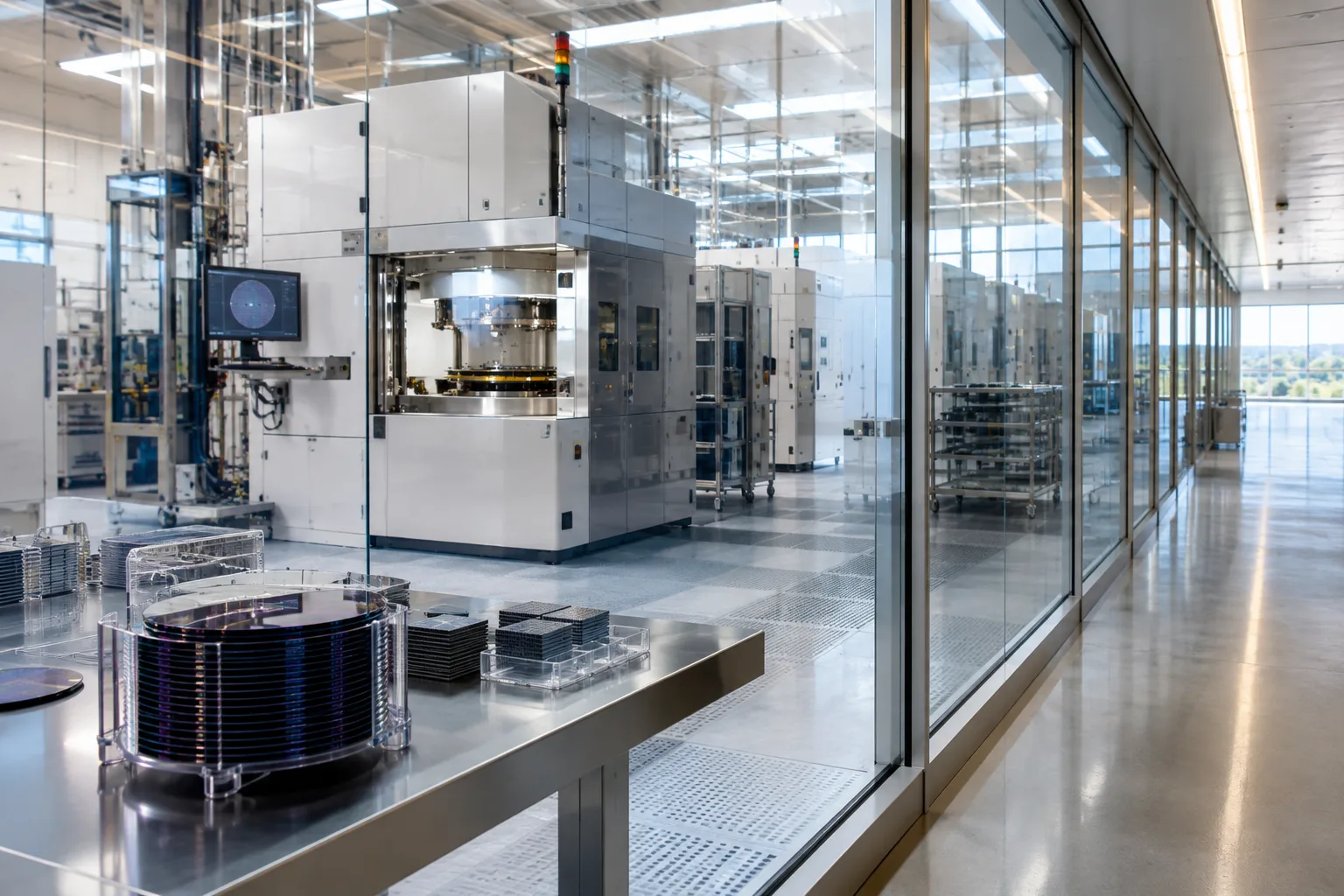
Qualcomm Technologies announced on 5 November 2026 that it had validated the memory read-write path and near-memory computing on its first-generation High Bandwidth Compute (HBC) silicon. Tests conducted at the company’s San Diego lab covered data paths representing production-scale dimensions. Qualcomm describes the validation as a milestone ahead of integrating HBC into the Dragonfly AI250 AI inference platform, the next step for the technology.
What problem does HBC address?
According to Qualcomm, memory bandwidth is a significant constraint in large language model inference. Model data must be moved to processing units for each new output segment; at data-center scale, this movement affects power consumption and latency.
The HBC approach aims to reduce data movement and increase effective bandwidth by bringing compute closer to memory. The company says this design could help balance performance and power consumption in AI inference. However, the announcement did not provide a specific speed increase or energy savings percentage. Qualcomm’s published measurement note also says results are normalized for target operating conditions and that final performance may vary depending on the product implementation, workload, and system configuration.
What did the tests cover?
Qualcomm engineers tested the first-generation HBC silicon using industry-standard automated test equipment and data flows representing production-scale dimensions. The tests ran the full memory read-write path and also performed near-memory computations using random weights and activations.
The company describes validating these data paths on physical silicon as evidence that the architecture works and as a step toward product integration. The announcement also says that the design of a data-center product has been sent for production and that the first bring-up of a logic base bonded to DRAM layers is ongoing. The product name, technical specifications, and commercial launch schedule were not disclosed.
Packaging and reliability are also part of HBC’s production preparations. Qualcomm says it is working with foundry and assembly partners to develop and characterize the wafer-to-wafer bonding process across different technology generations. It also cites redundancy and remapping methods to address memory errors, along with repeatability and reliability work to scale up production.
What’s next for Dragonfly AI250?
The Qualcomm Dragonfly AI250 is expected to enter sampling in the first half of 2027. The company says the platform will integrate HBC into a full AI inference accelerator and become part of the Dragonfly Rack infrastructure. The sampling date should not be taken as the product’s general availability date; the announcement did not provide a commercial availability timeline.
For architects, interior designers, and visualization teams, the announcement does not mean a direct improvement in desktop rendering performance. HBC is intended, in the company’s description, for data-center-based inference infrastructure. As a result, memory and power efficiency may matter to organizations delivering generative AI services or evaluating their own inference infrastructure; however, compatibility with local 3D software, supported models, pricing, and licensing terms have not been disclosed. Those considering a decision in these areas should wait for details about the AI250’s product specifications and system configuration.
Sources
1 sourceSource texts are not republished; short quotes are marked, everything else is our own summary and commentary.
The HBC announcement does not introduce a new component that architecture and visualization studios can immediately add to their workstations. Its significance lies in memory movement and power efficiency becoming central to product design for infrastructure running large AI models in data centers. For studios using these infrastructures, any potential benefit will become clear only when service providers publish real-world product performance and cost information.
For teams in Turkey, it is still too early to make hardware investment or licensing decisions. While the AI250 sampling date is known, pricing, commercial availability, compatibility, and measurable performance data have not been shared. HBC should not be assumed to have a direct impact on desktop rendering software; purchasing decisions should wait for tests using real workloads.
Frequently asked questions
What is Qualcomm HBC?
HBC is Qualcomm’s near-memory computing approach. The company aims to reduce data movement and increase effective bandwidth with this method.
When will the Qualcomm Dragonfly AI250 enter sampling?
The Qualcomm Dragonfly AI250 is expected to enter sampling in the first half of 2027. No commercial sales timeline has been announced.
Will HBC speed up architectural visualization workstations?
The announcement links HBC to data-center AI inference infrastructure. No information was shared about compatibility with local rendering software or its impact on workstation performance.