In brief
- Veras 5.2’s Agent mode can run on GPT-6 Astra or Claude Opus 5.5.
- The creation process can use a render, photo, sketch or up to 12 image references in total.
- The BAKE function transfers the model to Revit, Rhino and SketchUp as editable native geometry.
- Chaos is offering 2,000 free credits for model generation with GPT-6 Astra throughout October.
Chaos introduced Veras 5.2 in a blog announcement published on 29 September 2026. The update’s headline feature is Agent mode, which can create an entire 3D scene from architectural references and make the result editable geometry in Revit, Rhino or SketchUp. According to Chaos, Veras 5.2 shifts the workflow from the previous version’s focus on generating individual assets from images to building scenes.
How does Agent mode generate models from references?
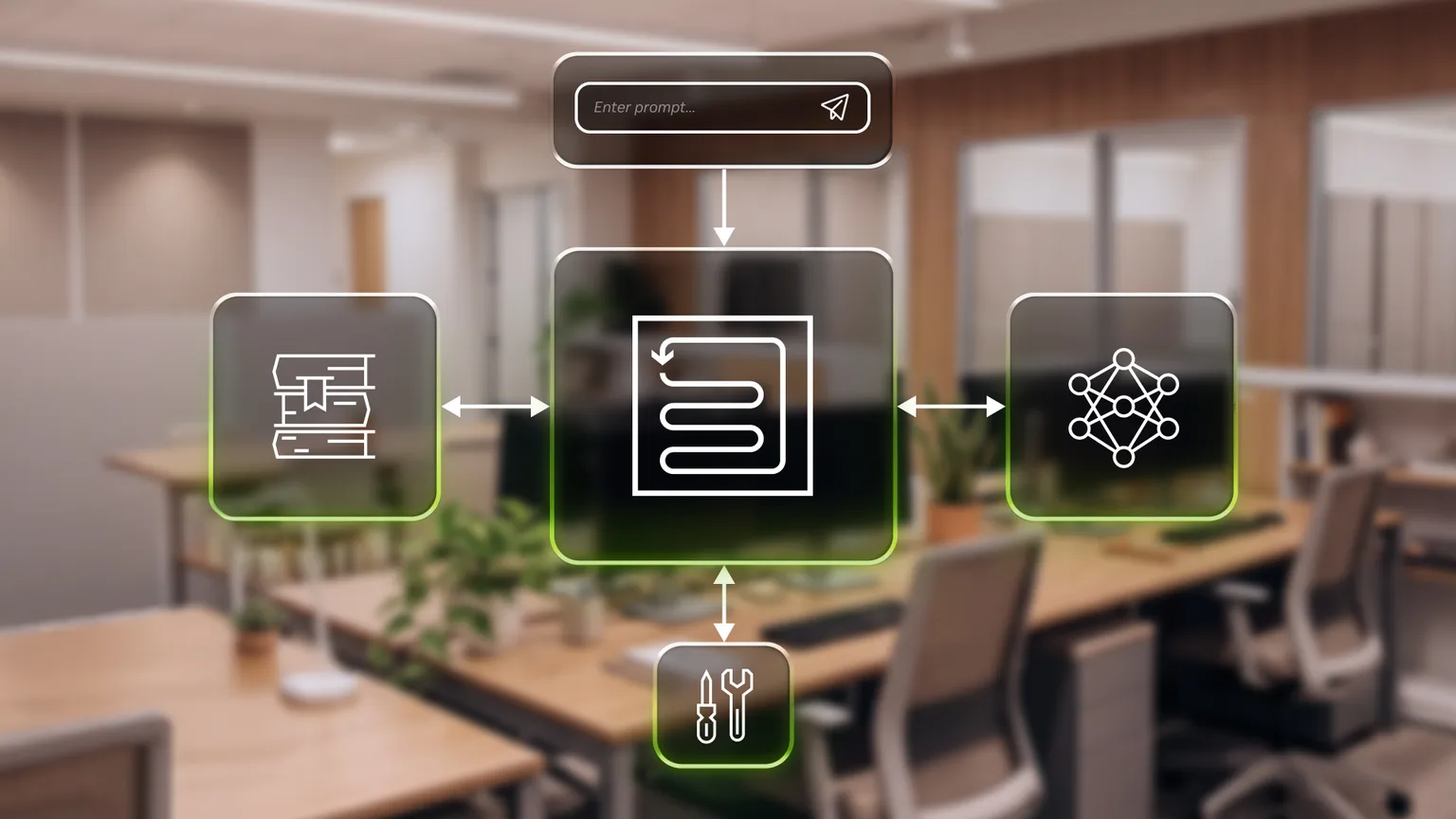
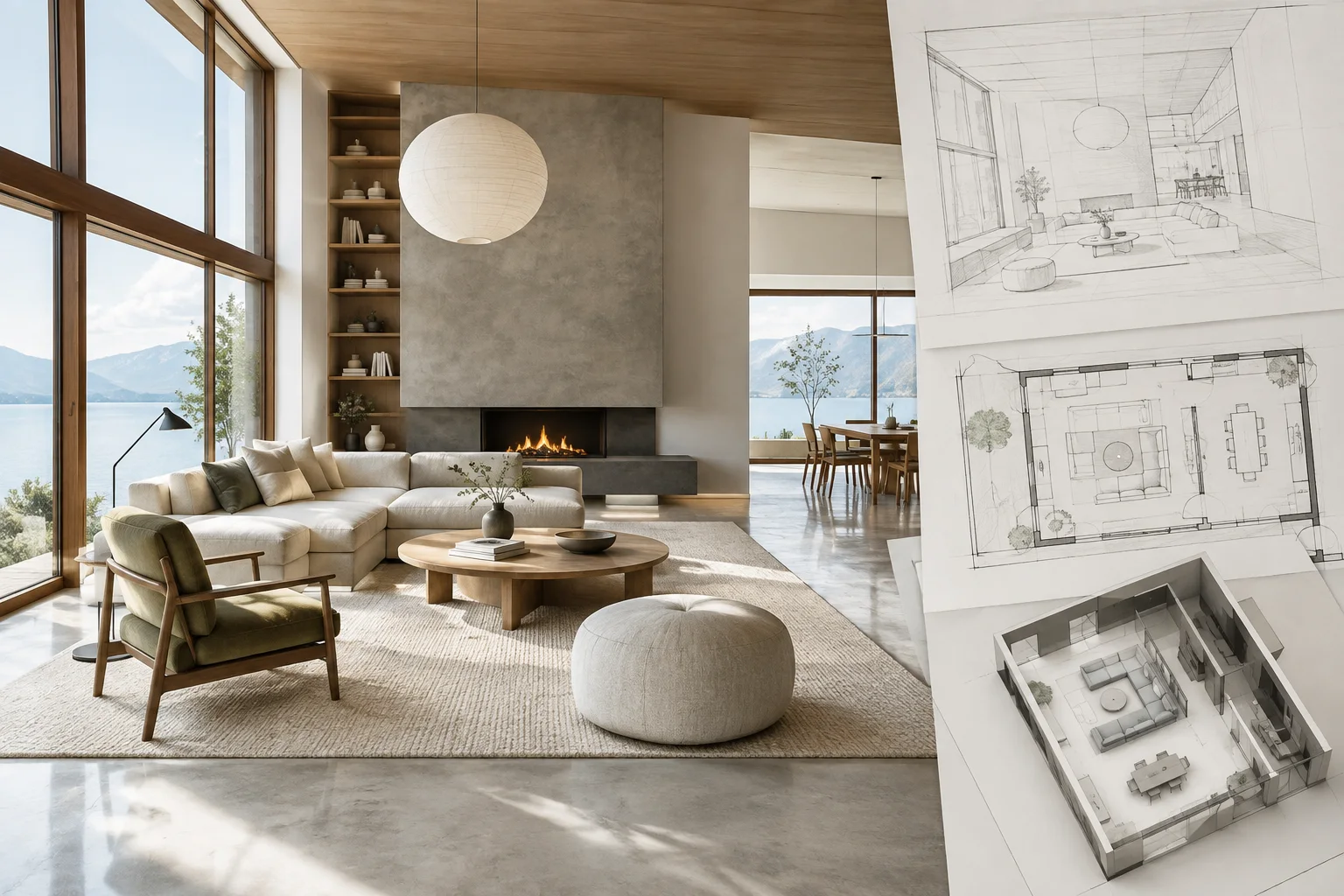
Users can provide the model with a render, photo, sketch or multiple images. They can use up to 12 references, including views from the host application and frames captured from the 3D viewer. GPT-6 Astra is the default option for Agent mode, with Claude Opus 5.5 also available as an alternative. Users can adjust the level of effort applied to the task.
Agent builds the model step by step, creating architectural elements such as walls, floors, roofs, openings, doors, windows, cameras and furniture. Chaos says the system also supports more complex geometry, including curved walls, sloped and swept solids, profiles, hip roofs and voids cut into solids. As it generates the model, the system compares it with the reference images and attempts to correct any mismatches. Where details cannot be inferred from the references, it marks its assumptions in the model with a question mark.
Direct transfer to Revit, Rhino and SketchUp
Once the model is ready, the BAKE function writes the geometry into the application in use without an intermediate export or conversion step. In Revit, walls, floors, roofs, doors and windows become native elements. In SketchUp, components remain editable groups, while Rhino receives editable NURBS geometry. Chaos says native geometry transfer is currently supported in these three applications.
Agent can use furniture and other assets from Chaos Cosmos while building the model, and search Cosmos for materials such as brick or oak flooring. Selected assets and materials can be transferred to the host model. The update also includes Material Generator, Proxy Bake and Place from Gallery. Proxy Bake lets users keep the full asset for visualization while using a smaller proxy in the host model. Previously generated 3D assets can be found in the Gallery by island, category or engine, then placed in the scene.
Free trial and the impact on architectural workflows
Chaos is offering 2,000 free credits throughout October to try model generation with GPT-6 Astra. According to the company, that is enough for approximately four models, based on an average of 500 credits per model; it also notes that actual usage can vary depending on model complexity. The announcement says the offer runs throughout October.
For architecture, interior design and archviz teams, the update’s promise is that a visual idea can become an editable starting model in project software rather than remaining only a presentation image. Teams with references from different angles may find the workflow useful for early-stage massing and spatial studies. However, Agent’s output should not be treated as a finished project model: even when uncertain assumptions are flagged, users need to check that the geometry, dimensions and elements meet the design requirements. Compatible applications are limited to Revit, Rhino and SketchUp; Chaos does not provide details about hardware requirements in its announcement.
Veras users with Enscape, V-Ray and Corona can update to 5.2, and a free trial is available for those trying the product for the first time. New image and video options also include GPT Image 2.5, GPT Image 2 and Grok Imagine 2.
Sources
1 sourceSource texts are not republished; short quotes are marked, everything else is our own summary and commentary.
Veras 5.2’s main value for architectural work lies in its ambition to close the gap between visual references and editable project elements. It could save time, particularly during early design and scene setup, but it does not remove the need to review the model or take responsibility for design decisions. The quality of the references and the corrections required afterward will determine its practical value.
For offices in Turkey, the free-credit offer lowers the barrier to trying the tool; however, the cost of ongoing use and how it relates to existing licenses will need to be assessed separately. Since the announcement does not specify hardware requirements, it is too early to draw firm conclusions about compatibility with workstations. A sensible first step would be to test a small example in the office’s Revit, Rhino or SketchUp workflow and evaluate the geometry quality and workload.
Frequently asked questions
Which applications can Veras 5.2 transfer editable models to?
The BAKE function supports native geometry transfer to Revit, Rhino and SketchUp. Elements become native architectural elements in Revit, editable groups in SketchUp and NURBS geometry in Rhino.
What image references does Veras 5.2’s Agent mode accept?
Users can provide renders, photos, sketches or references from different viewpoints. The total number of images, including host application views and 3D viewer frames, cannot exceed 12.
Does Veras 5.2 offer free credits for model generation?
Chaos is offering 2,000 free credits for model generation with GPT-6 Astra throughout October. The company says average usage is approximately 500 credits per model, though actual consumption may vary.