In brief
- ASUS is ramping up volume shipments of NVIDIA Vera Rubin NVL72 systems in Q4 2026.
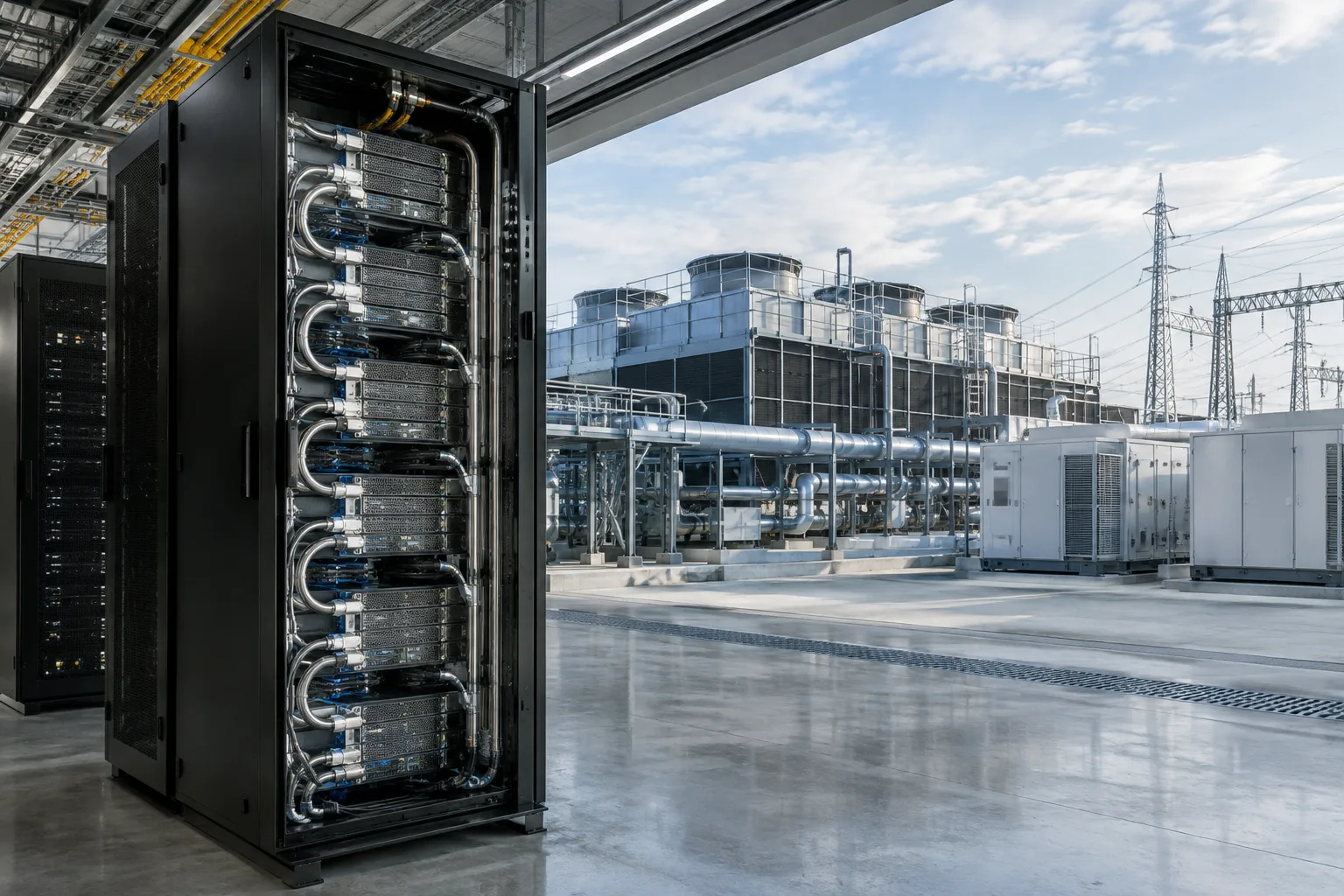
- The AI POD XA VR721-E3 houses 72 NVIDIA Rubin GPUs and 36 NVIDIA Vera CPUs in a fully liquid-cooled rack.
- ASUS says its production process uses L10/L11 automation and a six-layer validation process.
- Using the NVIDIA Omniverse DSX Blueprint, the company simulates AI Factory facility and system configurations before physical deployment.
ASUS announced on November 17 at SC26 in Chicago that it is ramping up volume shipments of NVIDIA Vera Rubin NVL72 systems in Q4 2026. The company is showcasing its AI Factory reference architecture at the event, held at McCormick Place. According to ASUS, expanding production capacity is intended to make deliveries of rack-scale systems more consistent and predictable.
What does the Vera Rubin NVL72 rack system include?
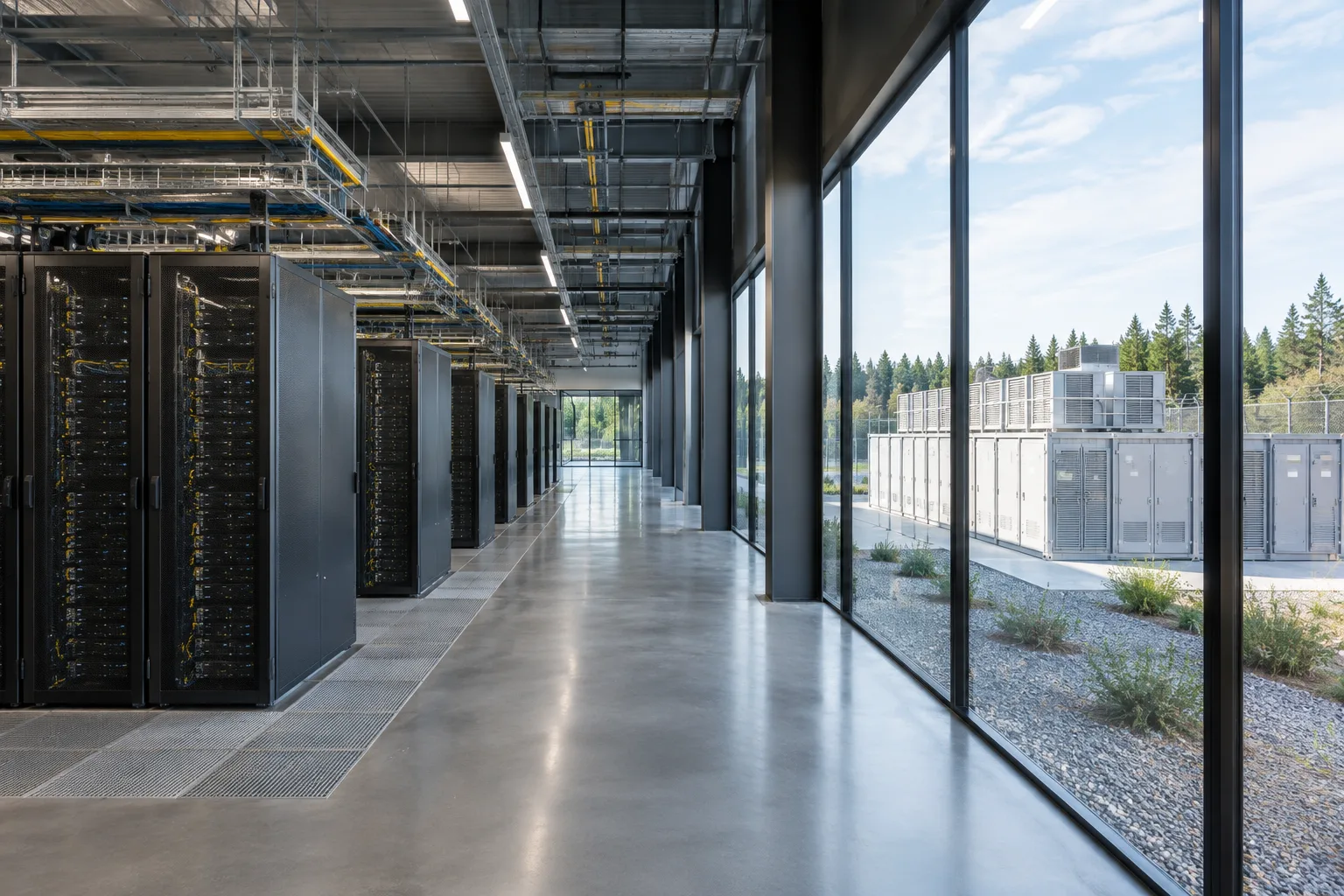
ASUS’s AI POD XA VR721-E3 brings together 72 NVIDIA Rubin GPUs and 36 NVIDIA Vera CPUs in a fully liquid-cooled rack architecture. The company positions the system for large-scale model training, complex reasoning and high-volume inference. Components on display also include NVIDIA Groq 3 LPX and Vera CPU trays, as well as the NVIDIA Spectrum-X SN6600 Ethernet switch and NVIDIA CMX.
ASUS says it focuses not only on hardware but also on assembly consistency and testing in the production and delivery of rack-scale systems. Its L10 and L11 manufacturing stages use optical inspection, removal of protective covers, automation to assist with module placement and precision fastening. The company also says it uses Predictive Virtual Lab early in the design process to examine potential signal integrity issues.
The six-layer validation approach before shipment covers everything from individual node checks to full-rack testing. Alongside hardware functionality and BIOS and BMC checks, the process evaluates power cycles, stress tests, NVIDIA diagnostics and rack performance. ASUS also says it monitors thermal behavior, power stability and overall system health before delivering the systems.
Other server and storage options
Alongside the Vera Rubin NVL72, ASUS is showcasing two systems based on NVIDIA HGX Rubin NVL8: the hybrid-cooled 3U XR R1I12B-M1BHFS and the fully liquid-cooled 2U XR R1I12B-M1BLFS. In the NVIDIA MGX family, the lineup includes the XA P2N-E2 with Vera CPUs and the ESC8000A-E13P, featuring NVIDIA RTX PRO 4500 NVIDIA Blackwell Server Edition GPUs.
The company is also presenting storage and server products, including the VS320D-RS26N enterprise storage platform and the OJ340A-RS60 high-density object storage system. ASUS is also showing the 1U RS500A-E14B-R12U server, which features a sixth-generation AMD EPYC 9006 processor, PCIe 6.0 connectivity and NVMe storage. The announcement does not include pricing and notes that product and configuration availability may vary by region.
Implications for facility planning and architectural workflows
ASUS’s AI Factory approach intersects with architecture and interior design in particular through data center facility planning. The company aims to simulate facility requirements and system configurations before physical deployment, using the NVIDIA DSX reference design and NVIDIA Omniverse DSX Blueprint for AI Factory Digital Twins. In work with Schneider Electric, AVEVA and IBM, IT infrastructure, power, cooling and facility models are brought together in the same simulation environment. ASUS says this approach can help assess constraints and design options before installation.
This announcement is not about a new feature for architectural visualization software; it describes an infrastructure approach for architecture and engineering teams designing data centers. ASUS’s services also include site preparation, power and cooling planning, system integration and deployment support. The company’s AIDC solution is intended to automate provisioning, cluster configuration and software installation after the hardware is deployed.
Sources
1 sourceSource texts are not republished; short quotes are marked, everything else is our own summary and commentary.
For architecture and visualization firms, this announcement does not directly mean a new rendering tool. The digital twin approach—considering architectural decisions alongside power, cooling and IT infrastructure in data center projects—may be of interest to teams designing large-scale facilities. Identifying constraints before physical deployment has the potential to bring project coordination into an earlier stage.
For teams in Turkey, price, local availability and the requirements of the chosen configuration will be decisive when assessing an investment. ASUS has not announced pricing and says product availability may vary by region. As a result, it is difficult to estimate costs before the hardware, cooling and deployment scope are clear; compatibility between simulation tools and existing project workflows should also be evaluated before implementation.
Frequently asked questions
When is ASUS ramping up Vera Rubin NVL72 shipments?
ASUS announced that it is ramping up volume shipments in Q4 2026.
What hardware does the AI POD XA VR721-E3 include?
The system houses 72 NVIDIA Rubin GPUs and 36 NVIDIA Vera CPUs in a fully liquid-cooled rack architecture.
Has ASUS announced pricing for Vera Rubin systems?
The announcement did not include pricing. ASUS says product and configuration availability may vary by region.