In brief
- Praxis-1’s weights and source code are available under the Apache 2.0 license.
- The model processes camera footage, text instructions and the robot’s pose data to calculate movements.
- In Runway’s test, Praxis-1 achieved a 46.2% success rate across 120 simulated tasks; the results have not been independently verified.
- The standard version requires a GPU with 80 GB of memory. Runway estimates that the compressed version will fit in 32 GB of VRAM.
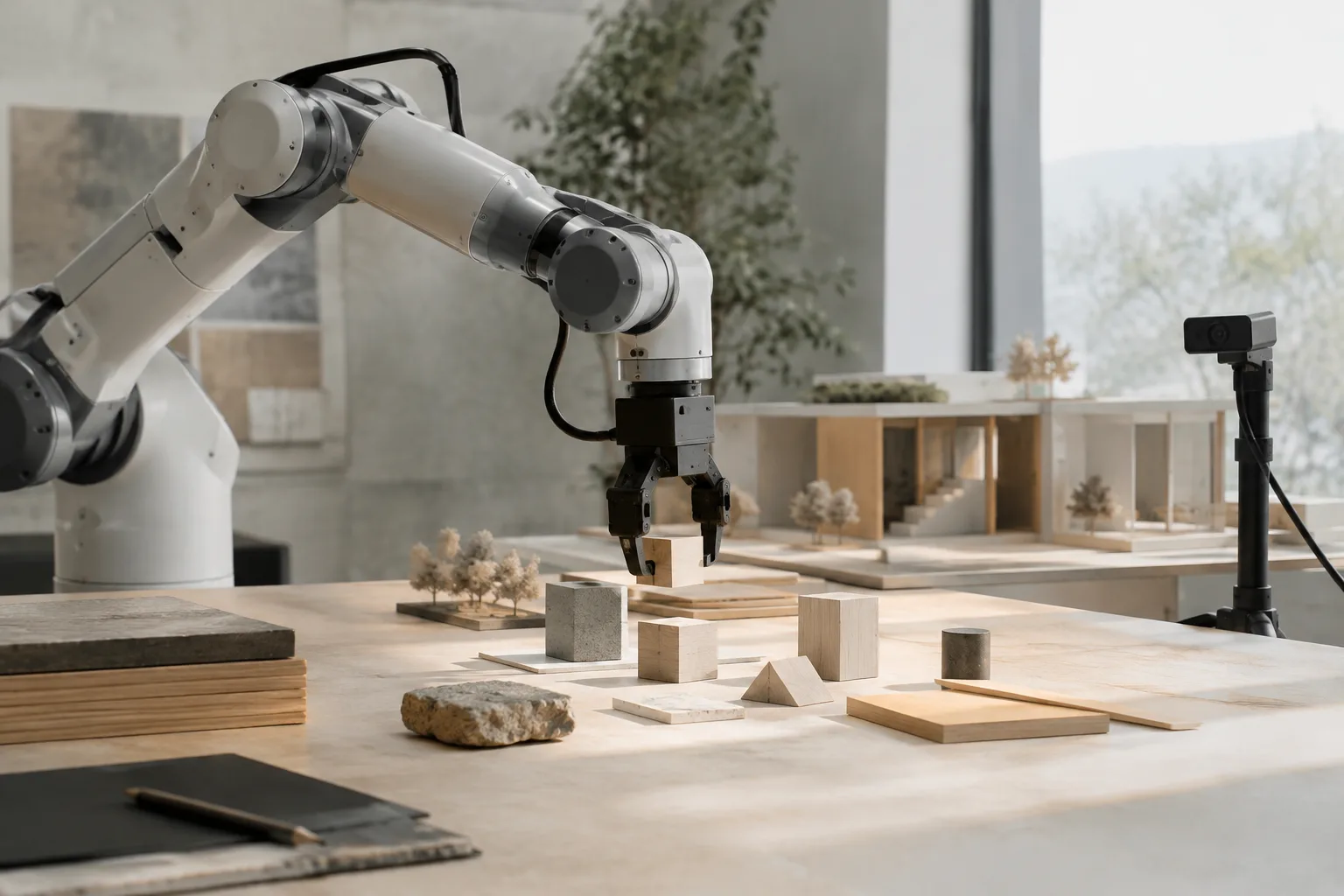
Runway released its Praxis-1 robot-control model with open weights and source code on 14 November 2026. The model takes camera footage, text instructions and robot pose data as input, then predicts how the environment may change and calculates appropriate movements. It updates its control decisions as new camera frames arrive. The weights and code are available under the Apache 2.0 license; the model can be downloaded from Hugging Face after accepting the registration and access requirements.
From video data to robot control
Praxis-1 is built on a model that learns how objects move and interact with one another from ordinary videos. Runway further trained it on videos showing human actions and on robot data. The company’s approach is intended to reduce the need to collect robot-specific data. However, the release notes also say that adapting the model to new types of robots requires additional training with robot data.
Runway describes Praxis-1 as a “World Action Model” that predicts the future state of a scene and translates it into robot movements. According to the company, Standard Bots, Noble Machines and Ultra have been testing the model on different systems since September. These include a humanoid robot, an industrial robot arm and a dual-arm warehouse robot.
How should the test results be interpreted?
In tests reported by Runway, Praxis-1 achieved a 46.2% success rate across 120 simulated tasks on the NVIDIA RoboLab-120 leaderboard. The tasks include sorting, grasping and stacking objects. Under the same test conditions, FLUX 3 Action scored 42.9%. Praxis-1 ranked first in the World Action Model category and fifth overall, behind two AI agents and two robot models with different architectures. Runway conducted the tests; the results have not been independently verified.
The company also tested the model with a real Franka robot arm. It ran ten trials for each of ten tasks; Praxis-1 succeeded in 88 trials overall, while FLUX 3 Action recorded 80 successes. In another test, the model was adapted to a type of mobile robot it had not encountered before. According to Runway, after additional training with approximately 95 hours of robot data, the model achieved an average success rate of 80% in simulation. In the same comparison, Google’s RT-1 reached 52.4%.
Hardware requirements and known limitations
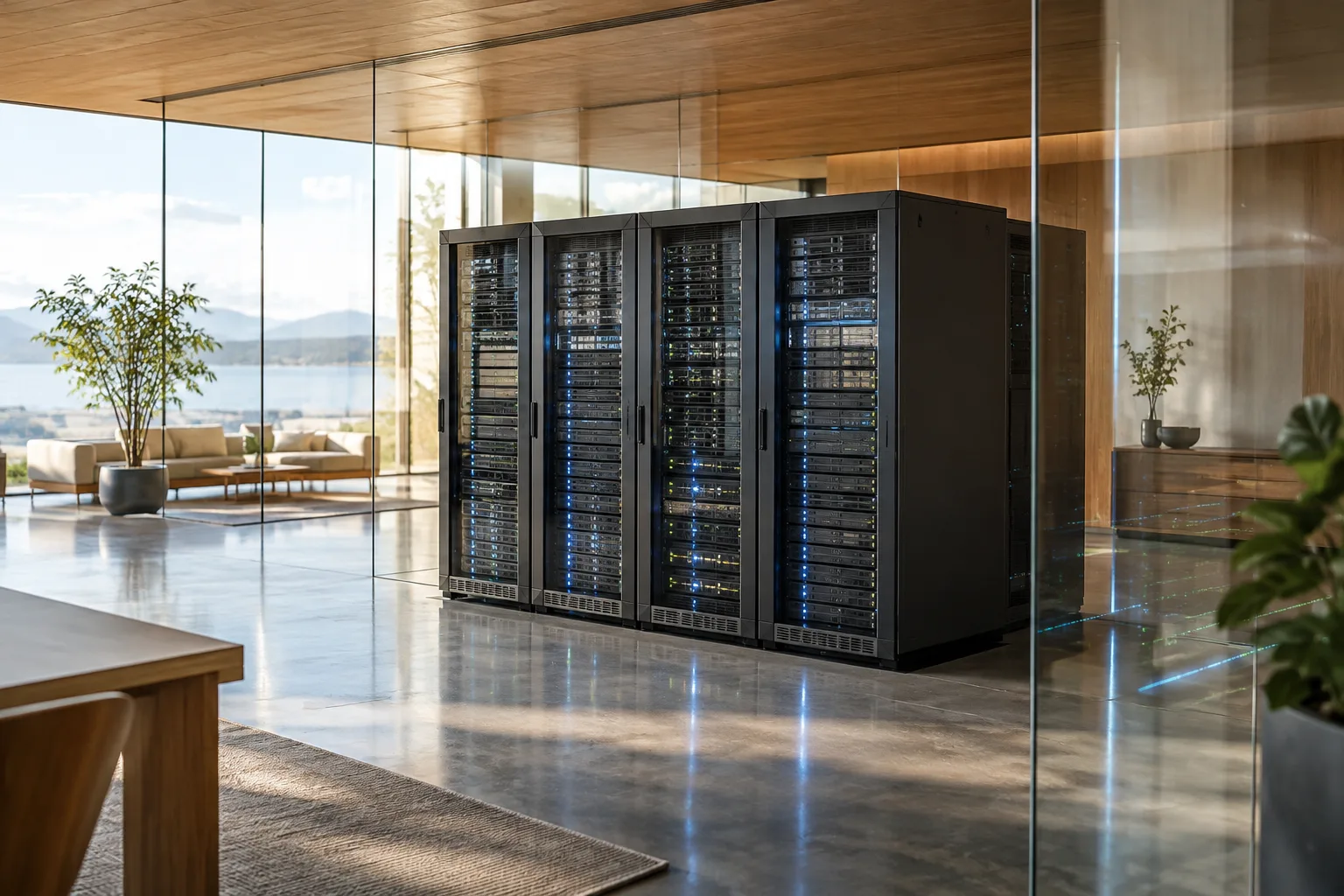
Runway’s documentation specifies a GPU with 80 GB of memory for the standard version of Praxis-1. Based on the company’s memory estimate, the compressed version is expected to fit on an RTX 5090 with 32 GB of VRAM. However, the documentation also notes that peak memory usage for this version has not yet been measured. The base model requires additional training to work with different robot systems; Runway says pre-adapted versions for some robots are also available.
The model can confuse objects that look alike and may struggle with unclear instructions. Long tasks need to be described as separate steps; Praxis-1 cannot yet reliably plan complex action sequences on its own. As a result, the success rates reported in the tests do not guarantee the same performance across different robots and tasks.
Impact on architecture and visualization workflows
Praxis-1 is not presented in the source as a tool designed for architectural software or archviz production. However, robots responding to camera footage and instructions in physical environments is a development worth watching for teams exploring robotic systems in spatial projects. Offices considering an implementation need to assess the additional training required for their target robot, GPU memory needs and the terms of the Apache 2.0 license.
The fact that the model accepts camera footage does not, by itself, mean it integrates with rendering software or architectural scenes. The source provides no compatibility information of this kind. Praxis-1’s current relevance to architecture and visualization is therefore limited: it is a model for controlling robots that perform tasks in physical spaces, rather than a direct production tool.
Sources
1 sourceSource texts are not republished; short quotes are marked, everything else is our own summary and commentary.
Praxis-1’s open weights and Apache 2.0 license allow teams working on robotics prototypes to examine and adapt the model. However, deploying it across different robots brings additional training and hardware requirements into the picture. For architecture firms and visualization teams, it is not a direct production tool today; it is more relevant to those following the use of robots in physical spaces.
When assessing cost and feasibility, teams in Turkey should look beyond the license to the 80 GB memory requirement and the work involved in preparing additional data. The claim that the compressed version will run on an RTX 5090 is Runway’s estimate, not a measurement of peak memory usage. The test results have also not been independently verified, making trials on real projects important.
Frequently asked questions
What license was Runway Praxis-1 released under?
The model weights and source code are available under the Apache 2.0 license. Downloading them from Hugging Face requires registration and acceptance of the access requirements.
What GPU does Praxis-1 require?
According to Runway’s documentation, the standard version requires a GPU with 80 GB of memory. The company estimates that the compressed version will fit on an RTX 5090 with 32 GB of VRAM; peak memory usage has not yet been measured.
Can Praxis-1 be used with new robots out of the box?
Adapting the base model to new robot systems requires additional training. Runway says pre-adapted versions are available for some robots.