In brief
- Mari 8.0 adds over 50 new nodes to the Node Graph, 49 of them designed for mathematical operations.
- The Tri-Planar Tiled node projects a single 2D image along the model’s X, Y and Z axes, helping address UV seams and distortion.
- The new Color Mask and Multi Color Mask nodes can create masks based on colors on the model’s surface.
- The software is compatible with Windows 11 and Rocky Linux/RHEL 9; individual subscriptions start at $86 per month or $689 per year.
Foundry has released Mari 8.0, the latest version of its 3D texture painting software. According to an update published by CG Channel on 15 October 2026, the final release adds over 50 new Node Graph nodes, new masking options and navigation improvements. Mari 8.0 supports Windows 11 and Rocky Linux/RHEL 9, and is available by subscription only.
New tools for creating textures in the Node Graph
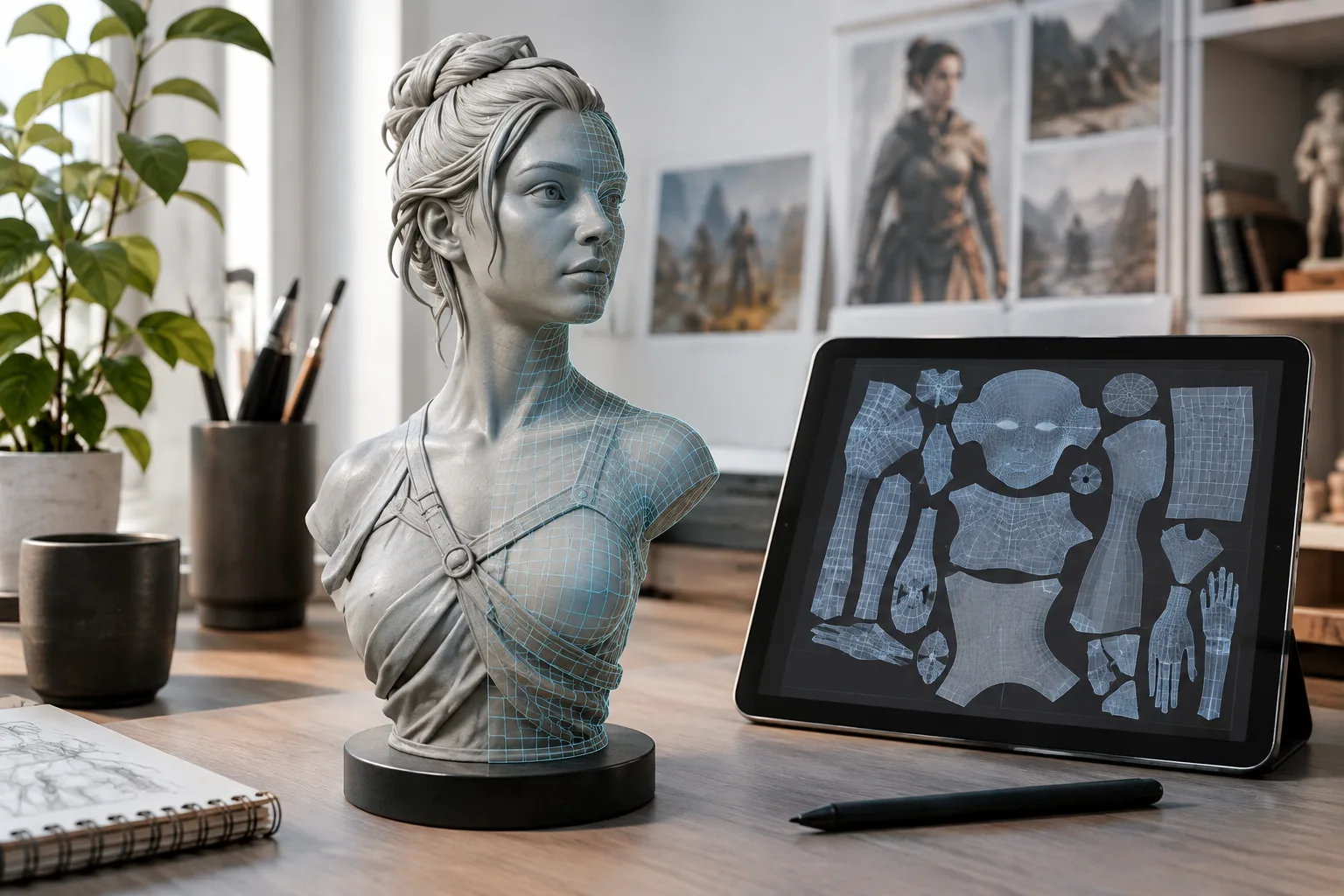
One of the release’s highlights is the Tri-Planar Tiled node, which projects a single 2D texture image along the model’s X, Y and Z axes. This approach can be used on surfaces with distorted UVs or UV seam issues, and also makes it possible to texture models without UVs. Unlike Mari’s existing Triplanar Projection node, the new tool uses one image instead of three separate images.
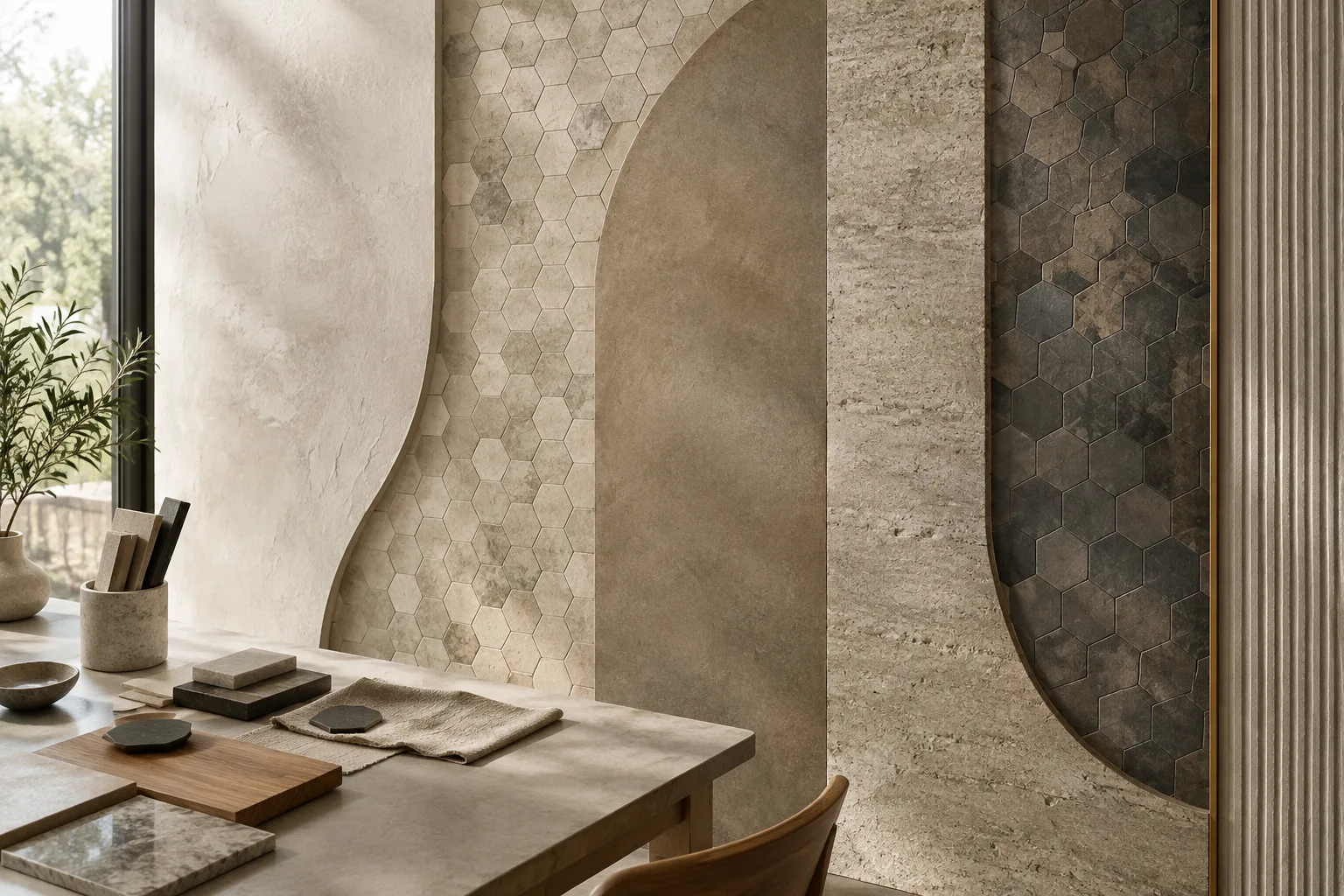
Blend settings include a Smart blend mode designed to preserve high-frequency detail, noise-driven blending, and adjustable transition ranges and curves. The Hex Tile node aims to reduce the appearance of repetition by tiling and blending textures in a hexagonal pattern instead of a rectangular grid.
The new Compare node lets users compare different node streams using an A/B wipe. Color Remap brings controls for hue, saturation, exposure and gamma together in one place. Transform nodes for working with coordinate transformations and UV data have also been added to the Node Graph. The new math nodes cover basic arithmetic and trigonometry, as well as conditional logic and advanced randomization operations.
Masking tools and ease of use
Mari 8.0 adds options for generating Color ID masks from active canvas selections or Selection Groups. Color Mask isolates a single color on the model’s surface, while Multi Color Mask can use several target colors at once. A mask port can also be added to any node in the Node Graph.
The update also adds an option to inspect a scene by rotating the virtual camera in a trackball style, offering an alternative to the standard Orbit tool. Archived projects are clearly marked with thumbnails in the library. The Shelf search field now supports logical operators, making it easier to include or exclude terms from a search.
Compatibility, subscriptions and architectural visualization workflows
Mari 8.0 moves to the CY2025 specification of the VFX Reference Platform. The release also includes read-only support for cameras in USD files. This support is not described as allowing camera data to be edited; according to the source, it is limited to reading cameras.
Teams preparing textures for architectural visualization and interior projects may want to consider Tri-Planar Tiled and Hex Tile, particularly for models where UV seams or distortion are an issue. Color-based masking nodes can also help isolate selected colors on material surfaces within the Node Graph. However, these features do not mean UV preparation is no longer needed for every project; the suitability of the new node should be checked for each model and texture.
The standard individual subscription costs $86 per month or $689 per year. A team subscription costs $1,289 per year. The source does not specify Turkey-specific pricing, tax information or other licensing options. Compared with Mari 7.5, this release brings newer tools and an update to the VFX Reference Platform, but does not move to the CY2026 or CY2027 specification.
Sources
1 sourceSource texts are not republished; short quotes are marked, everything else is our own summary and commentary.
Mari 8.0’s most practical additions for architectural visualization teams are the Tri-Planar Tiled node, designed to reduce UV-related issues, and the color-based masking tools. Handling texture repetition and mask preparation within the Node Graph can make the material creation process more controlled, especially on complex surfaces. The results still depend on the model and texture, though; the new nodes do not make UV preparation unnecessary in every case.
For offices in Turkey, it’s important to consider the subscription cost alongside compatibility with existing workflows. The source does not provide Turkey-specific pricing or hardware requirements, so it’s worth checking local pricing and the operating systems used in your projects before calculating costs. Also note that USD camera support is read-only.
Frequently asked questions
Which operating systems does Mari 8.0 support?
Mari 8.0 is compatible with Windows 11 and Rocky Linux/RHEL 9.
How much does a Mari 8.0 subscription cost?
The standard individual subscription costs $86 per month or $689 per year. The team subscription costs $1,289 per year.
Can Mari 8.0 edit cameras in USD files?
The release offers read-only support for cameras in USD files. The source does not say that camera data can be edited.