In brief
- RTX Spark is presented on NVIDIA’s product page as a platform with laptop and compact desktop options.
- The system targets up to 128 GB of unified memory and up to 1 petaflop of FP4 AI performance.
- NVIDIA says it can process 3D scenes of up to 90 GB and run models with up to 120 billion parameters.
- The product page includes a pre-order prompt, but no pricing or firm release date has been announced.
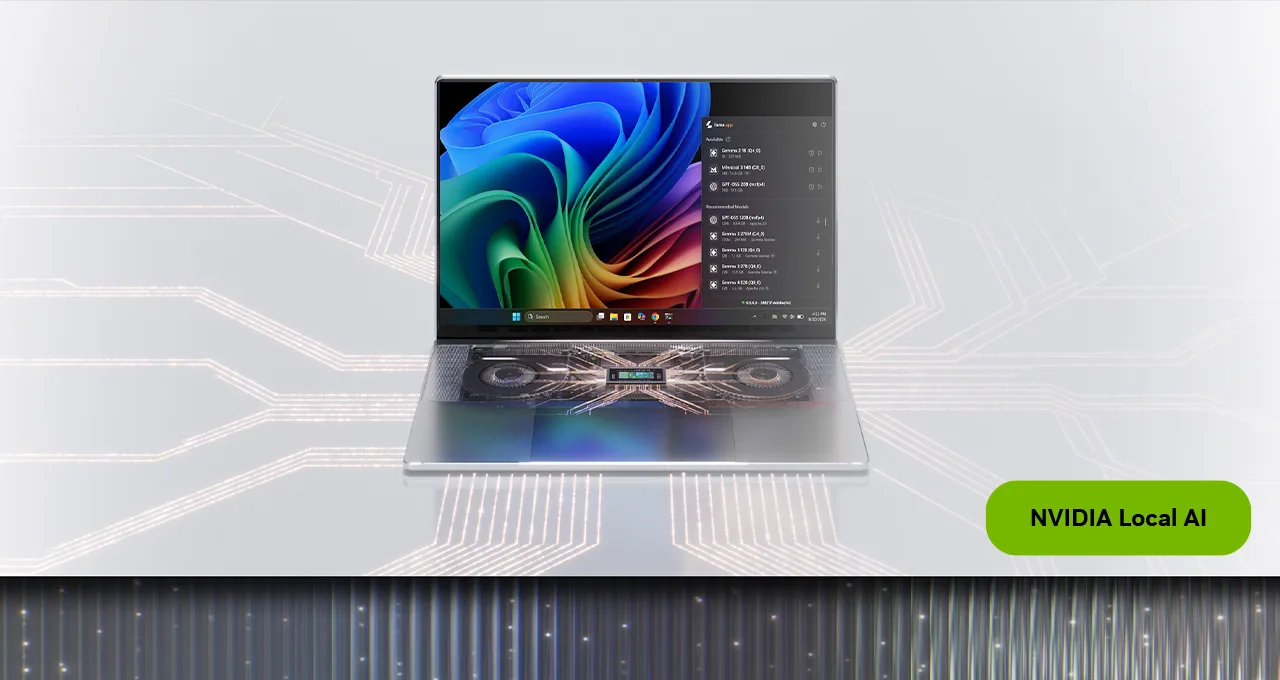
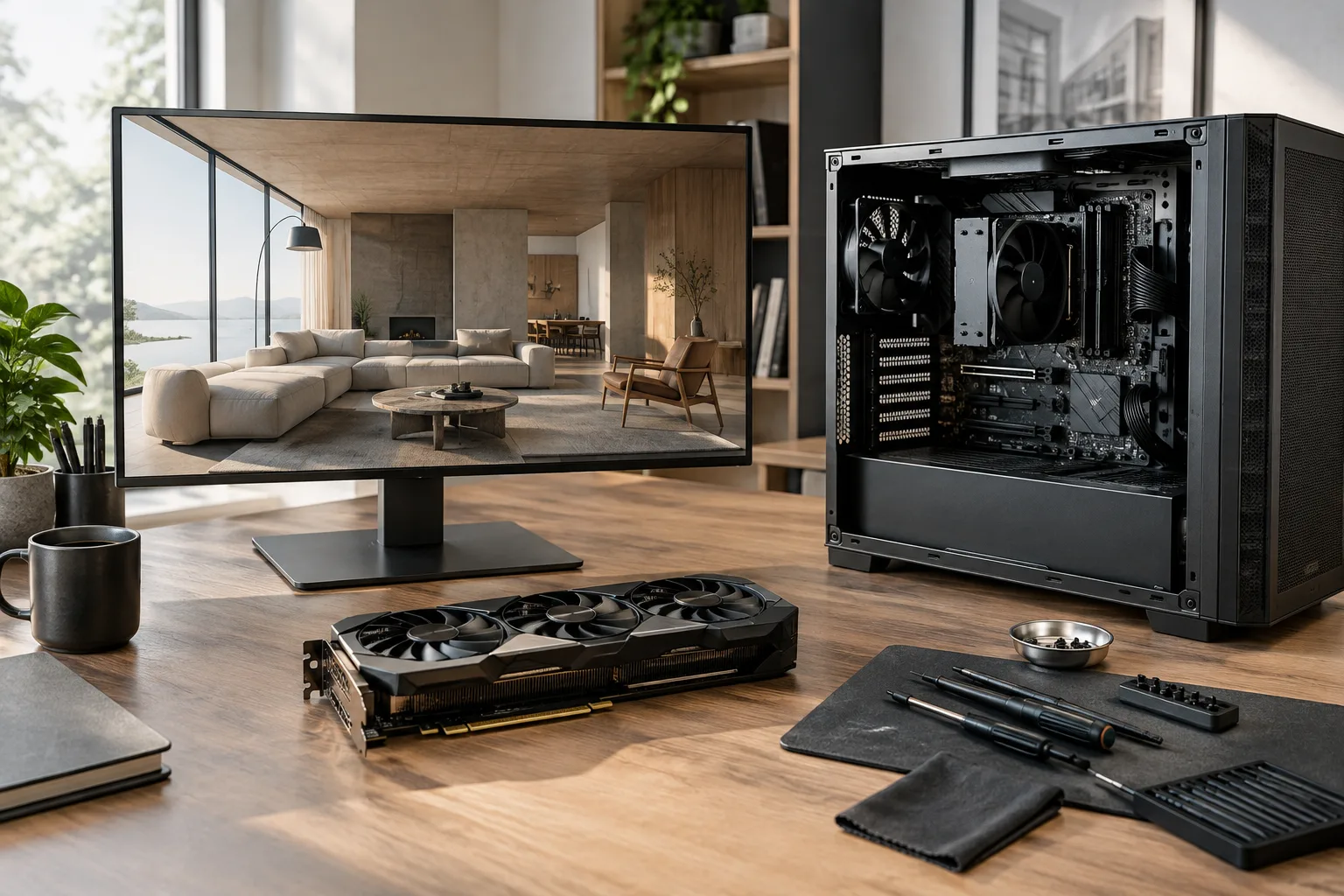
NVIDIA’s official RTX Spark product page in Turkey outlines the technical specifications of a Windows PC platform designed for AI development, content creation, and gaming, and invites users to pre-order. The page does not state an announcement date, price, or exact release date. NVIDIA is offering RTX Spark options for laptops and compact desktop systems, highlighting local AI execution and high memory capacity.
Local AI and high memory capacity
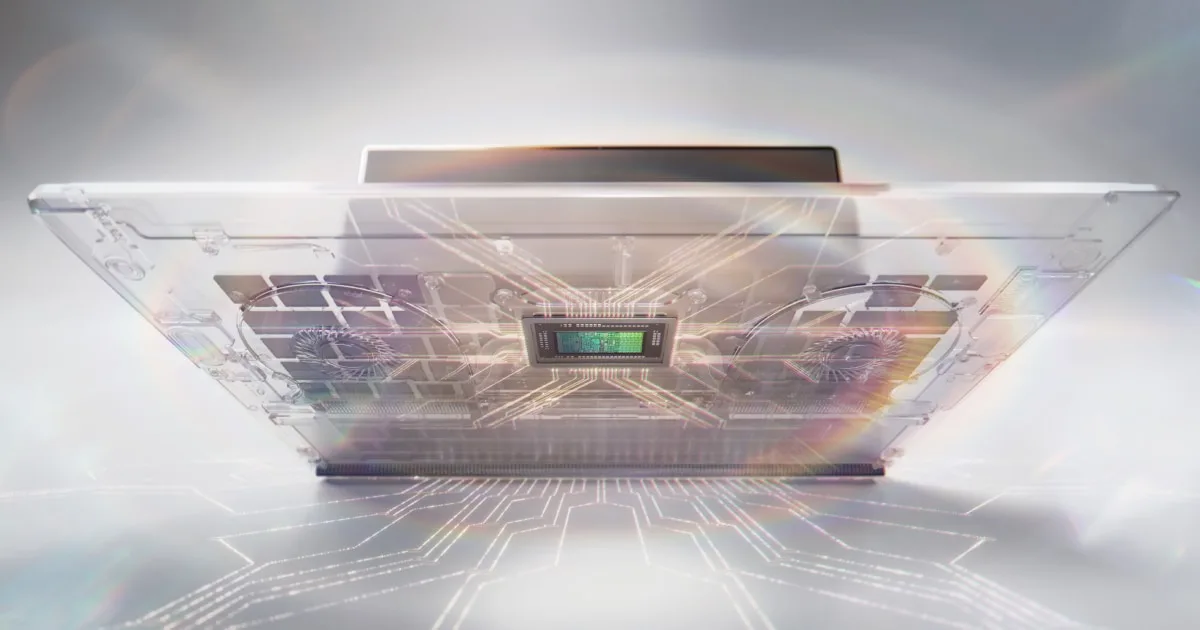
The product page lists up to 128 GB of unified memory and up to 1 petaflop of FP4 AI performance for RTX Spark. NVIDIA says users can run models with up to 120 billion parameters and a context window of 1 million tokens on the device. The page also lists local execution of the CUDA software platform as a key feature.
According to NVIDIA, running models on the computer lets users handle development and prototyping locally. The company also says data can stay on the device, with workloads moved to the cloud when more scale is needed. This positioning shows that the product is intended not only for graphics processing, but also for AI development and running agents.
3D scenes and content creation
One claim of particular interest for architecture, interior design, and visualization workflows is that RTX Spark can process 3D scenes of up to 90 GB. NVIDIA links this capacity to up to 128 GB of unified memory. The page also mentions the contribution of RTX features such as OptiX and DLSS to ray-traced viewport performance.
The manufacturer also promotes RTX Spark for creating content with creative applications and AI tools. For video, the listed capabilities include decoding and encoding for HEVC, H.264, and AV1. However, the product page does not provide a detailed compatibility table for architecture software or performance benchmarks in specific applications. The stated capacity should therefore not be taken to mean that every software package and scene will deliver the same results.
What does it mean for architects and visualization teams?
Visualization artists working with large scenes, teams experimenting with local AI, and users seeking a compact production computer are among the groups RTX Spark is aimed at. The unified memory approach supports the claim that large scenes and models can run on the device. However, the benefits in real-world workflows will depend on the software, scene size, and chosen hardware configuration.
NVIDIA’s page lists different processor, graphics processor, and memory specifications across the RTX Spark family; laptop and desktop configurations also differ. Before buying, users should verify the memory of their preferred model and its compatibility with the 3D software they use. The product’s price, sales conditions in Turkey, and exact release date have not been disclosed on the current page.
The pre-order prompt indicates that the product is moving toward availability, but by itself it provides no information about pricing or delivery schedules. Offices considering RTX Spark should therefore compare the announced maximum specifications directly with the requirements of their own scenes and software.
Sources
1 sourceSource texts are not republished; short quotes are marked, everything else is our own summary and commentary.
RTX Spark’s main promise for architecture and visualization is bringing large scenes and AI workloads together on a local computer, backed by high memory capacity. This is worth a closer look, particularly for teams working with increasingly large scene files and incorporating local model experiments into their workflows.
However, it is difficult for offices in Turkey to make an investment decision before pricing, sales timing, and real-world software compatibility become clear. NVIDIA’s stated maximum specifications alone do not guarantee the same performance on every project. The product’s practical value can be assessed more reliably once configurations, licensing terms, and supported applications are clear.
Frequently asked questions
How much memory does NVIDIA RTX Spark have?
NVIDIA’s product page lists up to 128 GB of unified memory for RTX Spark. Memory capacity varies by configuration.
Can RTX Spark be used for 3D scenes?
NVIDIA says the system can process 3D scenes of up to 90 GB. The page does not provide software-specific compatibility details or performance benchmarks.
Have RTX Spark’s price and release date been announced?
The product page includes a pre-order prompt, but does not specify pricing or an exact release date.