In brief
- The Nano Pro Gen15 features an Intel Panther Lake-based Core Ultra X7 358H processor and integrated Arc B390 graphics.
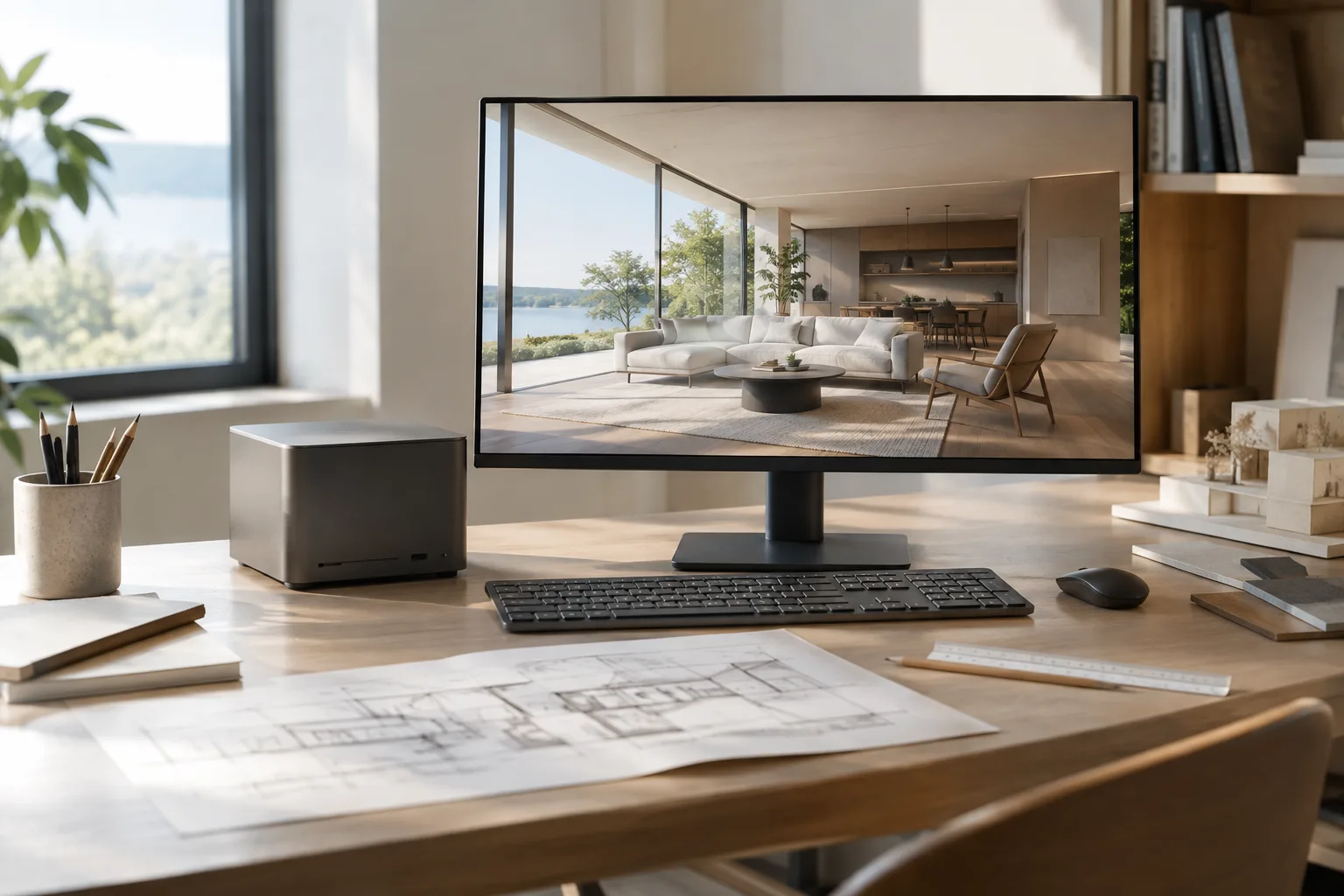
- The mini PC measures 110 × 117.5 × 49 mm; its memory, storage and wireless network card can be upgraded.
- The device includes Wi-Fi 7, Bluetooth 6 and dual 2.5 GbE networking.
- Tuxedo says the system supports up to four displays simultaneously via its USB-C and HDMI connections.
Tuxedo Computers announced its Nano Pro Gen15 mini PC on 31 October 2026. The system features a Core Ultra X7 358H processor from Intel’s Panther Lake family and integrated Arc B390 graphics, and ships with TuxedoOS preinstalled. Tuxedo is targeting developers and users interested in running local AI models; the device can also be used as a gaming PC. Pricing has not been reported in the available sources.
Compact chassis, accessible components
The Nano Pro Gen15 measures 110 × 117.5 × 49 mm. Access to the mini PC’s internal components requires removing four screws. Memory, storage and the wireless network card are listed as upgradeable components. This design is worth noting for users who may want to replace or upgrade parts after purchase.
Tuxedo includes a 120 W external power adapter. However, the source does not state the processor’s actual maximum TDP. As a result, the adapter’s capacity alone cannot be used to draw conclusions about the processor’s sustained power consumption or performance.
Connectivity and display support
Networking includes Wi-Fi 7, Bluetooth 6 and dual 2.5 GbE. The rear panel has a DC power input, two USB 3.2 Gen 2 Type-A ports and two HDMI outputs. HDMI support varies by operating system: the source lists HDMI 2.1 for Windows and, for now, HDMI 2.0b support on Linux.
The front panel features USB4, a USB 3.2 Gen 2×2 Type-C port with DisplayPort 1.4a Alt Mode support, a USB 3.2 Gen 2 Type-A port and a 3.5 mm combo audio jack. Tuxedo says the USB-C and HDMI outputs can be used together to drive up to four displays simultaneously. When planning a display setup, users should account for the HDMI version difference between operating systems.
Its place in architecture and visualization workflows
The compact size and upgradeable components may appeal to offices looking to save desk space, as well as users seeking a portable workstation. The dual 2.5 GbE connections may also be useful for teams working on wired networks. However, the available sources provide no test results for architectural software, rendering performance or application compatibility.
Arc B390 is described as integrated graphics built into the processor; no discrete graphics card is mentioned. For that reason, the device’s suitability for demanding 3D scenes and long rendering jobs cannot be determined from the specifications alone. Before buying, users should also check Linux support for their software, the required GPU capacity and their display connection setup.
Pricing and technical assessment
The available sources do not specify pricing, memory and storage configurations, or a sales date. The processor’s maximum TDP is also undisclosed, and there are no independent benchmarks to validate performance expectations. Tuxedo’s positioning of the product for local AI use is based on the company’s own statements; no data is provided on the speed or capacity of specific models.
As a result, the Nano Pro Gen15’s value for architecture firms will be easier to assess once its price, available configurations, software compatibility and graphics performance under real workloads are known. For now, its standout features are a compact chassis, upgradeable components and a broad selection of display connections.
Sources
1 sourceSource texts are not republished; short quotes are marked, everything else is our own summary and commentary.
The Nano Pro Gen15’s compact chassis and upgradeable memory, storage and wireless network card are practical features for offices looking to use space efficiently. The claim of support for up to four displays may also interest users setting up multi-monitor workstations, but it does not, by itself, prove graphics performance in architectural software.
For visualization teams in Turkey, it would be premature to make a purchase decision before pricing, configurations and real-world rendering tests are available. Linux support and the HDMI version difference also mean that software and display compatibility should be checked in advance. In particular, tests should confirm whether the integrated graphics can handle demanding 3D workloads.
Frequently asked questions
Which processor does the Tuxedo Nano Pro Gen15 use?
It uses a Core Ultra X7 358H processor from Intel’s Panther Lake family. The graphics unit is listed as Arc B390.
How many displays does the Nano Pro Gen15 support?
Tuxedo says it supports up to four displays simultaneously via USB-C and HDMI. The HDMI version varies by operating system.
Has the price of the Tuxedo Nano Pro Gen15 been announced?
The available sources do not specify the product’s price.