In brief
- AMD added the new MI450X GPU to its Instinct MI400 series on 12 November 2026.
- MI430X offers 432 GB of HBM4 memory and 23.3 TB/s of memory bandwidth for scientific computing.
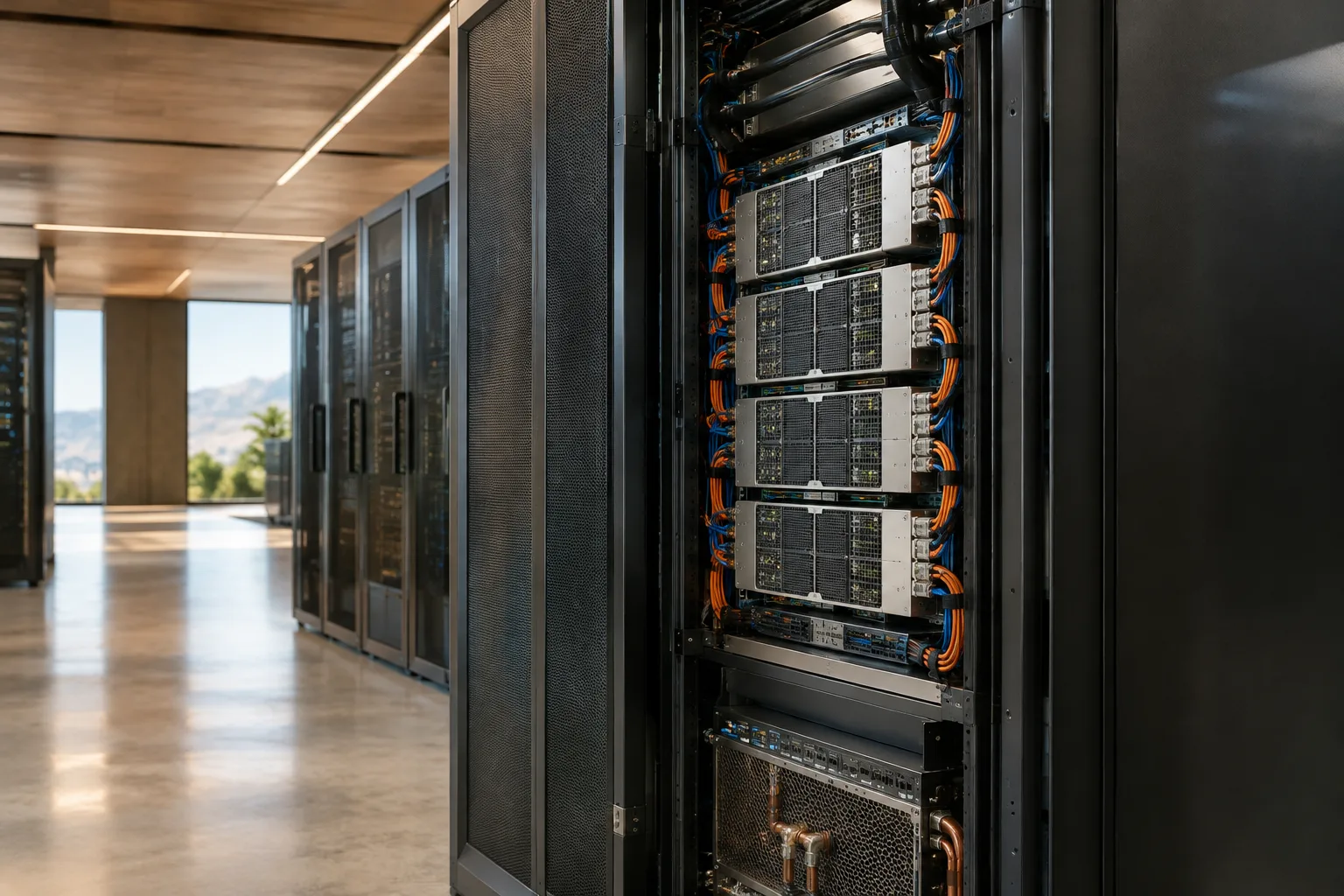
- According to AMD, the MI455X processed 21,333 tokens per second per GPU on DeepSeek-R1 in a Helios rack, delivering up to 30 percent higher throughput than Nvidia Vera Rubin's latest published MLPerf result.
- MI450X offers 288 GB of HBM4 memory while matching the MI455X's core compute and connectivity capabilities.
In an announcement on 12 November 2026, AMD revealed that it is expanding its Instinct MI400 series data center GPU portfolio. The company shared new technical details about the MI430X, designed for scientific computing and AI workloads, disclosed inference performance results measured on its Helios rack-scale system for the MI455X, and added the MI450X as a new model to the lineup.
MI430X focuses on scientific computing
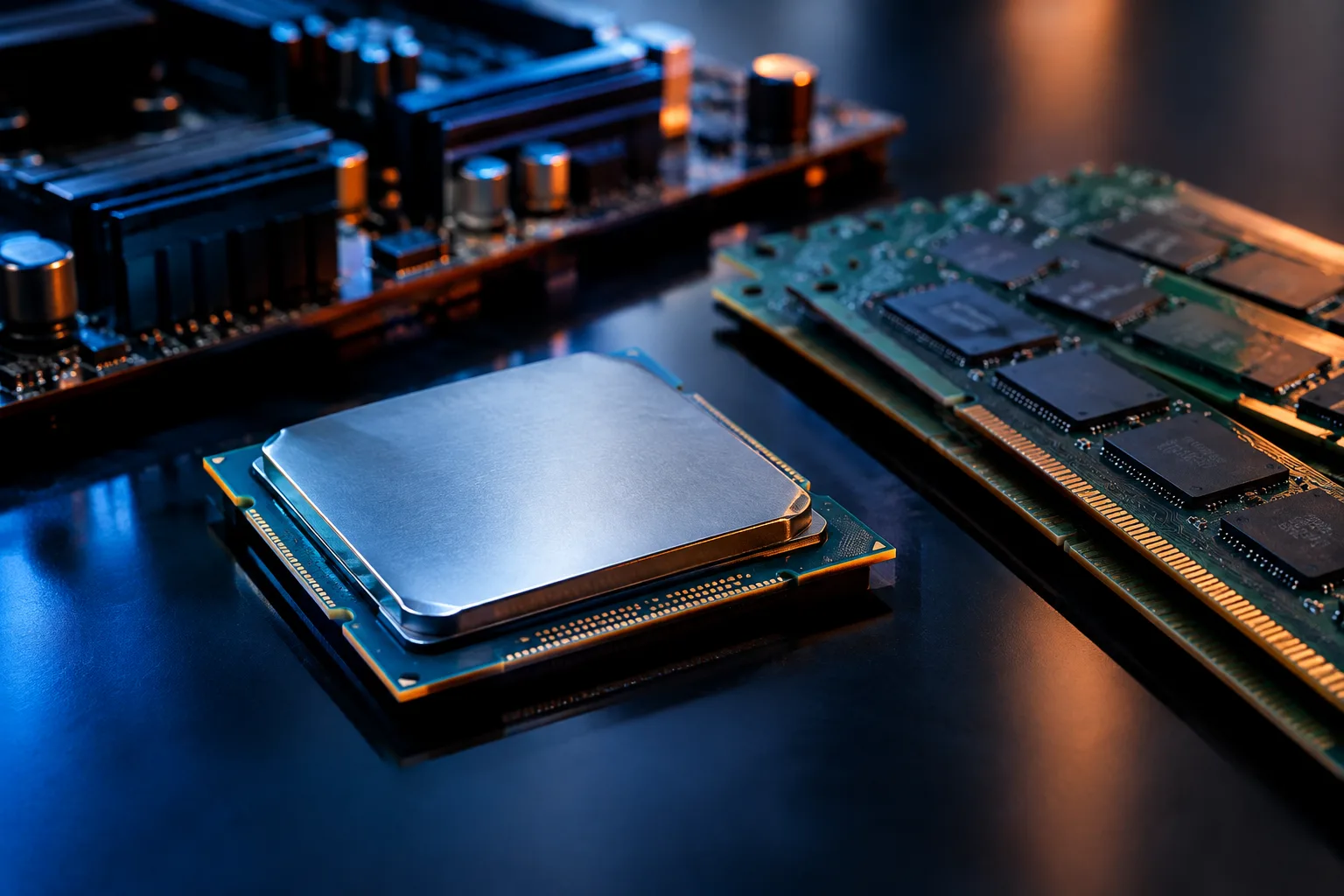
The MI430X was developed for workloads that combine scientific simulation and AI, with support for native double-precision (FP64) computation. The GPU offers 432 GB of HBM4 memory and up to 23.3 terabytes per second of memory bandwidth. AMD stated that it examined 47 different workload configurations across 11 applications and benchmarks, distinguishing between cases where FP64 emulation is sufficient and scientific code that requires native double precision.
Measured inference results for the MI455X
According to test results shared by AMD, the MI455X processed 21,333 tokens per second per GPU on the DeepSeek-R1 model in the MLPerf Inference Offline configuration while running on the Helios rack-scale system. Per the company's statement, this result represents up to 30 percent higher throughput compared to Nvidia Vera Rubin's most recently published MLPerf offline result. AMD also reported that Helios delivers up to 20 percent higher HBM bandwidth and higher scale-up bandwidth compared to Vera Rubin.
New model: MI450X
The MI450X, added to the portfolio, offers 288 GB of HBM4 memory while keeping core compute power, memory bandwidth, and scale-up and scale-out connectivity capacity on par with the MI455X. According to AMD, this model offers an additional option for customers looking to optimize operating costs for workloads that fit within its memory capacity. Both the MI450X and MI455X share the same open rack-scale architecture and AMD ROCm software foundation; the MI455X provides additional memory headroom for use cases requiring larger models, longer context windows, or higher concurrency.
| Model | Memory | Memory Bandwidth | Key Feature |
|---|---|---|---|
| MI430X | 432 GB HBM4 | 23.3 TB/s | Native FP64 scientific computing |
| MI450X | 288 GB HBM4 | Same as MI455X | Option for lower memory-capacity workloads |
| MI455X | Higher capacity (not specified) | Same as MI450X | Claimed advantage in MLPerf inference testing |
Implications for archviz and architecture workflows
This announcement is not directly tied to an architecture software or render engine update; however, these kinds of data center GPUs form the backbone infrastructure behind cloud-based render farms and AI-assisted visualization tools. For architecture firms and archviz studios, there's no direct hardware purchase involved, as these GPUs are aimed at enterprise data centers and cloud providers. Still, the increase in large-scale AI inference capacity could, over the medium term, affect the cost and speed of cloud-based rendering and image generation services. An important point regarding licensing and compatibility is that these GPUs are tied to AMD's ROCm software ecosystem, meaning direct compatibility with existing CUDA-based tools is not provided.
Frequently asked questions
AMD did not share pricing or a general availability date in the announcement; this information has not yet been disclosed.
Sources
1 sourceSource texts are not republished; short quotes are marked, everything else is our own summary and commentary.
AMD's expansion of the MI400 series with the MI450X is part of its effort to intensify competition against Nvidia in the data center market. While architecture and archviz studios won't be purchasing these GPUs directly, the heating up of competition in the infrastructure behind cloud rendering and AI visualization services could affect service pricing and accessibility over the medium term.
What really matters for offices in Turkey is keeping track of which software (ROCm vs CUDA) these hardware developments are compatible with. Right now, most render engines and AI tools on the market remain more dependent on the CUDA ecosystem; how AMD's software support in this area matures will determine the price-performance balance of cloud-based solutions going forward.
Frequently asked questions
What is the AMD Instinct MI450X?
The MI450X is a new data center GPU that AMD announced on 12 November 2026 as an addition to the Instinct MI400 series, offering 288 GB of HBM4 memory and matching the MI455X's core compute and connectivity capabilities.
What do the MI455X's MLPerf results show?
According to AMD's statement, the MI455X processed 21,333 tokens per second per GPU on the DeepSeek-R1 model in a Helios rack system, representing up to 30 percent higher throughput compared to Nvidia Vera Rubin's most recently published MLPerf offline result.
What workloads is the MI430X designed for?
The MI430X was developed for high-precision workloads combining scientific simulation and AI, featuring native FP64 (double-precision) support, 432 GB of HBM4 memory, and 23.3 TB/s of memory bandwidth.