In brief
- CORTAO stands for Circular Occluder Ray-Traced Ambient Occlusion.
- The technique represents nearby visible surfaces as circular occluders.
- Fenris Creations released CORTAO as open source through its Carbon engine framework.
- The studio used the technology in EVE Frontier, a space survival MMO.
Fenris Creations, known for EVE Online, open-sourced its real-time ambient occlusion technique CORTAO through the Carbon engine framework on 13 November 2026. Short for Circular Occluder Ray-Traced Ambient Occlusion, CORTAO focuses on calculating how surfaces in the rendered scene block ambient light. The release includes source code, documentation, and a version optimized for Carbon.
How does CORTAO create a sense of depth in an image?
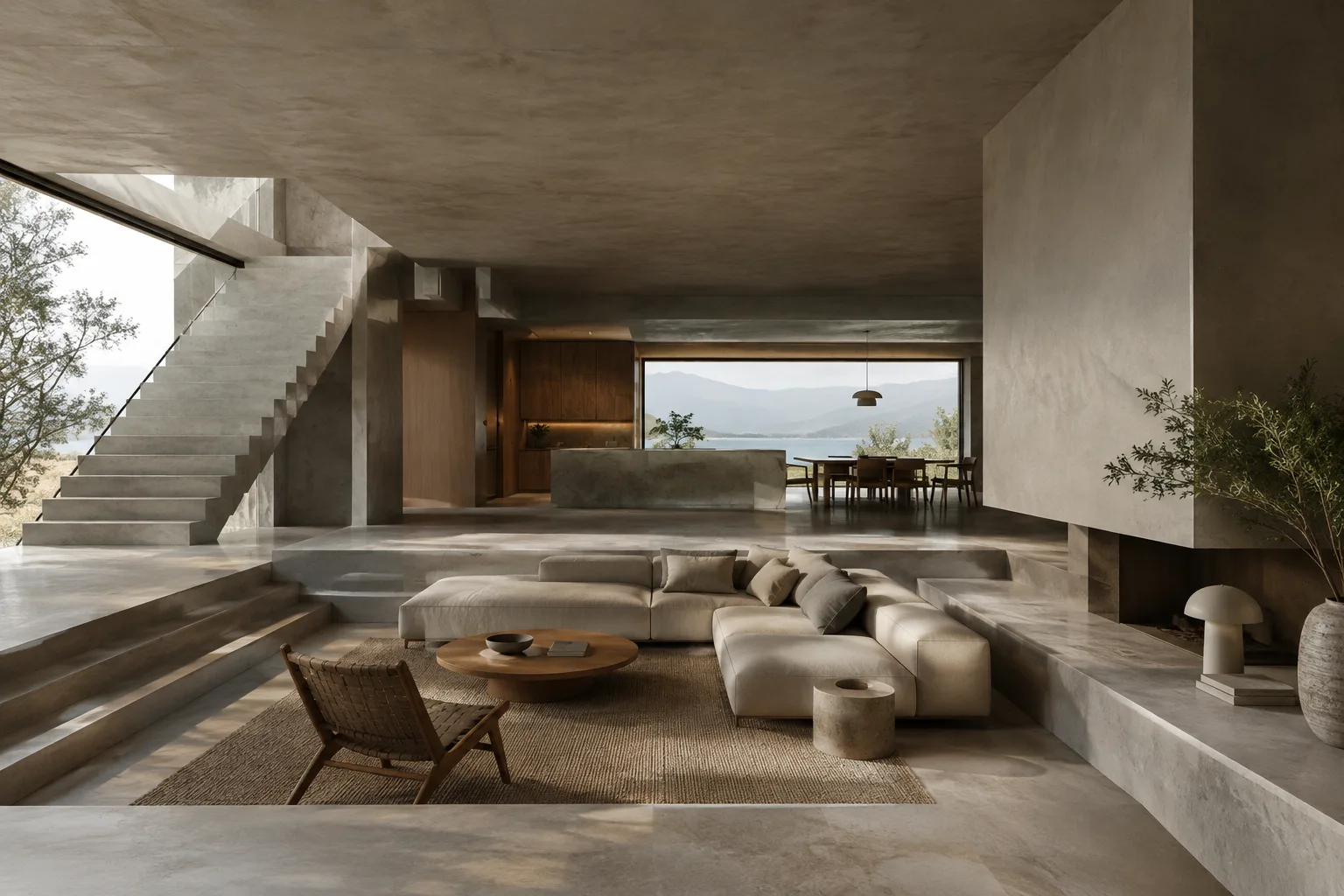
Ambient occlusion adds darkening where nearby surfaces partially block light. This effect can make the relationship between objects and their surroundings, as well as details in a scene’s form, easier to read. CORTAO evaluates surfaces currently visible on screen as circular occluders, calculating how much ambient light they block.
According to Fenris Creations, the method aims to keep computational costs low while preserving visual fidelity in complex scenes. CORTAO’s shading calculations run at render time rather than relying on a precomputed lighting dataset. The developer says this makes the technique well suited to environments that change continuously and can be shaped by users.
The studio also says it can reduce dark halos around objects and distracting changes in shadows as the camera moves. This is an assessment from the technology’s creator; the source article does not provide an independent test methodology or results table.
What differences does the developer highlight compared with GTAO?
Fenris Creations compares CORTAO with Ground Truth Ambient Occlusion (GTAO). The developer says the technique can deliver physical accuracy close to hardware ray tracing while relying only on screen-space information. This should be treated as a claim made by the company about its own technology.
The other differences cited by the studio concern how depth discontinuities are handled in complex scenes and the results at lower sample counts. Fenris Creations argues that when screen-space information is insufficient, CORTAO produces less noticeable artifacts than GTAO. It also claims that the method converges to high-quality results faster at lower sample counts, even in scenes where GTAO performs well—a benefit the studio says matters on lower-end hardware.
From EVE Frontier to an open-source release
Senior Rendering Engineer Daniel Isheden initially developed CORTAO as an independent project. With support from Fenris Creations, the technology later became a production tool. The studio tested the method in EVE Frontier. The upcoming space survival MMO features vast open areas, large-scale battles, massive structures, and enclosed interiors.
The release includes CORTAO’s original source code and documentation, along with a version adapted for Carbon. Open-source access allows graphics programmers to examine the technique, adapt it for their projects, and contribute to its development. However, the source does not include details about licensing terms, compatibility with specific software, or a ready-made plugin for architectural visualization tools.
What does this mean for architectural visualization workflows?
For architects, interior designers, and archviz teams working on contact shadows and depth perception in real-time scenes, CORTAO offers a technical approach worth evaluating. Its independence from precomputed lighting data may be particularly relevant in scenes that change frequently. However, that feature alone does not mean the technique can be used in existing architectural visualization software.
Teams exploring the implementation should first verify compatibility with their engine, hardware requirements, and the terms of the open-source license. Testing can cover not only still images but also shading stability during camera movement and results in complex scenes. These are directly relevant to the performance and image-quality areas Fenris Creations highlights for CORTAO.
Sources
1 sourceSource texts are not republished; short quotes are marked, everything else is our own summary and commentary.
Sharing CORTAO’s source code and documentation gives teams researching real-time shading techniques a starting point to explore. Its independence from precomputed lighting data in changing scenes could also be useful, but it does not mean the technique is ready to integrate into archviz software.
For offices and visualization professionals in Turkey, decisions should wait until compatibility, hardware requirements, and licensing terms are clear. Starting with a small-scale test can help assess the developer’s quality and performance claims within an existing workflow. It is also important to treat the comparison with GTAO as the creator’s own claim.
Frequently asked questions
What is CORTAO?
CORTAO is a real-time ambient occlusion technique that represents visible surfaces as circular occluders and calculates how they block ambient light.
Where was CORTAO released as open source?
Fenris Creations shared CORTAO through its Carbon engine framework. The release also includes source code, documentation, and a version optimized for Carbon.
Can CORTAO be used in architectural visualization software?
The source provides no information about compatibility with specific archviz software or a ready-made plugin. Engine compatibility and licensing terms should be checked before use.