In brief
- Toonflow is offered as an MIT-licensed open-source platform for short dramas, motion comics, and video production.
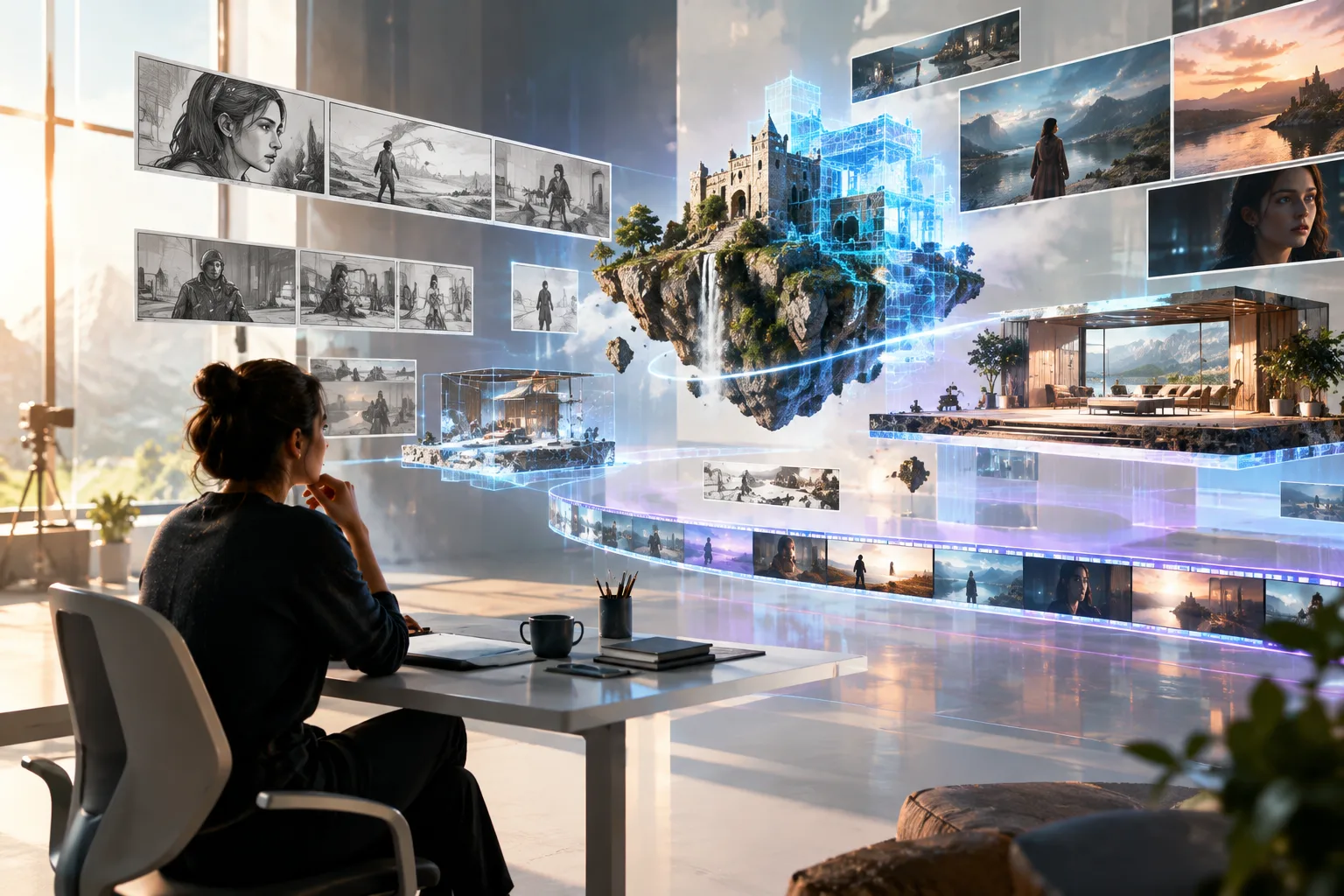
- The platform includes a 'TrumanMap pre-visualization' feature that automatically generates 3D sets, storyboards, and blocking when a script is pasted in.
- Models like Seedance, Seedream, MiniMax, and Wan are built in; third-party APIs, local LLMs, and ComfyUI can also be connected.
- Toonflow, which runs on Windows, macOS, Linux, Android, and Docker, is offered in 22 interface languages.
What is Toonflow?
According to documentation published on GitHub, Toonflow is an open-source AI platform developed for short dramas, motion comics, and video production. The project's documentation states that it aims to unify the entire creative workflow—from script writing to asset management, image and video generation, and editing—on an 'infinite canvas.' The software is distributed under the MIT license, meaning it can be run for free on your own server, though the use of some third-party model APIs may incur costs.
What are the standout features?
One of the standout features listed in the platform's documentation is the 'TrumanMap pre-visualization' tool, which automatically generates a 3D set, storyboard, and blocking (camera/character placement) when a script text is pasted in. According to the documentation, this feature offers automatic shot planning based on dialogue lines and live monitor view/subtitle support. Other features include:
Infinite canvas: Scripts, characters, scenes, and video clips can be connected within a single workspace.
AI assistant: An assistant that can read and edit the canvas is offered, operating with Model Context Protocol (MCP) and A2A protocols.
Model flexibility: Models such as Seedance, Seedream, MiniMax, and Wan come built in; third-party APIs, local LLMs, and ComfyUI can also be connected.
Plugin marketplace: Nodes, tools, and skills can be added with a single click.
Which platforms does it run on?
Toonflow can be installed on Windows, macOS, Linux, Android (ARM64 only), and Docker. The Docker installation requires Git, Docker Engine, and Docker Compose; the image is built with Bun 1.4.3 and includes FFmpeg. Direct installation support is available for Apple Silicon devices on macOS; if a security warning appears, the documentation recommends granting approval via the Privacy & Security settings or removing the quarantine attribute via a terminal command. The platform is offered in 22 interface languages, with Turkish among the supported languages.
Video production pricing from sponsors
Some of the sponsors supporting the project share their per-second pricing for the H3 video generation model in the documentation:
| Provider | Resolution | Price (per second) |
|---|---|---|
| Metaso | 768P | ¥0.09 |
| Metaso | 2K | ¥0.15 |
| CompShare | 768P | ¥0.08 |
These prices are based on the companies' own statements and are given in CNY (Chinese yuan).
What does this mean for architecture and archviz circles?
Toonflow is explicitly described in its documentation as a tool geared toward short drama, comic, and video production; no specific use case for architecture, interior design, or archviz workflows appears in the sources. Still, the platform being open-source and MIT-licensed allows organizations to run the software on their own servers for free, giving them control over their data. On the other hand, the pricing examples in the documentation suggest that using features like TrumanMap and the connected AI models (Seedance, Seedream, MiniMax, Wan) may require GPU infrastructure or a third-party API subscription. Therefore, interested studios should separately examine the license terms, hardware requirements, and the cost structure of the model providers they plan to connect to when evaluating the platform.
Sources
1 sourceSource texts are not republished; short quotes are marked, everything else is our own summary and commentary.
Toonflow presents a notable approach by bringing together the visual/video production workflow—from script writing to 3D pre-visualization—within a single open-source environment. For studios in Turkey, the real value lies in local deployability and the flexibility of the MIT license; however, the fact that most of the built-in models are tied to China-based providers (Seedance, Seedream, MiniMax, Wan) means that data policies and API costs need to be carefully examined for institutional use.
While the platform isn't designed specifically for architecture or archviz, it's an open-source initiative worth following closely for teams interested in 3D scene and storyboard generation. However, incorporating it into a production pipeline before its maturity, community support, and Turkish interface quality have been tested could be risky; evaluating it first with a small-scale pilot project is advisable.
Frequently asked questions
Is Toonflow free?
Toonflow is MIT-licensed and can be run for free on your own server; however, using third-party model APIs like Seedance, Seedream, and MiniMax may incur costs.
Which operating systems does Toonflow run on?
The platform can be installed on Windows, macOS, Linux, Android devices with ARM64 architecture only, and Docker.
What does Toonflow's AI assistant do?
According to the documentation, the assistant can read and edit the infinite canvas and supports the Model Context Protocol (MCP) and A2A protocols.