In brief
- The D270 is described as the top SKU in the Intel Crescent Island D-series.
- The GPU features 32 Xe3P cores, 256 XMX engines and 32 MB of unified L2 cache.
- Xe3P’s XMX engines use 16-stage processing, rather than the four-stage systolic design of standard Xe3.
- Intel says the card is designed for AI inference; the source provides no pricing or release date.
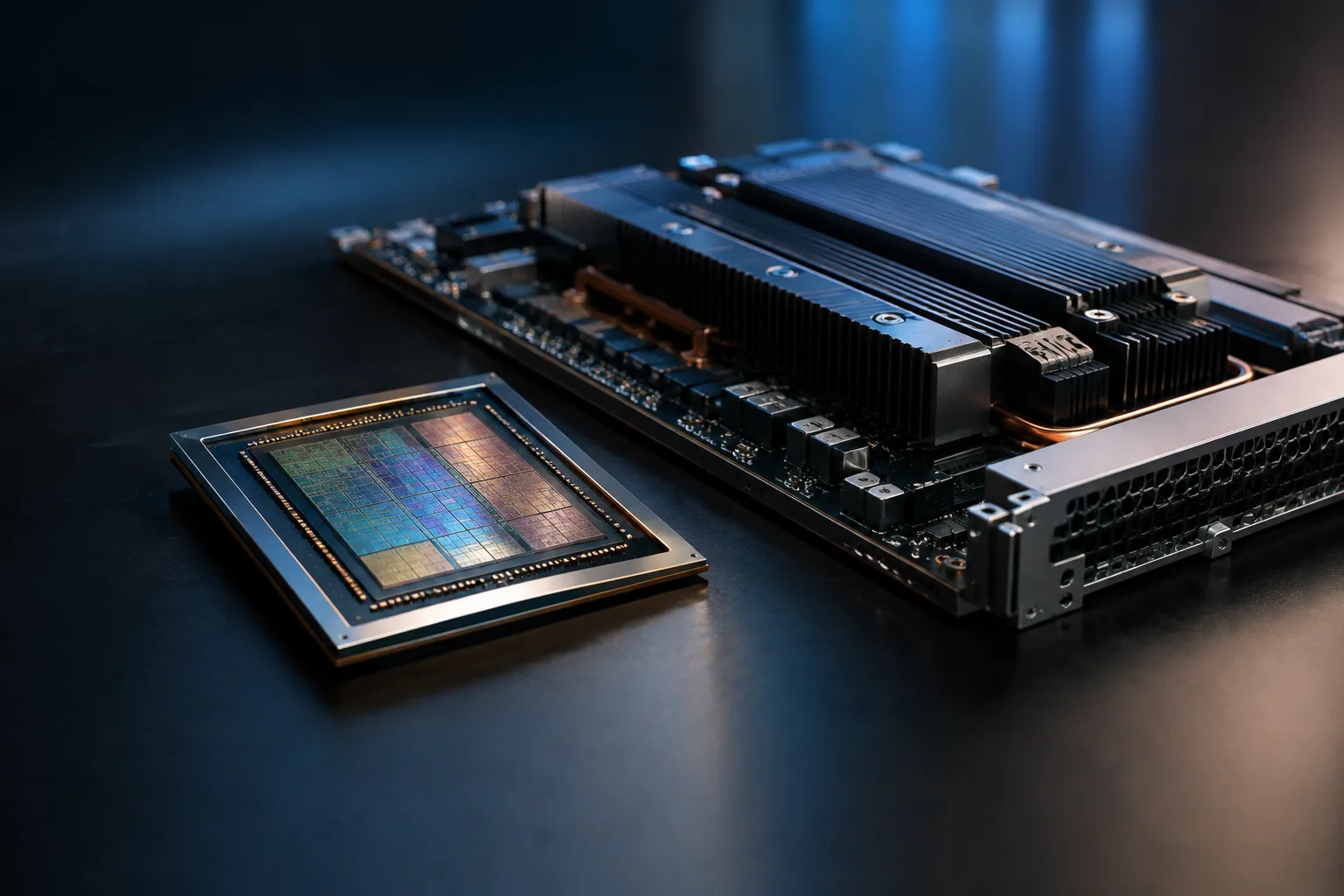
Intel’s D-series “Crescent Island” graphics cards, announced for AI inference, are back in the spotlight after an image of the top model, the D270, was shared. According to TechPowerUp, an image added to Intel’s website shows the card’s GPU as a bare die. The report lists 32 Xe3P cores, 256 XMX engines and 32 MB of unified L2 cache for the D270. The source does not specify when Intel made the announcement, or provide the card’s price or release schedule.
What hardware does the D270 include?
The D270 is described as the top SKU in the Crescent Island D-series. Its GPU is based on the Xe3P microarchitecture. TechPowerUp says the die image points to a chip that does not appear as large as one might initially expect; however, the source provides neither the die’s physical dimensions nor comparative measurements against other GPUs. It is therefore not possible to draw conclusions about performance or efficiency from the image alone.
The published specifications are limited to core, engine and cache counts: the D270 has 32 Xe3P cores, 256 XMX engines and 32 MB of unified L2 cache. The source says the product is designed for AI inference. It does not provide information about gaming, traditional 3D rendering or compatibility with specific architectural software.
What’s changing with the XMX engines?
The architectural detail highlighted in the report is the processing layout used by Xe3P’s XMX engines. According to TechPowerUp, these engines have moved from the four-stage systolic design in standard Xe3 to a 16-stage processing structure. This describes the product’s technical approach, but the source does not report measured results showing how the change affects speed or quality in applications.
As a result, 256 XMX engines and the new processing layout do not, by themselves, indicate a specific performance level. Assessing real-world workloads will require the product to become available, independent tests to be published, and supported software and system requirements to be disclosed. The source provides no details on these points.
What it means for architecture and archviz workflows
The Crescent Island D270 is not being announced as a dedicated render card; the source positions it as a graphics card for AI inference. For architecture firms and visualization teams, its potential relevance is therefore less about any proven improvement to current render times and more about tracking the specifications of hardware that could be used for AI inference workloads.
Although the number of XMX engines and Xe3P’s processing layout may be of interest to archviz artists, the source does not mention integration with specific production tools, a list of compatible software or rendering performance. Before making a purchasing decision, firms should wait for details on the card’s price, availability, system requirements and compatibility with the applications they use. None of this information is available in the source provided.
Questions still unanswered
Intel is reported to have announced its Crescent Island D-series cards, but the D270’s release date and price have not been specified. The GPU die image also does not replace a full specifications list: physical dimensions, test results and application support have not been disclosed. For now, the confirmed details are limited to the D270 being based on Xe3P, featuring 32 Xe3P cores, 256 XMX engines and 32 MB of unified L2 cache, and being designed for AI inference.
Sources
1 sourceSource texts are not republished; short quotes are marked, everything else is our own summary and commentary.
The D270 die shot and its basic specifications offer a useful starting point for teams following Intel’s inference-focused GPU strategy. But 32 Xe3P cores or 256 XMX engines alone do not guarantee faster archviz workflows; the report provides no performance tests in rendering applications or compatibility details.
For firms and visualization professionals in Turkey, the most sensible approach at this stage is to hold off on purchasing decisions and wait for information about pricing, availability, hardware requirements and compatibility with the software they use. Teams working with inference workloads should also avoid treating the manufacturer’s specifications as equivalent to real-world workflow performance until independent tests are available.
Frequently asked questions
What are the Intel Crescent Island D270’s specifications?
The D270 has 32 Xe3P cores, 256 XMX engines and 32 MB of unified L2 cache. It is designed for AI inference.
When will the D270 launch, and how much will it cost?
The source does not provide a release date or price for the D270.
Is the Crescent Island D270 suitable for archviz rendering?
The source positions the D270 for AI inference. It does not provide information about rendering performance or compatibility with architectural visualization software.