In brief
- Maia 300 has eight HBM4 stacks and 288 GB of memory in total.
- Memory bandwidth is reported at 18 TB/s, while the scale-up link provides 3.2 TB/s of bidirectional bandwidth.
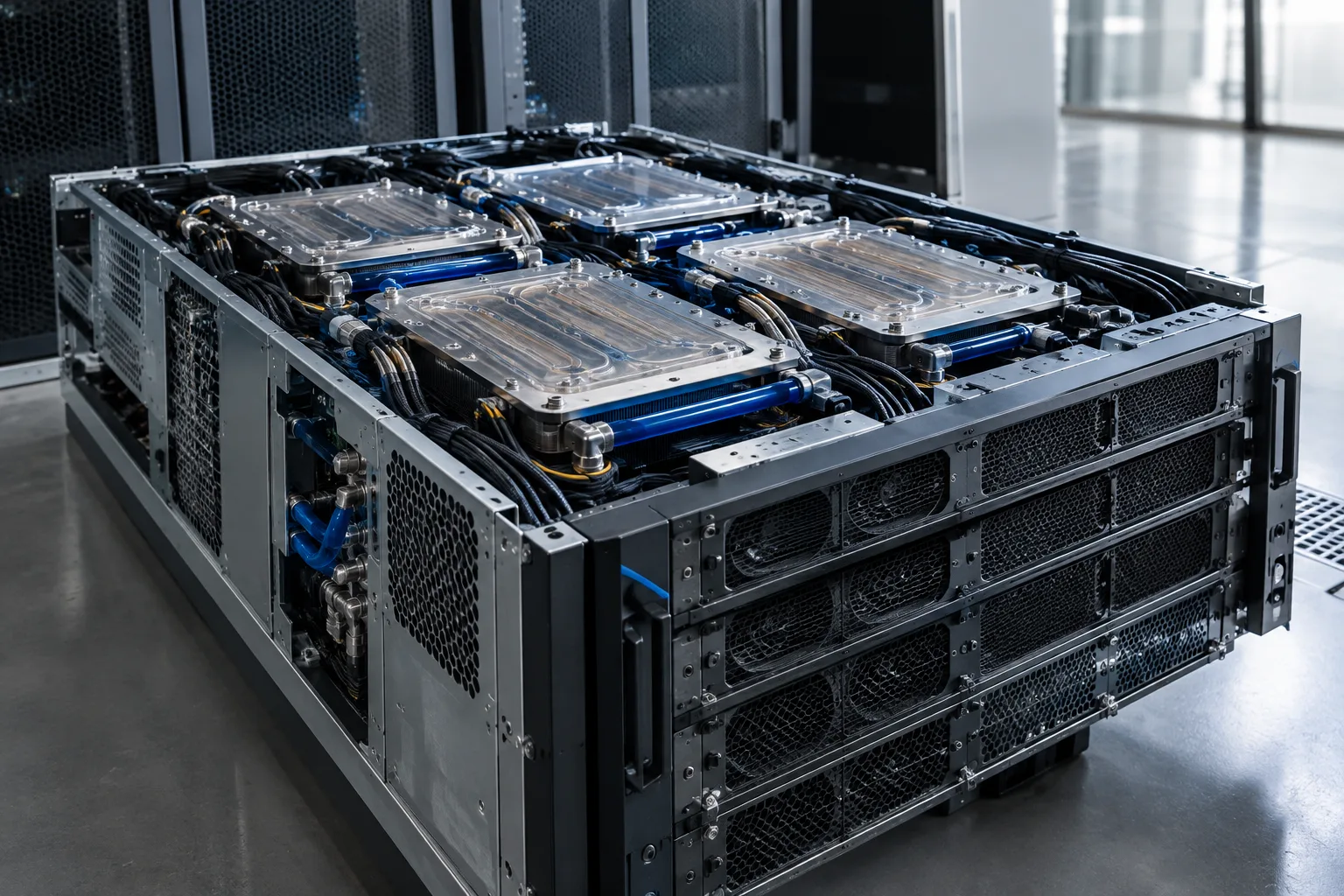
- The node shown at OCP 2026 contains four accelerators.
- The accelerators are cooled by liquid-cooled cold plates, while components such as the CPU and SSDs are cooled by a fan system.
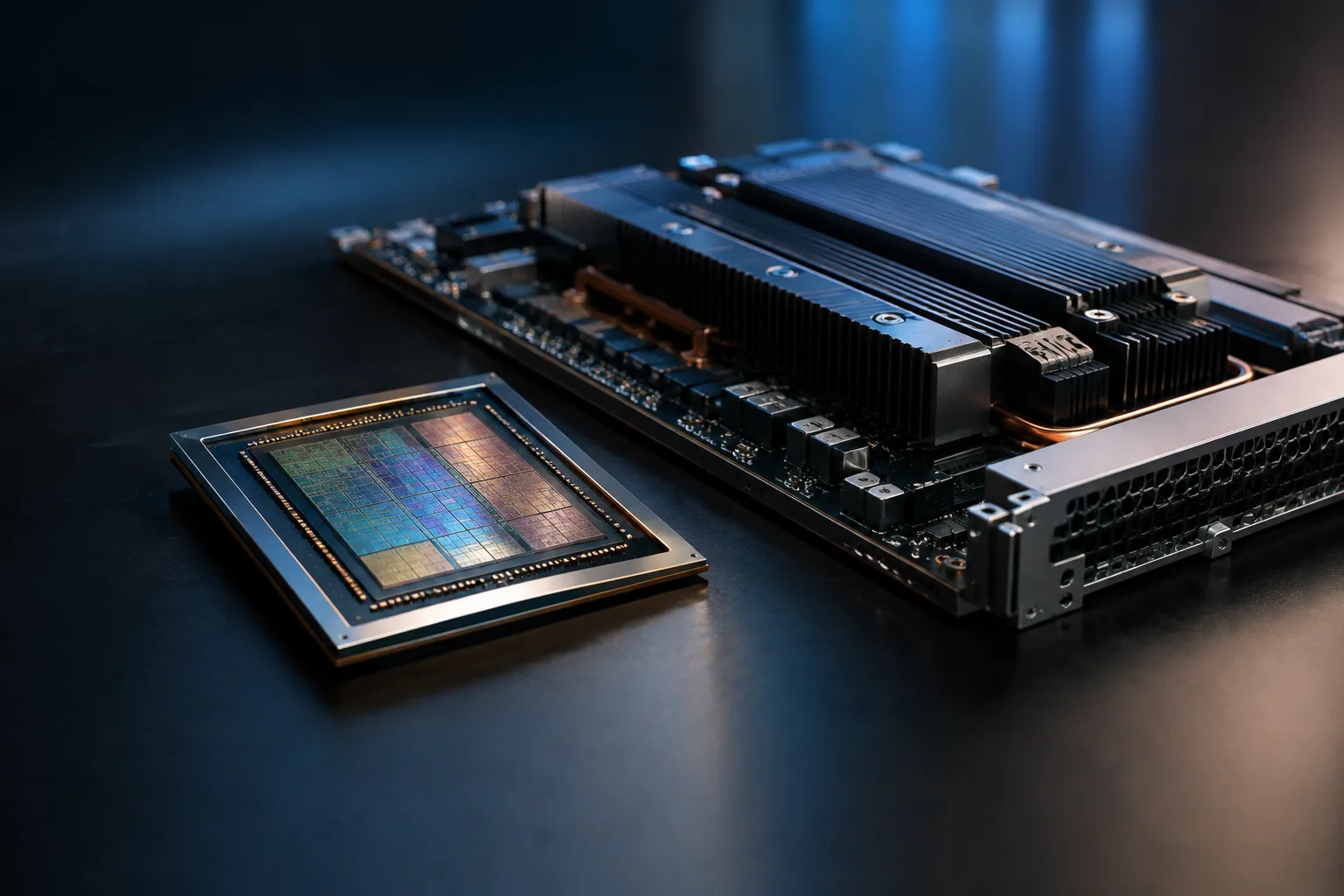
Microsoft’s Maia 300 AI accelerator was shown at OCP Summit 2026 in a four-accelerator system node. Maia 300 is presented as the latest-generation chip in the company’s in-house accelerator platform. According to a report from OCP 2026, Microsoft showed not only the chip at the event but also the server node that houses it. The source does not specify which day the demonstration took place.
What are the Maia 300’s memory and interconnect specifications?
The chip has eight HBM4 memory stacks and 288 GB of memory in total. The source lists memory bandwidth at 18 TB/s and the scale-up link’s bidirectional bandwidth at 3.2 TB/s. These figures highlight the disclosed specifications for Maia 300’s memory and system interconnect capacity.
According to the information reported from Microsoft, a rack can accommodate 96 Maia accelerators. The company also says the scale-up domain can reach approximately 12,000 accelerators. The node shown at OCP is not the full-scale configuration, but an example system with four accelerators.
Node cooling and physical design
Each accelerator is reported to have a TDP of 950 W. The accelerators are cooled by liquid-cooled cold plates, but not every component in the node uses liquid cooling. CPUs, SSDs, OCP NIC 3.0 devices and some components around the accelerators are cooled by a large fan bank spanning the chassis.
At the rear of the system are a busbar-style power connection, blind-mate liquid-cooling connections and the scale-up network. The node also has a PCIe interconnect structure and numerous cables. The source speculates that some of the cables may be UltraPass interconnects, but does not present this as a confirmed technical specification.
With each accelerator installed on a separate PCB, the system is described as approximately 1.5 times the width of a standard OU. The report says this design does not reach the dual-wide form factor of AMD Helios. These details show how the node’s cooling and connectivity requirements are reflected in its physical design.
What this means for architecture, interior design and archviz workflows
Maia 300 is not a workstation product announced for architecture firms or visualization artists; the report describes it as a server-scale AI accelerator platform. The source provides no information about compatibility with architecture or visualization software, individual purchasing options, or direct use in these fields. As a result, it is not possible to infer a direct workflow change for architecture and archviz teams.
For firms, the areas to watch include availability, the software ecosystem, compatibility and licensing terms. The report considers the possibility that Microsoft could build a developer ecosystem and start selling Maia, but does not say that the company has announced such a sales plan. The high power consumption and liquid-cooling requirements also underscore the importance of system infrastructure when evaluating the product.
What is known about pricing and availability?
The source provides no pricing or release date for Maia 300. It also does not report a confirmed plan for Microsoft to make the product generally available. The report discusses the possibility of building a developer ecosystem and offering lower-cost systems, but these are not announced products or sales options.
Sources
1 sourceSource texts are not republished; short quotes are marked, everything else is our own summary and commentary.
Maia 300 does not appear to have an immediate, direct use case for architecture and visualization teams; the system on display is aimed more at server infrastructure than desktop workstations. However, its memory capacity, bandwidth and node scale are useful indicators for firms tracking the hardware requirements of AI workloads.
For teams in Turkey, its practical value will become clearer once access, cost, software support and licensing terms are known. Since the source provides no information on these points, it makes more sense at this stage to watch for announcements about compatibility and sales models than to plan a purchase.
Frequently asked questions
How much memory does Microsoft Maia 300 have?
Maia 300 has eight HBM4 stacks and 288 GB of memory in total. Memory bandwidth is reported at 18 TB/s.
How many accelerators are in the Maia 300 node shown at OCP 2026?
The system node on display contains four Maia 300 accelerators.
Are Maia 300’s price and release date known?
The source provides no pricing or release date. It also does not report a confirmed sales plan.