In brief
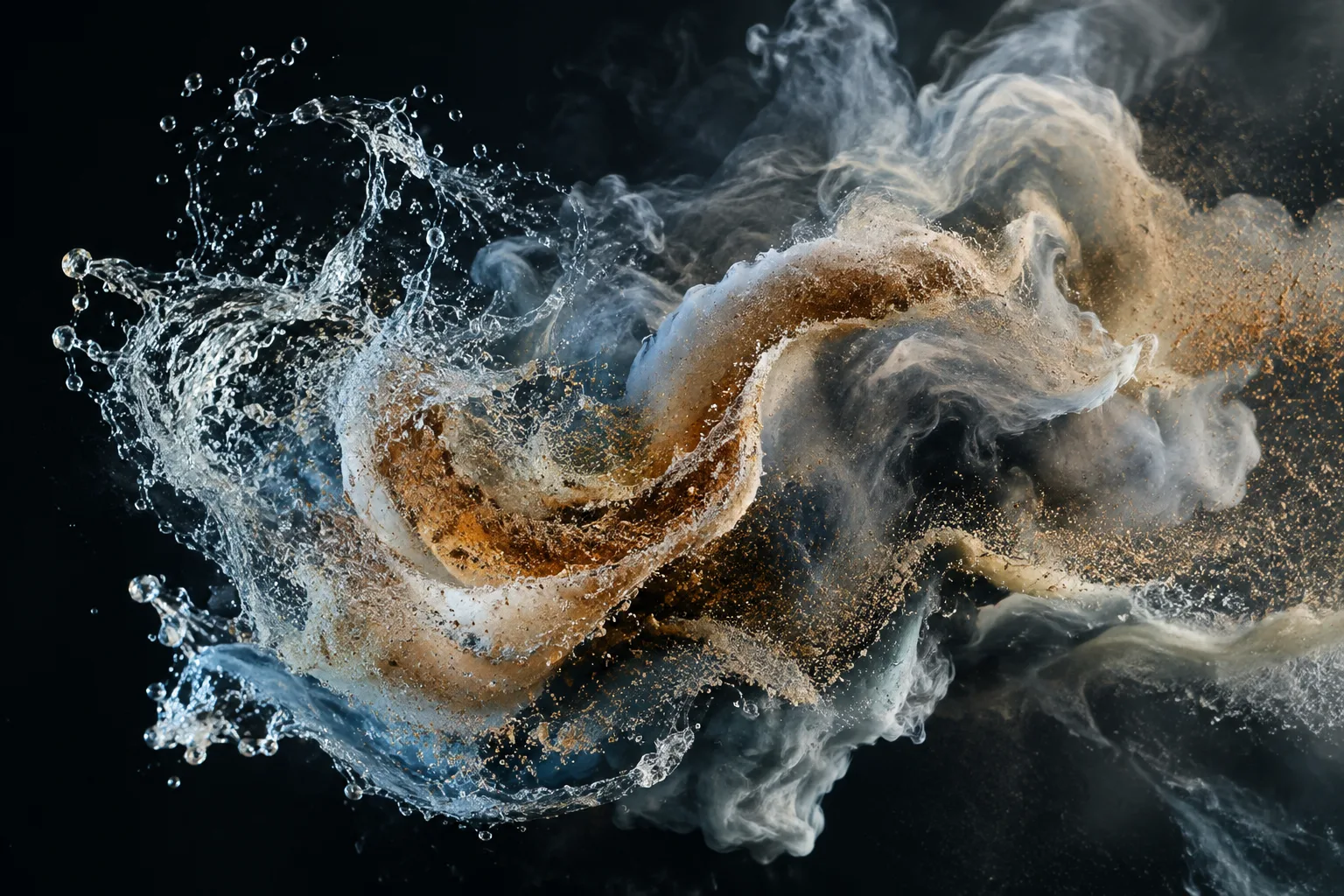
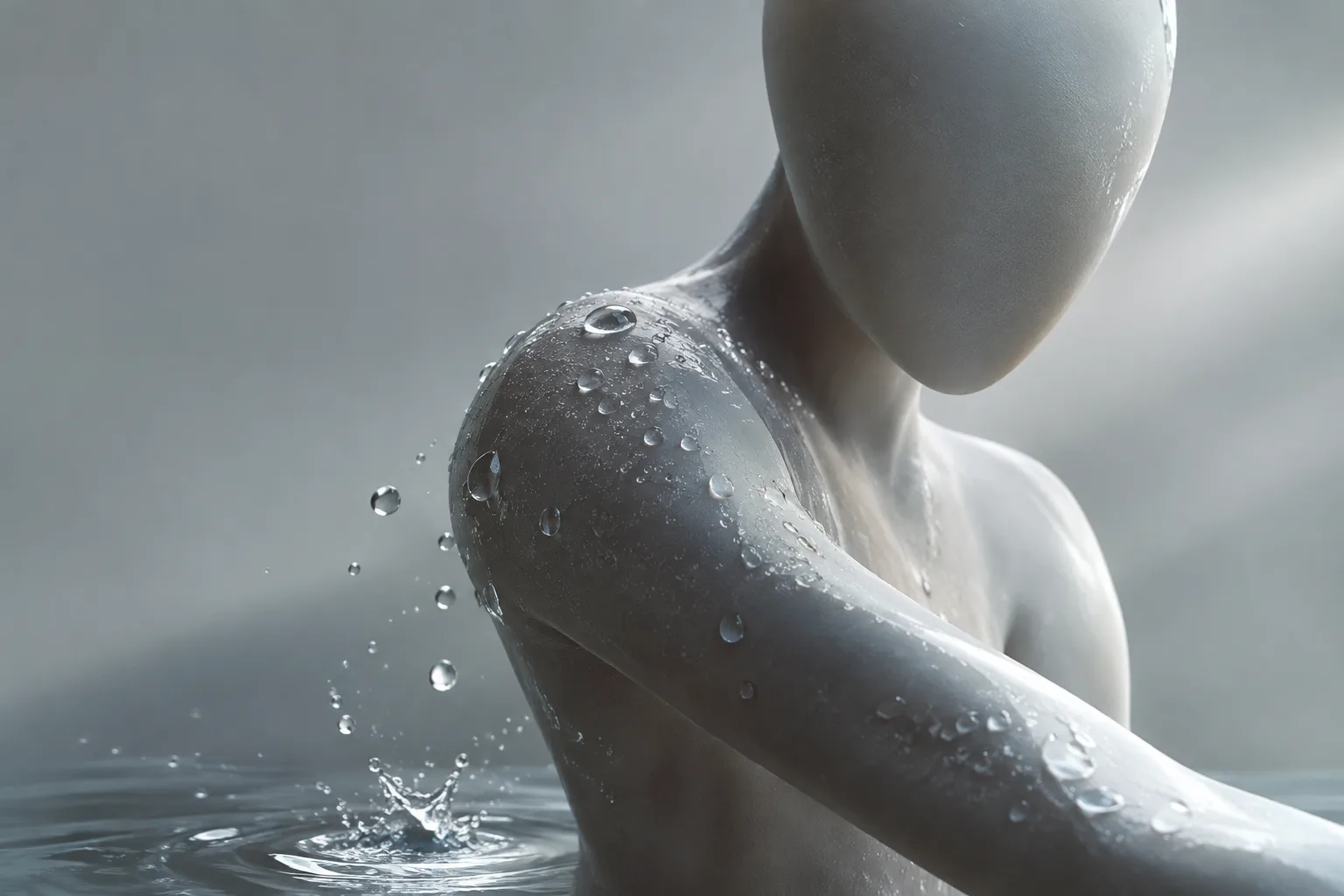
- Milad Sãvar’s research focuses on water clinging to, dripping from and splashing off animated characters.
- The study uses custom VEX and SOP Solver setups for collision, particle controls, POP Fluid and Gas Tension methods.
- Sãvar used custom VEX controls to set particle velocity and position targets.
- The HIP file for the research was shared; the source does not specify its license or Houdini version.
In its 5 October 2026 report, 80 Level covers an R&D project by senior FX artist Milad Sãvar, who researched how water behaves on animated characters in Houdini. The work explores procedural workflows developed to make water cling to character surfaces, accumulate, drip and splash. The character animation featured in the report was created by Creative Technologist Alessandro Cracolici.
What does the research focus on?
The central subject of the work is how to convincingly show water interacting with a character’s surface as it moves. Sãvar tested different setups to control water that remains on the surface and droplets that detach from the character. The shared information does not explain which scene conditions favor each approach or how the methods compare.
Custom VEX and SOP Solver methods are used to handle collision behavior. The research also includes particle controls for managing how water clings to the character’s body and how droplets break away in splashes. These techniques illustrate different control points in the project, but the source does not identify any one method as the recommended or most successful option.
Which Houdini techniques were used?
The techniques shared by Sãvar include POP Fluid and Gas Tension workflows. Custom VEX controls are used to set particle velocity and position targets, and direct noise sampling from the source was also tested. The report provides no further details about how this sampling affected the results or what settings were used.
The work also addresses the cleanup stage after simulation: post-processing methods are used to fill gaps between particles. In this way, the research covers not only setting up water motion but also correcting gaps in the resulting particle distribution. However, the source provides no processing times, performance measurements or detailed parameters for the techniques, so their efficiency cannot be compared.
Sãvar also made the HIP file associated with the research available. The file offers an opportunity to inspect the work’s setups. However, the source does not specify which Houdini version the file is compatible with, its usage license or the hardware required to open it.
Implications for architectural visualization and 3D workflows
The research is not directly aimed at architectural visualization; it focuses on water effects for animated characters. Still, artists creating architectural promotional films or other animated 3D work featuring characters may want to explore the techniques for surface interaction and droplet control. The study should not be interpreted as a ready-made effects solution for architectural scenes.
Teams considering testing the HIP file in their production workflow should first check its compatibility with their Houdini setup and review its usage terms. The source does not provide version, license or hardware information, nor does it include performance measurements. For that reason, it would be more prudent to examine the file in a controlled test scene before incorporating it directly into a project.
Sãvar’s other water studies
The report briefly mentions some of the artist’s other setups, including custom wave-curve simulations developed with Copernicus and a large-scale ocean overflow inspired by the film Kingdom of the Planet of the Apes. These are presented as separate projects from the research into water on character surfaces.
The main value of the post is that it presents several procedural control options for water effects accompanying character animation. However, since it provides no further information about production speed, the file’s technical requirements or its usage terms, the HIP file itself needs to be inspected before deciding whether to use the techniques.
Sources
1 sourceSource texts are not republished; short quotes are marked, everything else is our own summary and commentary.
This work does not offer a direct solution for architectural visualization teams, but it is worth exploring from a technical perspective for artists creating character-led promotional films and animated 3D scenes. Treating water clinging to a surface, dripping and splashing as separate control areas could give artists working on similar effects room to experiment.
For offices and visualization teams in Turkey, compatibility with their current Houdini setup and the file’s usage terms are key considerations. Since no version, license, hardware requirements or performance information has been shared, the best approach is to test the HIP file on a small scale before moving it into production.
Frequently asked questions
What does Milad Sãvar’s Houdini research examine?
It explores procedural workflows for water clinging to, accumulating on, dripping from and splashing off animated character surfaces.
Was the HIP file for the research shared?
Yes. Sãvar shared the HIP file associated with the work. The source does not specify its license or compatible Houdini version.
Which Houdini techniques are used in the study?
The report covers custom VEX and SOP Solver setups for collision, particle controls, POP Fluid, Gas Tension, noise sampling from the source and post-processing to fill gaps.