Tutorials · Page 6
 AI image
Importing a Scene into Unreal Engine with Datasmith: Scale, Surfaces and Lighting
This guide explains how to check scale, naming, surface orientation and lightmap UVs in architectural scenes imported into Unreal Engine with Datasmith. You can troubleshoot common visibility and lighting issues by starting with the source application.
 AI image
Blender Render Passes and Compositing: Post-Process Architectural Images
Rendering separate passes in Blender and combining them with Compositor nodes lets you make targeted adjustments to specific elements and image properties in architectural visuals. This guide covers the basic setup and key considerations.
 AI image
Architectural Image Generation with Nano Banana 2.1: 5 Prompts and a Workflow
Nano Banana 2.1 can generate images from text and edit images you upload. This guide covers writing clear prompts for architectural and interior design concepts, working with reference images, and iterating on results.
 AI image
Using Blender Asset Browser: Build and Organize an Asset Library
Blender Asset Browser lets you organize objects, materials and collections as reusable assets. This guide covers creating assets, setting up libraries and catalogs, and choosing import methods.
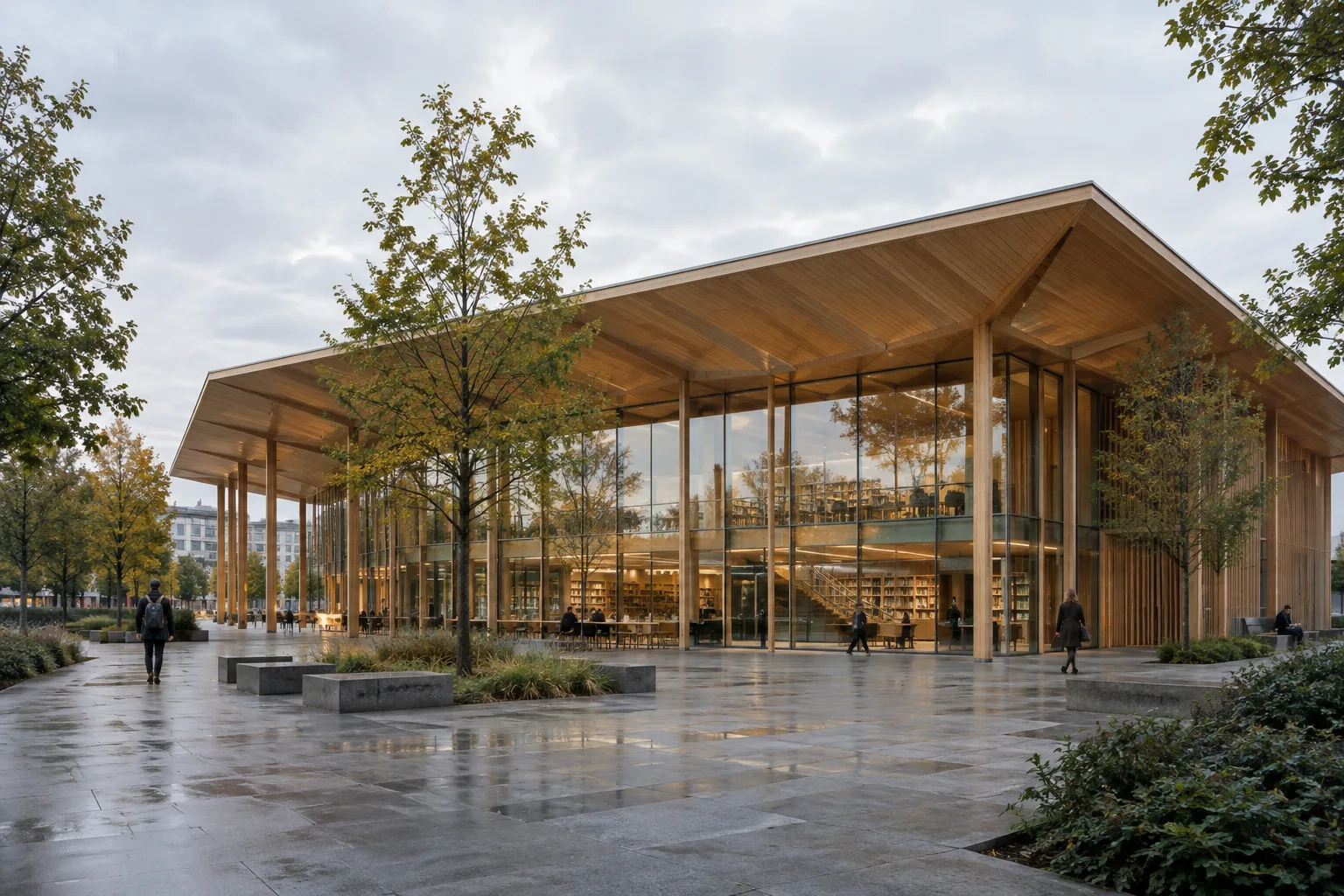 AI image
How to Create Architectural Video Prompts with Gemini Omni Flash and Veo
Gemini Omni Flash and Veo offer different workflows for turning architectural scenes into videos from text and images. This guide explains how to write prompts that describe the subject, scene, camera and movement.
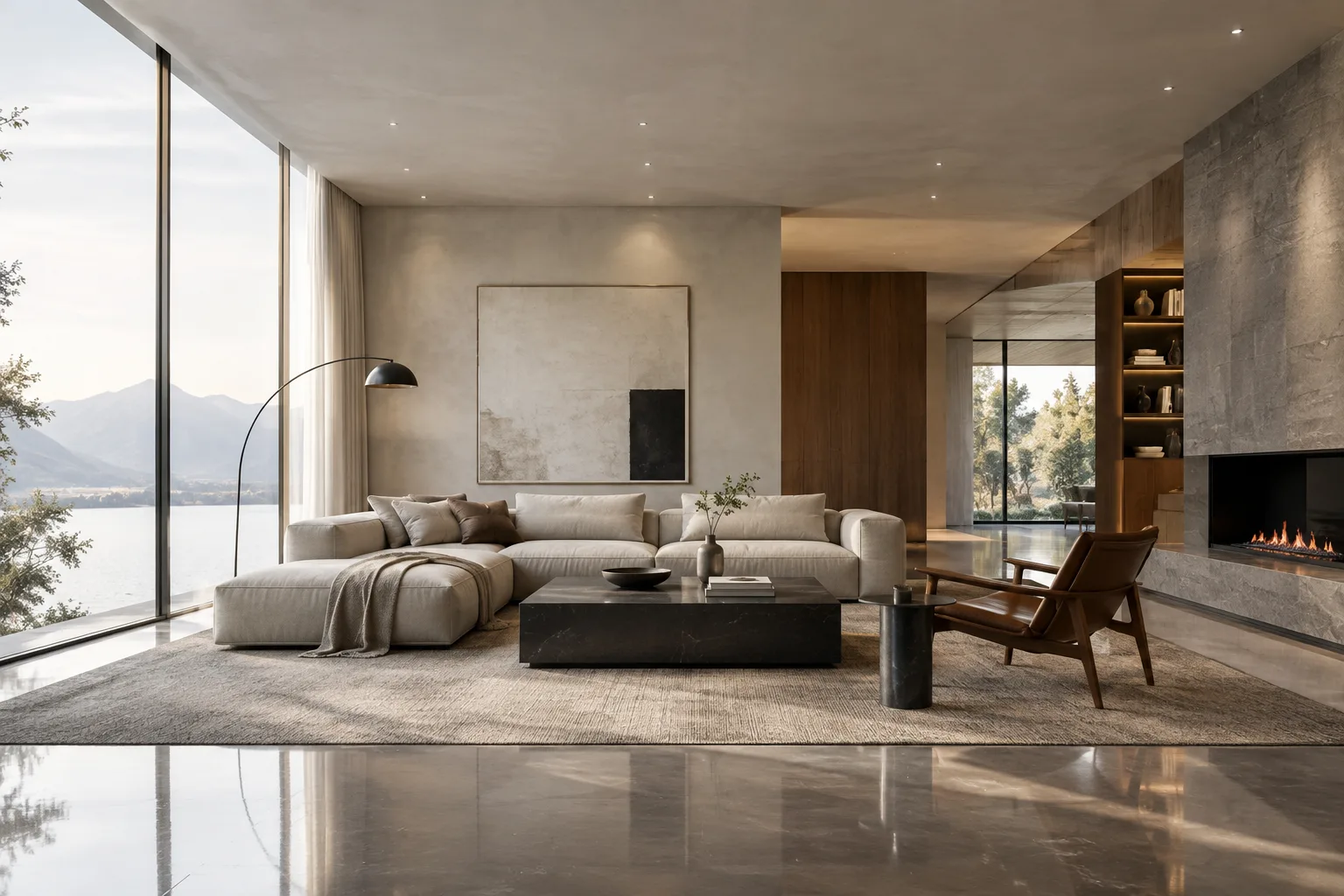 AI image
Interior lighting with Blender Eevee light probes: A practical guide
In Blender Eevee, volume and sphere light probes handle indirect light and reflections in interiors in different ways. This guide covers probe placement, bake settings, and troubleshooting common issues.
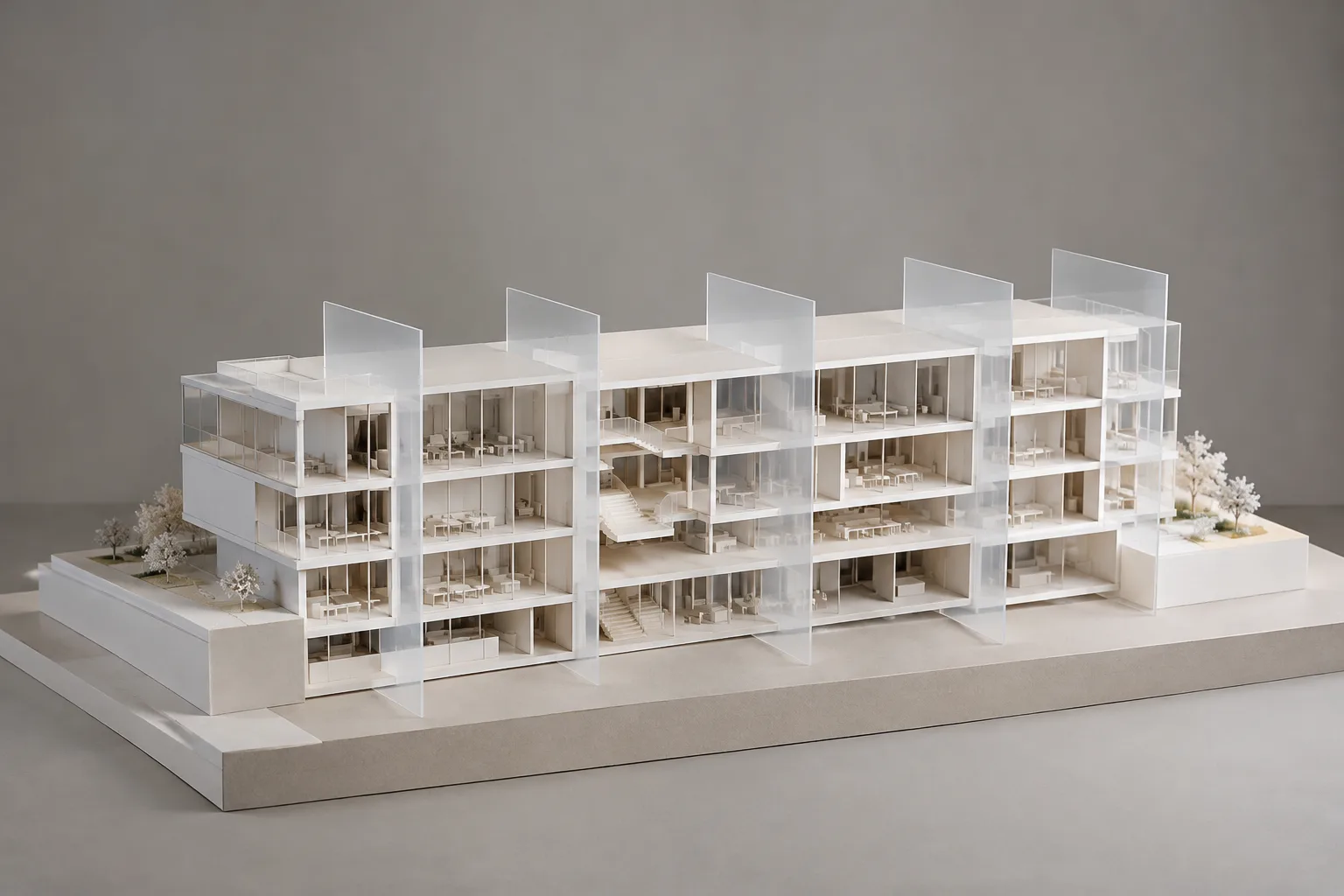 AI image
Rhino 8: Create Contour Curves with Contour and Section
In Rhino 8, Contour creates contours where evenly spaced planes intersect objects, while Section creates intersection curves using a defined plane. This guide explains the steps and output options for both methods.
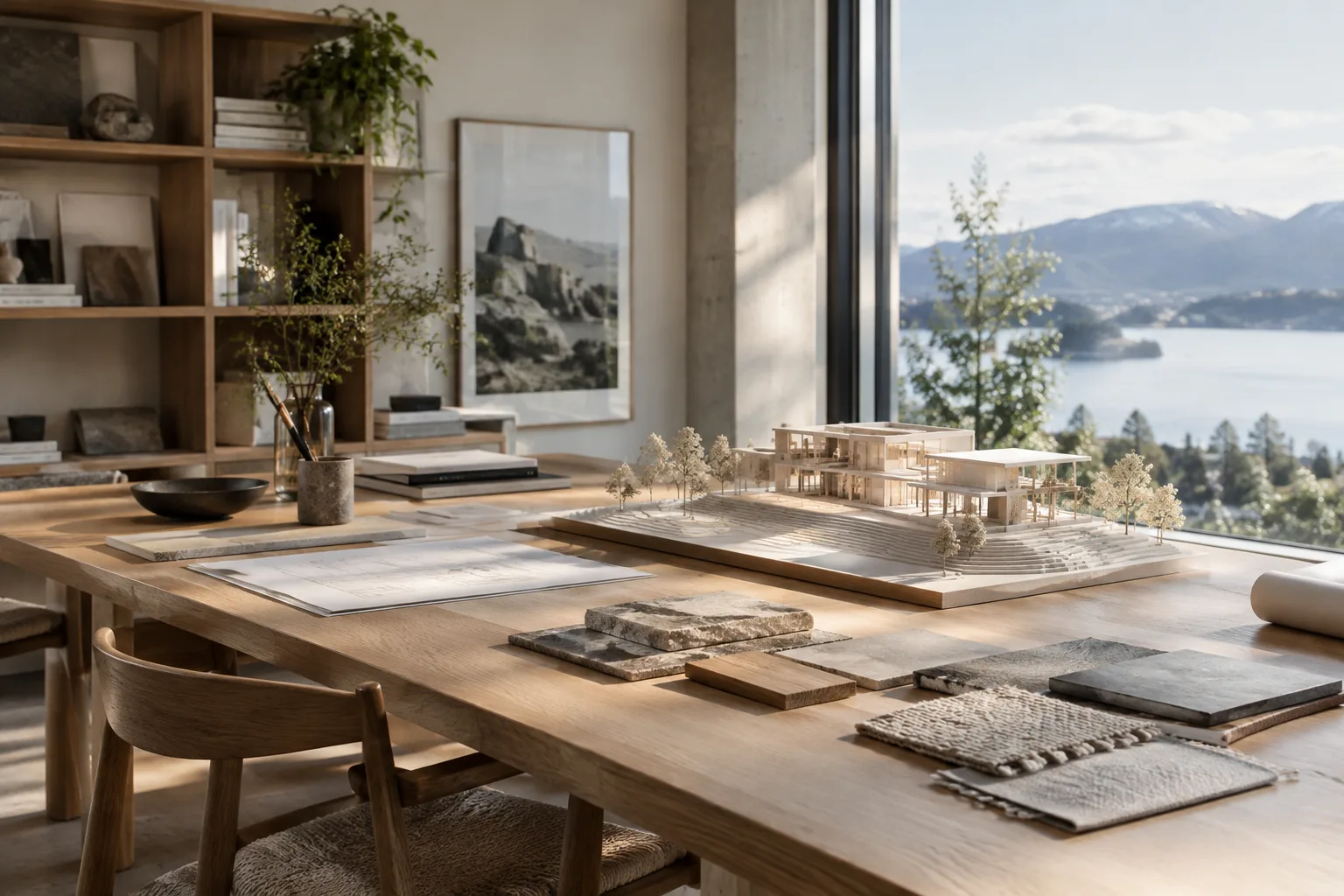 AI image
Architectural Image Generation with Nano Banana 2.1: 5 Prompts and Editing Steps
Nano Banana 2.1 in the Gemini API can generate images from text and edit uploaded images based on instructions. This guide covers prompt examples tailored to architectural visualization workflows and key considerations.
 AI image
Baking Physics Simulations in Blender: Cache and Render Guide
Baking a physics simulation in Blender can speed up playback by caching the calculated result and help ensure consistent results during rendering. This guide covers cache settings and common issues.
 AI image
Setting Up Lumen and Hardware Ray Tracing for Archviz in Unreal Engine
This guide explains how to enable Lumen and configure hardware ray tracing in Unreal Engine. It covers how the settings affect reflection quality, scene compatibility, and GPU costs.
 AI image
Unreal Engine Virtual Shadow Maps: A Guide to Shadow Settings
In Unreal Engine, Virtual Shadow Maps (VSM) are designed to deliver high-resolution shadows, particularly in scenes that use Nanite. This guide explains how to enable VSM, adjust lighting settings, and evaluate common quality and performance issues.
 AI image
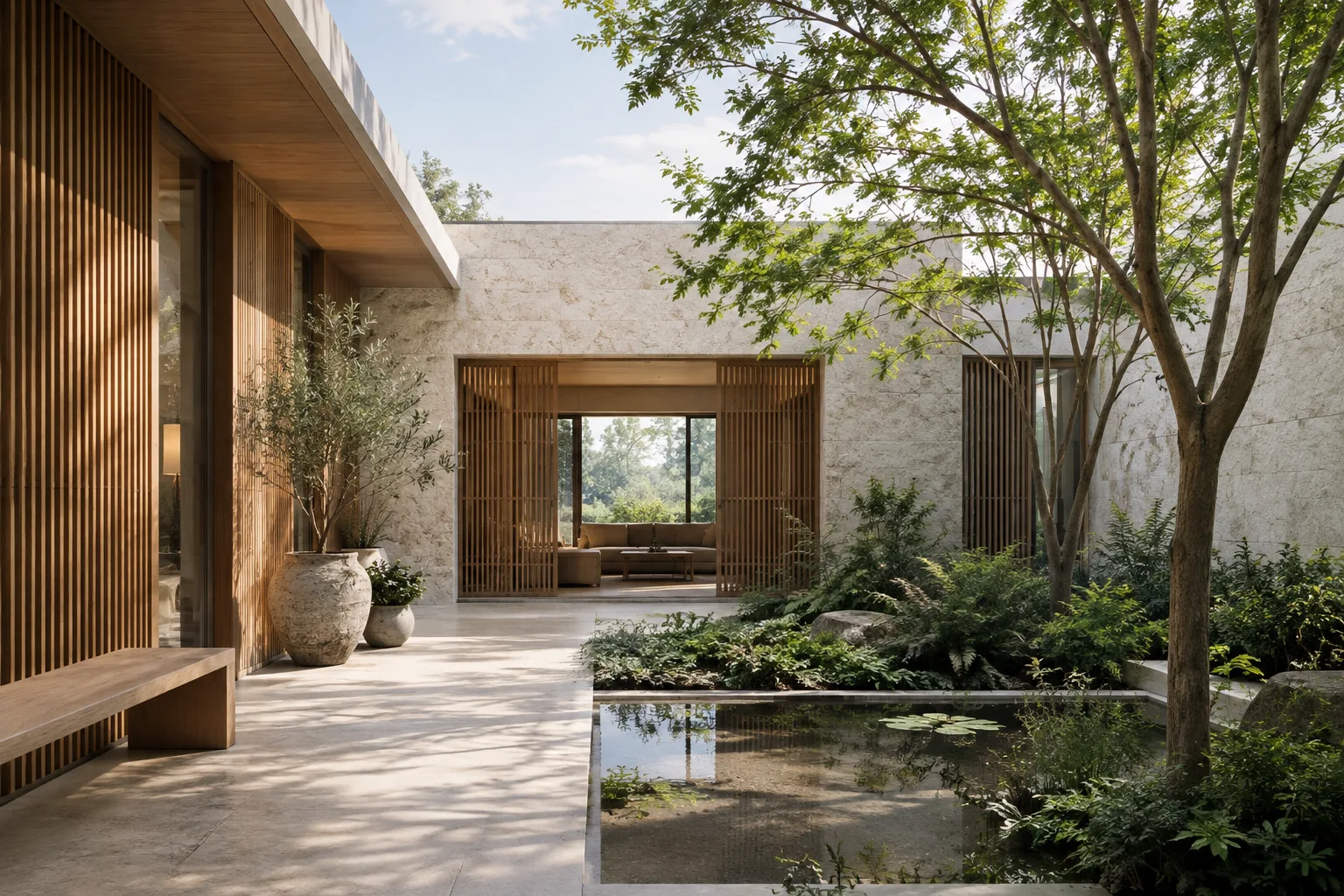
Unreal Engine Path Tracer Guide: Rendering Architectural Scenes
Unreal Engine’s Path Tracer mode uses scene geometry and materials to produce photorealistic renders with hardware ray tracing support. This guide covers the settings needed for architectural visuals and the Movie Render Queue workflow.
 AI image
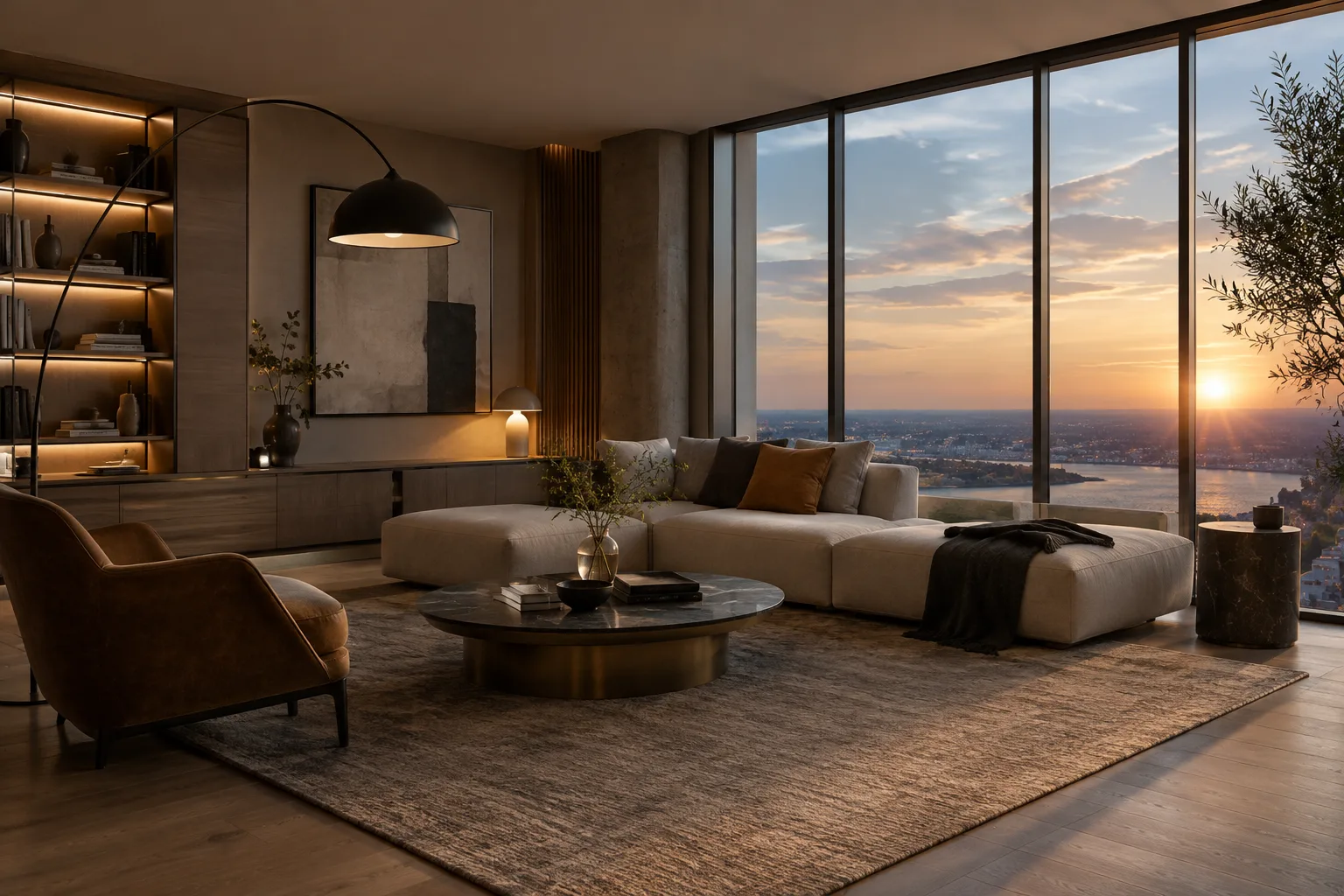
Architectural Image Generation with Nano Banana 2.1: A Step-by-Step Prompt Guide
Nano Banana 2.1 can be used through the Gemini API to generate images from text and edit existing images. This guide explains how to write clear prompts for architectural and interior visuals and refine results in stages.
 AI image
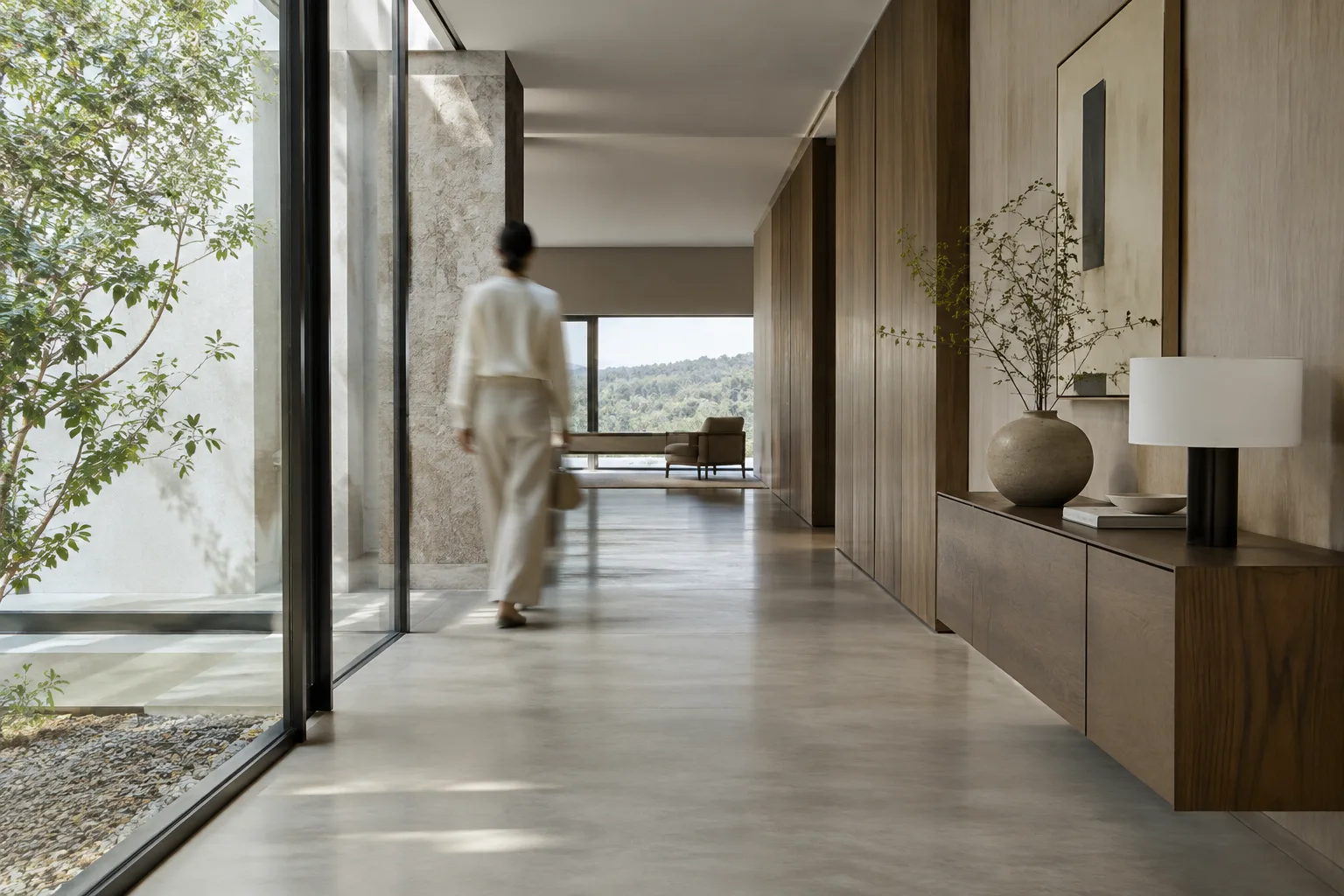
Create Light Glare in Architectural Renders with Blender’s Glare Node
Blender’s Glare Node in the Compositor highlights bright areas in an image with effects such as Bloom, Fog Glow and Sun Beams. This guide explains how to adjust the effect in architectural renders and save the output.
 AI image
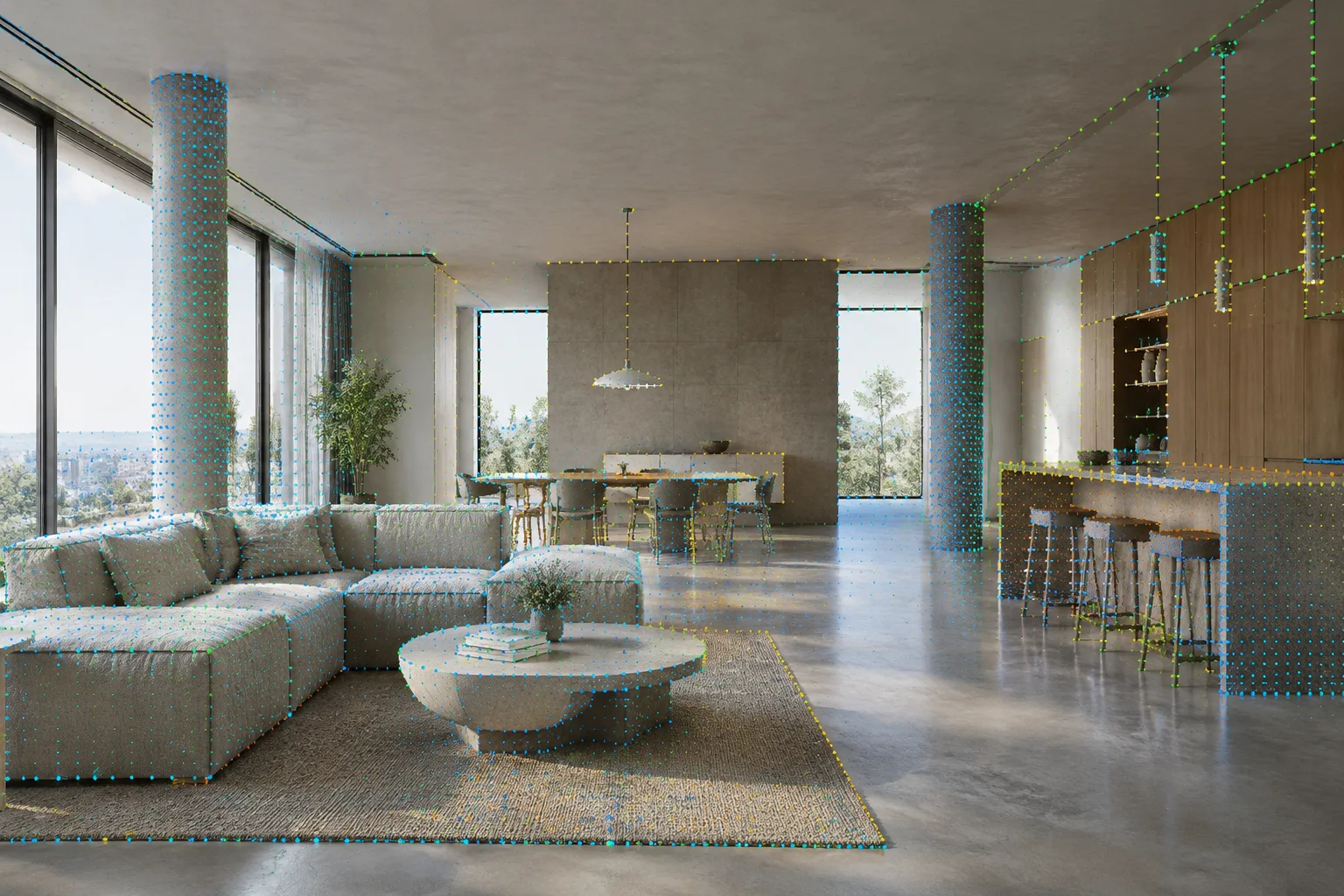
Motion Blur in Blender Cycles: Settings for Architectural Animation
Motion blur in Blender’s Cycles engine can be adjusted using exposure time, shutter position, and rolling shutter options. This guide explains how to test the settings in a controlled way for architectural animation.
 AI image
Importing and Exporting Point Clouds in Blender: A Step-by-Step Guide
The Point Cloud I/O add-on for Blender can import and export E57, PLY, LAS/LAZ, PCD, XYZ and PTS files as native PointCloud objects. This guide covers the workflow from installation to checking your data.
 AI image
Create Object Masks After Rendering with Blender Cryptomatte
Blender’s Cryptomatte node lets you select objects or materials in a render and create masks for them. This guide covers the key steps, from enabling the render pass to using the Matte and Image outputs.
 AI image
Blender Camera Settings: A Step-by-Step Guide for Architectural Visualization
Blender’s camera settings give you control over perspective, framing, focus and depth of field in architectural scenes. This guide walks through key camera choices for interior and exterior visualizations.
 AI image
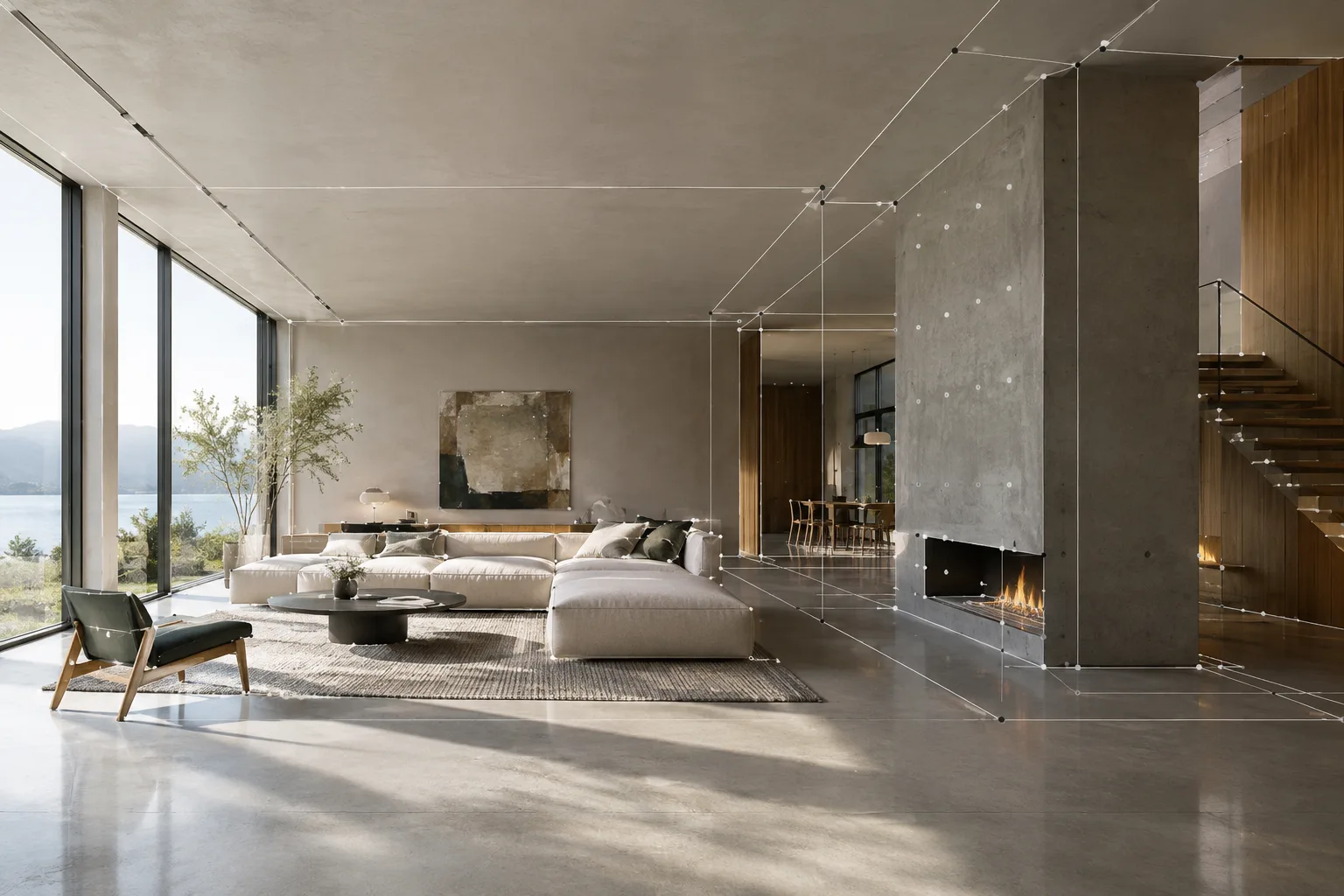
Architectural camera tracking in Blender: from footage to a 3D scene solve
Blender’s motion-tracking tools can solve camera or object movement in architectural footage, helping match 3D elements to the image. This guide covers the basic workflow, from tracking points to solving the scene.
 AI image
Architectural Animation with Veo 3.1: Prompts for Camera, Light and Space
Veo 3.1 can generate 8-second videos with audio through the Gemini API. This guide explains how to structure camera, lighting, space and motion descriptions for architectural scenes, and plan reference images and frame controls.
 AI image
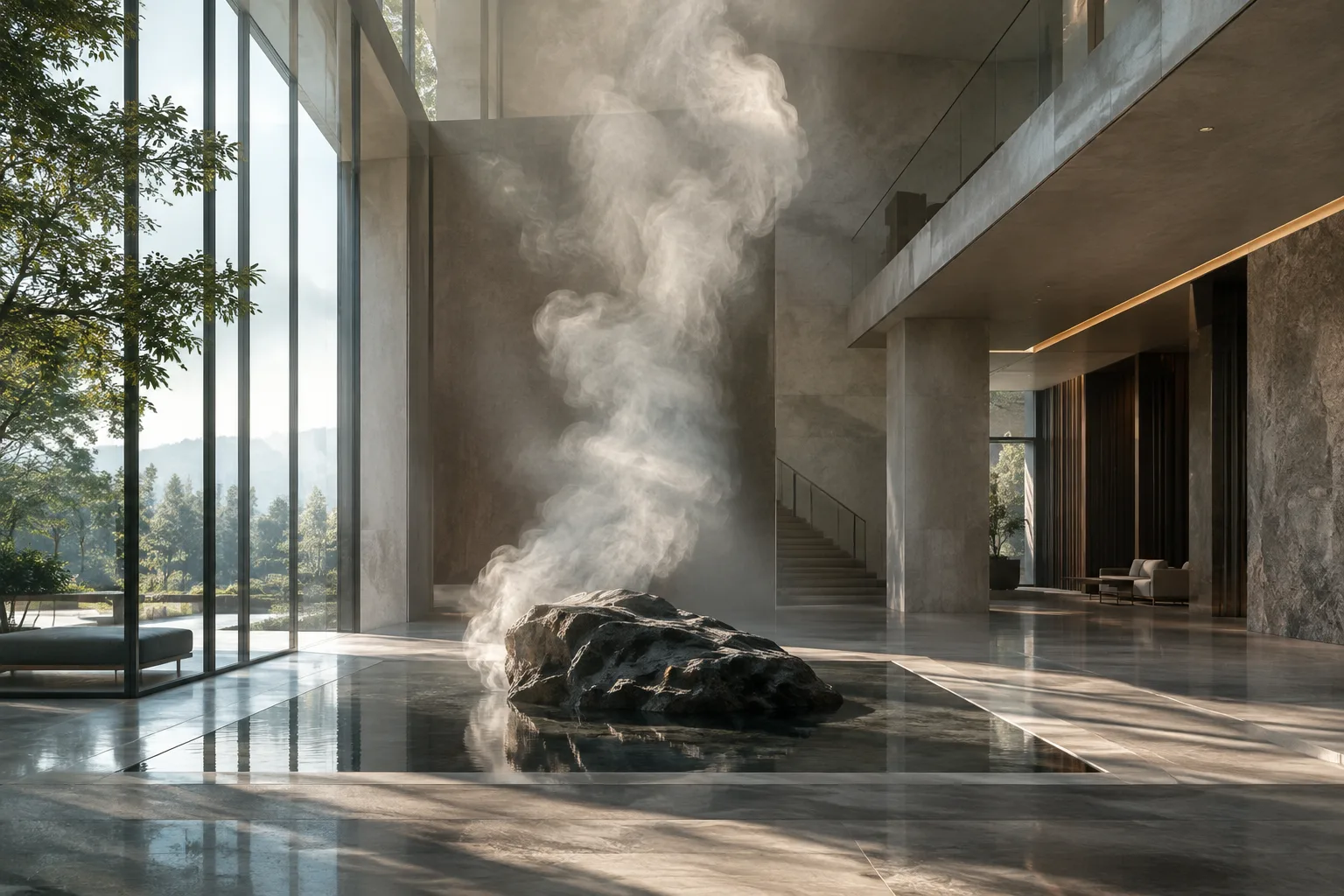
Unreal Engine Niagara Fluids Guide: Getting Started with Smoke and Fire
This guide explains how to get started with smoke, fire, and gas effects using the Niagara Fluids plugin in Unreal Engine. It also covers choosing templates, using flipbooks, and the SVT workflow in Unreal Engine 5.3.
 AI image
How to Use Blender MCP Server: A Beginner’s Guide to Architectural Scenes
Blender MCP Server makes it easier to work with Blender scenes in natural language and access the Python API. This guide covers the required components for Blender 5.1 and later, basic usage, and security risks.
 AI image
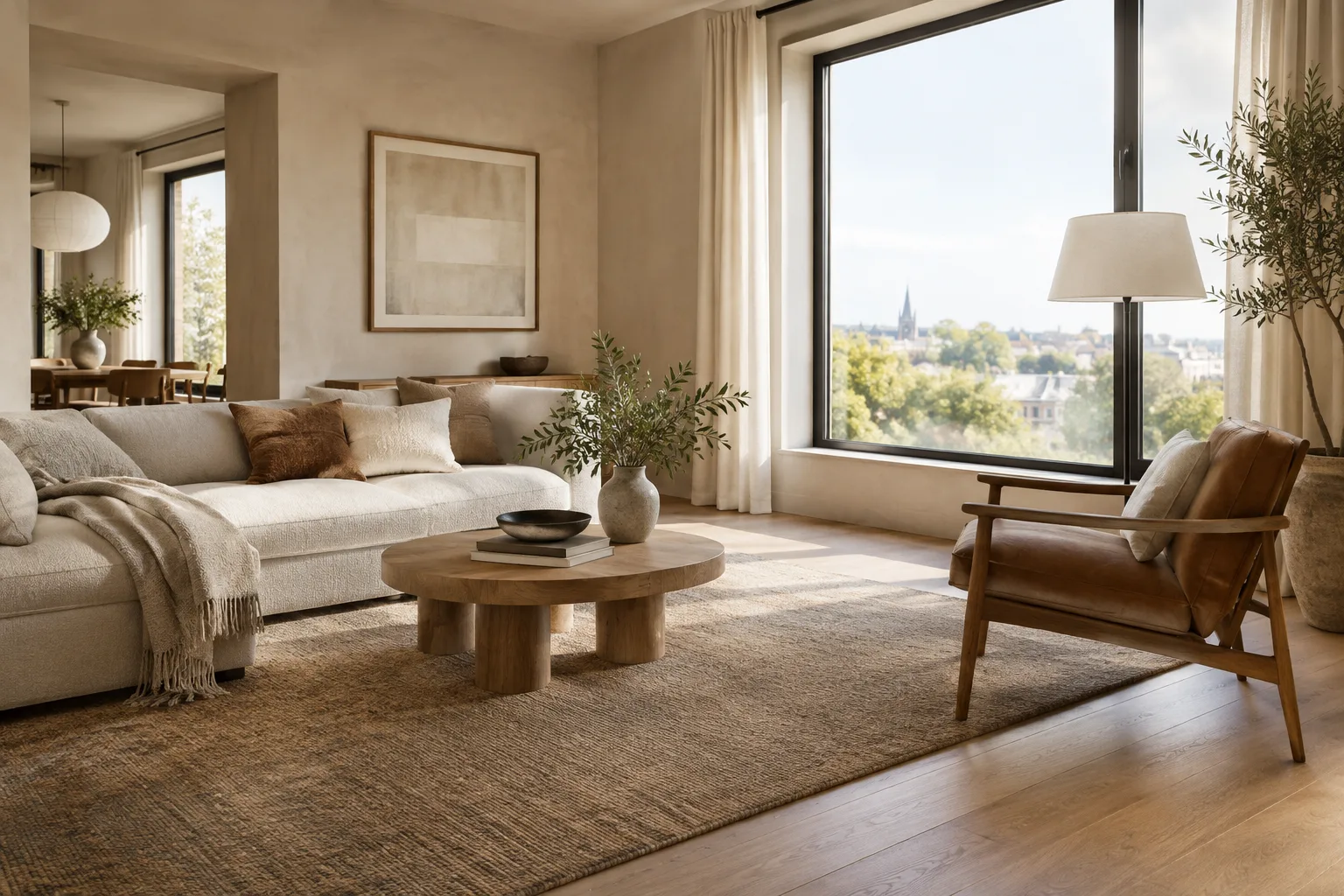
Architectural Image Generation with Nano Banana 2.1: A Step-by-Step Prompt Guide
Google’s Gemini API documentation describes Nano Banana 2.1 as a featured model for image generation and conversational editing. This guide covers prompt writing and editing workflows for architectural concepts and interior visuals.
 AI image
Blender Geometry Nodes Guide: Hair, Buildings, and UV Workflows
Blender Geometry Nodes enables procedural workflows such as interpolating hair curves from guides, processing geometry elements individually, and packing UV islands. This guide covers the basic steps.